
REVIEW · ITALY COFFEE TOURS
The Specialty Coffee Roastery Tasting Experience in Turin
Coffee can tell a whole story. This one-hour visit near central Turin takes you from green beans and fermentation to the finished cup, with a welcome batch brew, a look inside the roasting laboratory, and a tasting of two different filter coffees. I like the hands-on coffee focus and the way the session connects production methods with flavor. I also like that it works for both classic espresso drinkers and fans of lighter, fruitier roasts.
The main drawback is the short length. At $58 per person, you are paying for a focused lesson and tasting rather than a long roastery tour or a meal. The visit is also not suitable for wheelchair users, and you will need to make your own way there.
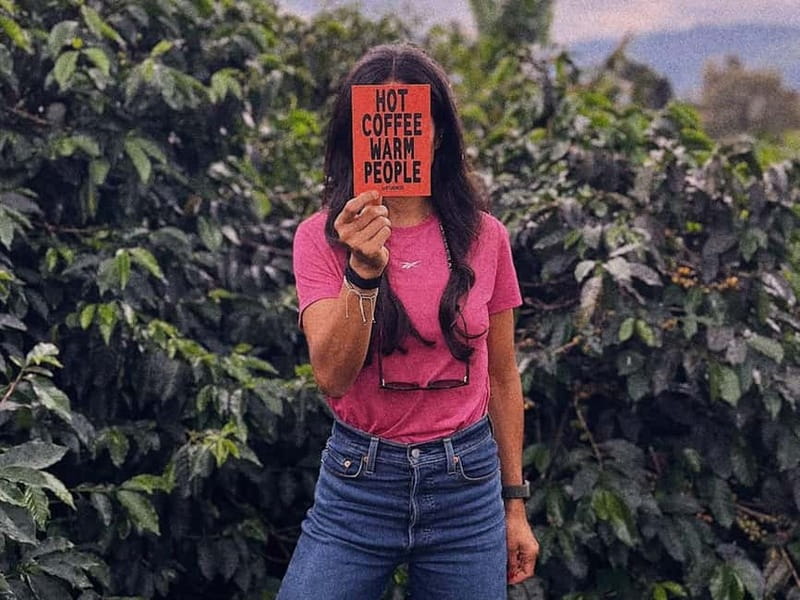
For coffee lovers, this is a smart Turin add-on. The hosts work directly with coffee farmers in Colombia, and their approach challenges the old Italian habit of dark, burnt beans without dismissing traditional coffee tastes. Bring comfortable shoes, avoid smoking before the tasting, and arrive ready to pay attention to small changes in aroma and flavor.
Key points to know before booking
- A short walk from Castello Square: The roastery is about 15 minutes on foot from Turin’s central Castello Square.
- A welcome batch brew starts the session: You get a first taste of freshly brewed filter coffee before the workshop begins.
- Colombian farm relationships shape the lesson: The people behind the roastery personally visit farmers in Colombia and explain cultivation and fermentation from direct experience.
- Two filter coffees make the comparison clear: You taste distinct coffees and consider how variety and processing affect the cup.
- The session suits more than specialty coffee fans: Traditional espresso drinkers and newcomers can both find an entry point.
- The $58 price pays for instruction as much as coffee: You are buying a guided lab visit, production workshop, and tasting, not simply two cups.
Walking from central Turin to the roastery
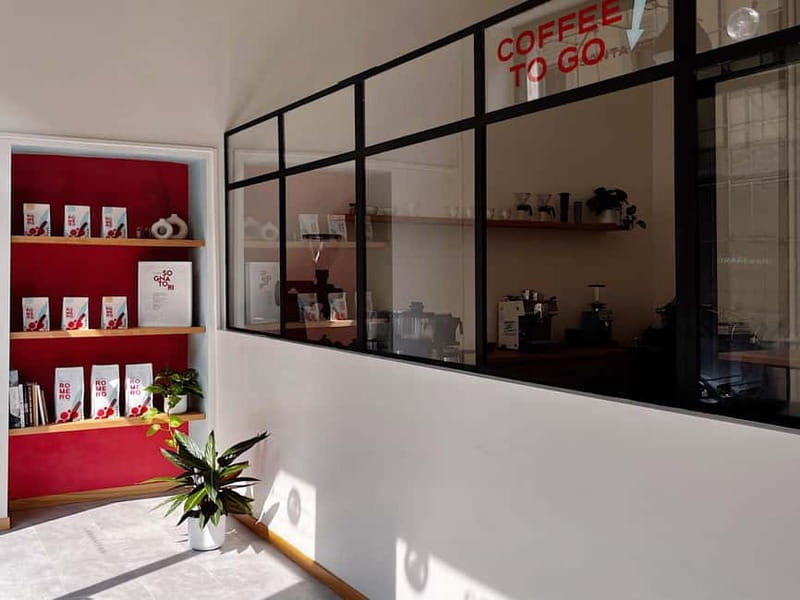
The meeting point is conveniently placed near Turin’s historic center, about 15 minutes on foot from Castello Square. That makes this easy to fit between central sights, though you should allow time to find the roastery and arrive without rushing.
Transportation is not included, so the walk is part of your planning. The location works best for a day spent in central Turin. If you are staying farther out, you will need to arrange your own route.
Comfortable shoes are recommended. This is not a strenuous outing, but you will be visiting a working roasting laboratory rather than sitting at a café table for the full hour.
The setting also helps frame the experience. Turin is known for its café culture and traditional espresso habits, so a modern specialty roastery offers a useful contrast. You can think of this visit as a look at how coffee culture in Italy is changing while still respecting the country’s long affection for espresso.
More Specialty Coffee Tours in Italy:
- Specialty Coffee Workshop & Tasting Experience in Rome
★ 5.0 · 4 reviews - Cartagena: Colombian Specialty Coffee Tasting
★ 4.4 · 130 reviews - Coffee Farm Tour with Roasting & Tasting Workshop – Da Lat
★ 5.0 · 126 reviews
The first cup sets the tone
The session begins with a welcome batch brew, also called filter coffee. This is a good choice for an opening cup because it gives you time to notice aroma, acidity, sweetness, and body without the concentrated punch of espresso.
You do not need to arrive with a trained palate. The guide introduces the coffee in a relaxed way, helping you pay attention to what is in the cup rather than expecting you to name every flavor correctly.
This opening brew also gives you a reference point for the final tasting. By the end of the session, you will have tried coffees prepared in the same general filter style but shaped by different varieties and processing methods.
That comparison matters. Many people think coffee flavor comes mainly from the roast. This workshop shows that the bean’s variety, growing conditions, fermentation, and roasting all play a part before brewing even begins.
Inside the roasting laboratory
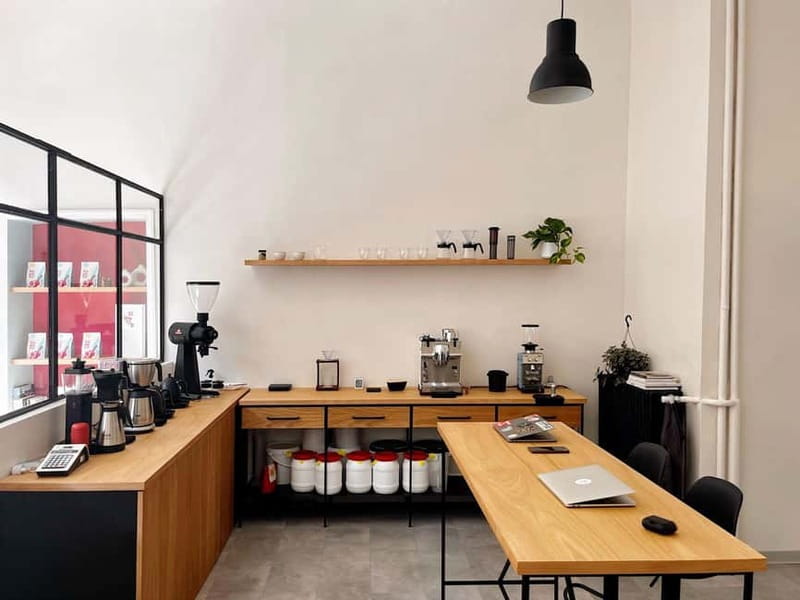
The guided visit takes you into the roastery’s laboratory, where the focus is on how coffee moves from raw green beans to a finished roast. The format is small and direct enough to keep the subject practical rather than turning it into a long lecture.
You learn about the production process, including the role of roasting and the sensory signs used to assess specialty coffee beans. The guide also explains how different roasting choices can bring out different qualities in the same general product.
That is especially useful if you mostly know coffee through Italian espresso. Traditional Italian coffee often favors darker roasting, which can produce heavy, bitter, smoky notes. Specialty coffee frequently aims for more detail, including fruit, floral tones, sweetness, or a brighter finish.
The point is not that one style is automatically better. The point is that you can understand why they taste different. One person in a pair may prefer an espresso with milk, while another may prefer a light roast with crisp acidity. This roastery makes room for both preferences.
The laboratory visit should be interesting to serious coffee drinkers, but it is not limited to them. If you are simply curious about what happens behind the counter, the guided format gives you enough background to follow the process without requiring prior knowledge.
Colombian coffee, cultivation, and fermentation
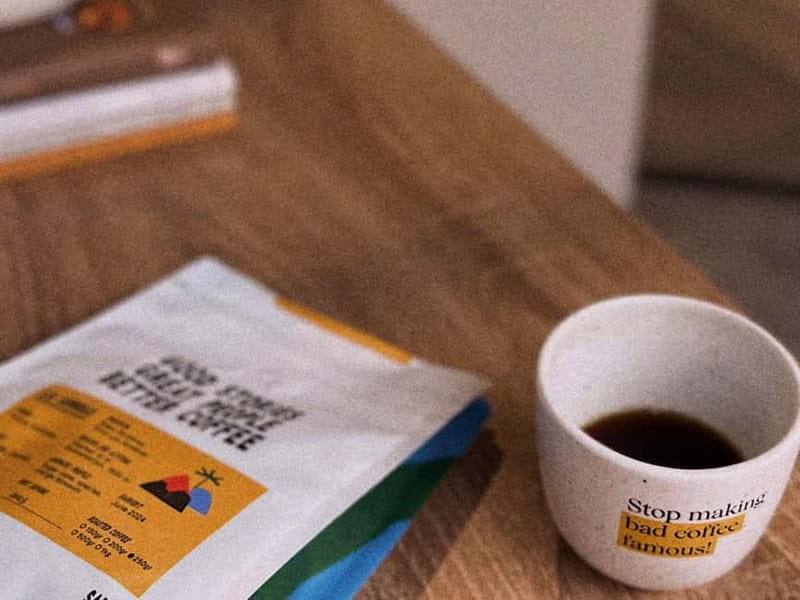
A particularly personal part of the workshop comes from the hosts’ work with Colombian coffee producers. They personally visit farmers in Colombia and build relationships at the source, which gives the conversation a practical connection to the people growing and processing the beans.
You learn about coffee cultivation and the steps that follow harvesting. Fermentation receives special attention because it can alter the coffee’s aroma, sweetness, acidity, and overall character.
This is where the session becomes more than a basic tasting. Instead of simply being told that one coffee tastes fruity and another tastes nutty, you get a reason for those differences. The way coffee cherries are handled after picking can shape what eventually reaches your cup.
The exact teaching style may vary between English and Italian sessions, but the activity is offered in both languages. The hosts’ direct experience in Colombia adds useful context, especially if you want to understand the work and choices behind specialty beans.
I also appreciate the balance here. The workshop does not treat coffee as a luxury product detached from agriculture. It connects the drink in front of you with cultivation, fermentation, sourcing, and the people responsible for the crop.
More Coffee Tastings in Italy:
- Rome: Espresso, Gelato and Tiramisù Tasting Tour
★ 4.9 · 74 reviews - The Best of Polignano a Mare Walking Tour and Special Coffee Tasting
★ 5.0 · 6 reviews - Orvieto: Classic Wine Tasting at Madonna del Latte
★ 5.0 · 3 reviews - Hanoi Coffee Experience: 6 Brews, 9 Recipes & 3 Liquor Tastings
★ 5.0 · 2,945 reviews
Comparing two filter coffees
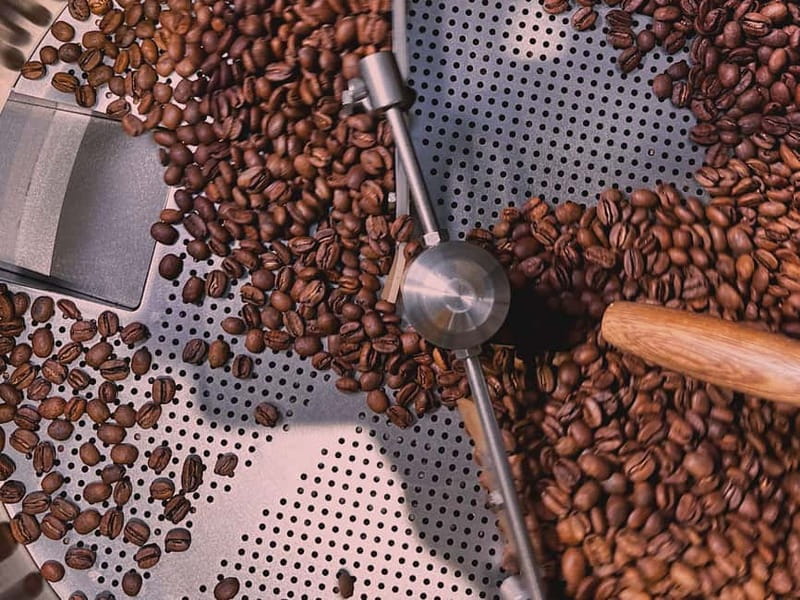
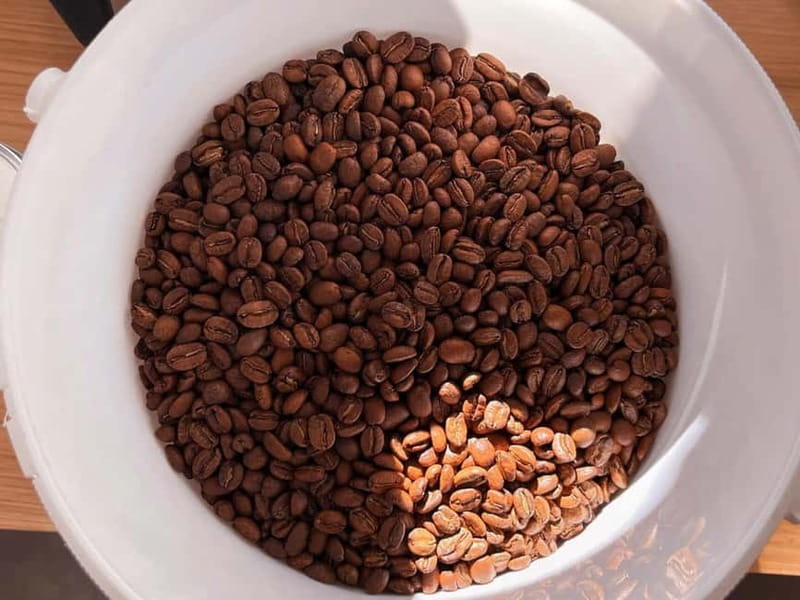
The final tasting compares two distinct filter coffees. This is the most useful part for many people because the differences are placed side by side rather than explained in the abstract.
You taste each coffee and consider its sensory notes. The comparison may focus on differences connected to coffee variety and fermentation method, both of which are included in the lesson. Even if you cannot identify every note, you should be able to notice that the coffees behave differently in the cup.
One may seem brighter or lighter, while another may feel rounder, heavier, or more familiar to someone used to classic Italian coffee. The point is not to choose a winner. It is to build your own sense of preference.
This works well for couples and friends with different coffee habits. A classic espresso and milk drinker can find familiar comfort in fuller flavors, while someone who favors Scandinavian-style light roasts can look for brightness and delicate detail. The people behind the roastery make an effort to address both ends of that range.
The comparison also makes the earlier workshop easier to understand. You have heard about farming, fermentation, varieties, and roasting, and now you can connect those ideas to actual flavors.
Is $58 good value for one hour?
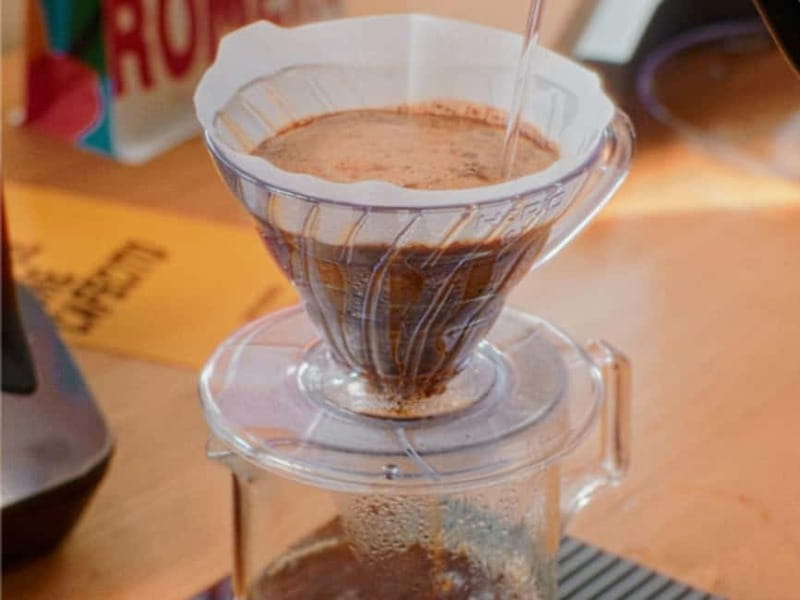
At $58 per person, this is not a cheap coffee stop. You are paying more than you would for a normal café visit, and food is not included.
The value depends on what you want. If you only want a good coffee in Turin, spend less at a café. If you want a guided explanation of production, a visit to the roasting laboratory, a workshop on cultivation and fermentation, and three coffee moments including the welcome brew, the price becomes easier to justify.
The session is also efficient. In one hour, you get a focused introduction without giving up half a day of sightseeing. That makes it practical for a short stay in Turin or for a morning or afternoon between major attractions.
Still, coffee novices should consider how much instruction they want. If you are not especially interested in where coffee comes from or how it is processed, the cost may feel high for a short tasting. Enthusiasts are more likely to feel they received good value, especially because the lesson covers sourcing and fermentation rather than only roast levels.
The direct connection with Colombian farmers is another reason the price may make sense. You are supporting a specialist operation that puts time into sourcing and explaining its work, not just serving a fashionable drink.
Who will enjoy this Turin coffee visit?
I would recommend this activity to several kinds of visitors:
- Coffee enthusiasts who want to understand specialty beans beyond café menus
- People curious about fermentation and processing
- Couples with different coffee preferences
- Visitors who enjoy short, focused workshops
- Anyone looking for a food and drink activity close to central Turin
- Espresso drinkers willing to try a different style
It is less suitable if you want a long tour, a full meal, or a broad walking route through Turin. The hour goes quickly, and the focus stays firmly on coffee.
Families with very young children may also find the workshop less engaging, though no age restriction is provided. Since accessibility is limited for wheelchair users, check your own mobility needs before booking.
You should also take the smoking note seriously. Smoke can dull your sense of smell and taste, and those senses matter here. Avoid smoking before the tasting so you can notice the differences between the coffees.
Languages, timing, and practical planning
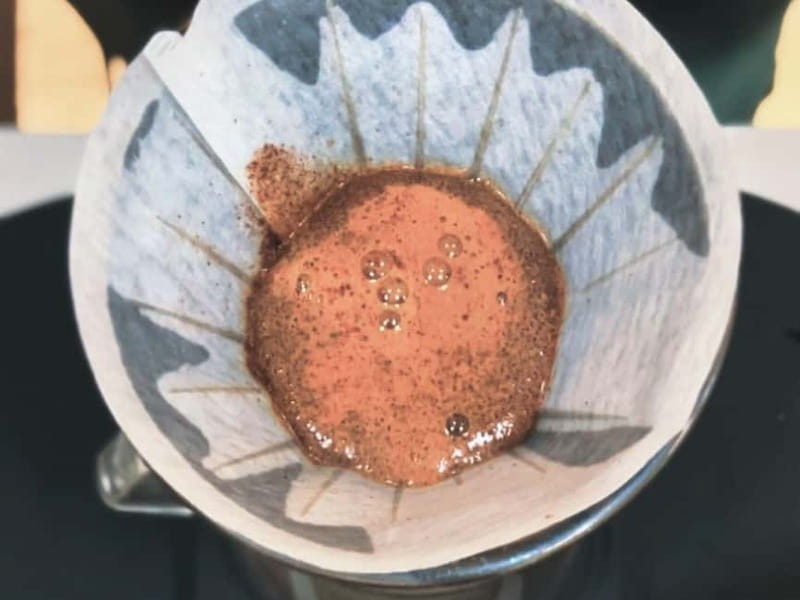
The live guide speaks English and Italian. You should select the language that lets you ask questions comfortably, since the value of the session comes from understanding the explanations as well as tasting.
The duration is one hour, with starting times depending on availability. That makes it easy to schedule, but you should not assume the session can run late if you arrive after the start. A guided tasting works best when everyone begins together.
Food is not included. Have a meal or snack before or after if you need one, but avoid treating the visit as a café brunch. The included drinks are part of the teaching and tasting, not a substitute for lunch.
You can cancel up to 24 hours in advance for a full refund, and you can reserve now and pay later. Those terms are useful if your Turin plans are still shifting, though you should still confirm the available time before arranging other activities around it.
The main strengths and limitations
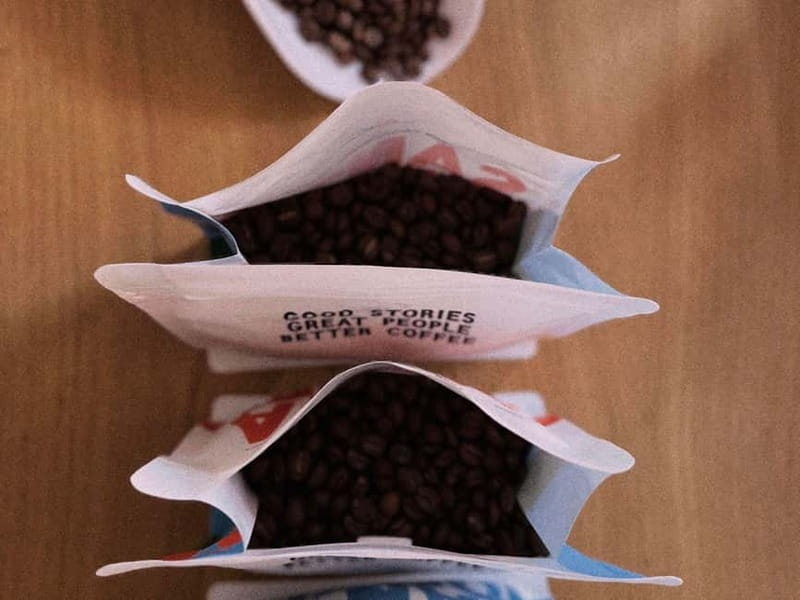
The strongest feature is the personal connection to coffee production. The Colombian sourcing story gives the workshop more substance than a standard tasting built around flavor words alone.
The second strength is the attention to different preferences. This is not a session that insists every good coffee must be a pale roast with sharp acidity. The approach can accommodate classic espresso tastes as well as modern light-roast styles.
The comparative tasting is another clear advantage. Two coffees served for direct comparison teach you more than two unrelated cups ordered at different cafés.
The limitations are simple but important. The visit lasts only one hour, transport is not provided, and food is not part of the price. Wheelchair users should not book this activity based on the information provided, since it is marked as unsuitable for them.
Should you book the Specialty Coffee Roastery Tasting?
Book it if coffee is part of the reason you enjoy travel, not just something you drink to wake up. The $58 price is reasonable for a guided roastery visit, production workshop, and comparative tasting, especially if you value direct sourcing and want to understand fermentation.
I would skip it if you are looking for a general Turin food tour, a substantial meal, or a low-cost coffee break. For everyone else, this is a compact and thoughtful way to see another side of Turin’s coffee culture. It gives you useful knowledge, several cups to compare, and a better sense of why specialty coffee tastes the way it does.
FAQ
Where is the roastery located?
The roastery is close to Turin city center, about 15 minutes away on foot from Castello Square.
How long does the experience last?
The activity lasts one hour.
How much does it cost?
The price is $58 per person.
What languages are available?
The live guide offers the experience in English and Italian.
What coffee is served first?
The session begins with a welcome batch brew, which is a type of filter coffee.
How many coffees are compared during the tasting?
You taste two distinct filter coffees in the comparative tasting.
What does the workshop cover?
The workshop covers coffee production, cultivation, fermentation, coffee varieties, processing methods, roasting, and sensory notes.
Is food included?
No. Food is not included in the experience.
Is transportation included?
No. You are responsible for getting to and from the roastery.
Is the activity suitable for wheelchair users?
No. The experience is listed as not suitable for wheelchair users.
More Food and Drink Tours in Italy
- Rome Pantheon: Award Winning Gelato Tiramisu & Espresso Food Tour
★ 5.0 · 99 reviews - Trastevere Breakfast to Lunch Food Tour: Coffee, Maritozzi & Wine
★ 5.0 · 14 reviews - Rome: Private Espresso, Gelato and Tiramisu Food Tour
★ 5.0 · 3 reviews - Venice Delights: Coffee & Food Experience Walking Tour
★ 5.0 · 2 reviews
Just added around Italy
- Venice Delights: Coffee & Food Experience Walking Tour★ 5.0 · 2 reviews
- Rome: Private Espresso, Gelato and Tiramisu Food Tour★ 5.0 · 3 reviews
- NAPLES Highlights Walking Tour + Veiled Christ Chapel and Original Espresso★ 5.0 · 2 reviews
- Milan Coffee & History Crawl with a Licensed Tour Guide★ 5.0 · 10 reviews
- The Best of Polignano a Mare Walking Tour and Special Coffee Tasting★ 5.0 · 6 reviews
- Sunrise Kayak Tour / Snorkeling and Italian Coffee Included★ 5.0 · 3 reviews
- Venice: Sunrise Walking Tour with Espresso★ 4.6 · 12 reviews
- Specialty Coffee Workshop & Tasting Experience in Rome★ 5.0 · 4 reviews
Italy Coffee Tours, compared.
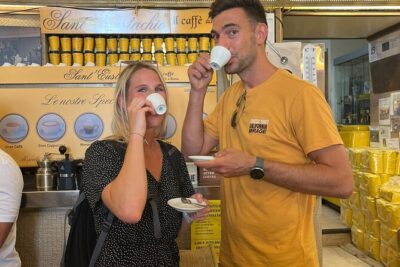
Rome Pantheon: Award Winning Gelato Tiramisu & Espresso Food Tour
Read our review →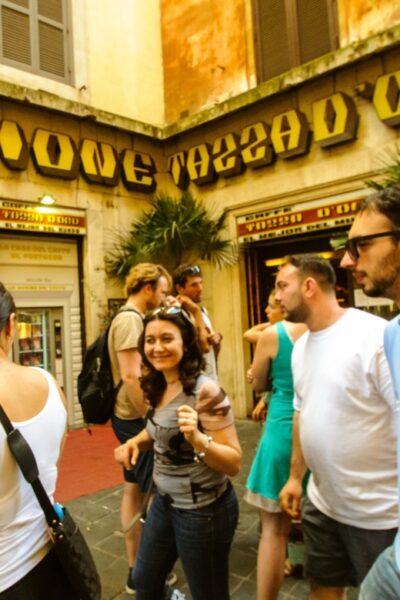
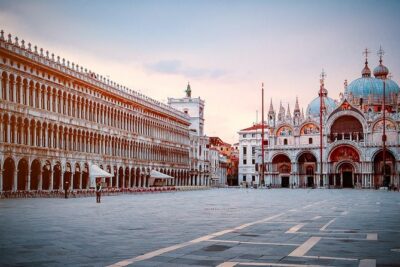
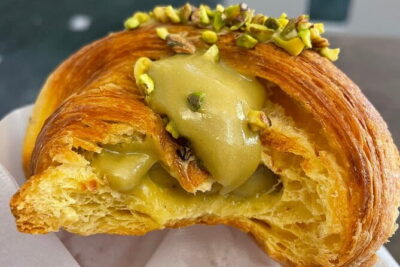
Private Coffee and Sweets Tour Caffé, Chocolate, Gelato & More
Read our review →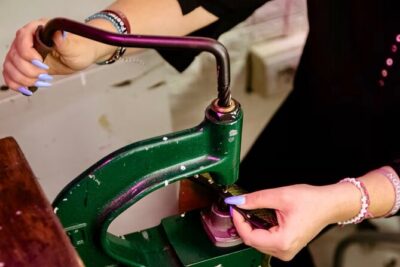
Create your own leather wallet in Florence + coffee
Read our review →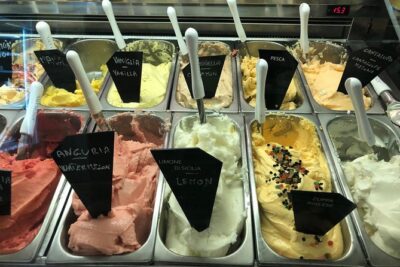
Private Gelato, Pastry and Espresso Walking tour
Read our review →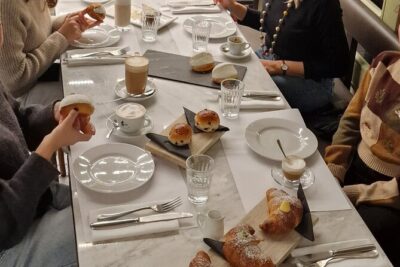
Trastevere Breakfast to Lunch Food Tour: Coffee, Maritozzi & Wine
Read our review →
Browse the lists this tour appears in