
REVIEW · KIGALI COFFEE TOURS
Rwandan Coffee Experience
Coffee tastes better when you work for it. This hands-on day near Muhanga takes you from coffee plant to drinking cup, with village hosts showing you how cherries are picked, washed, dried, roasted, and ground. I especially like the practical farm work and the chance to share a home-cooked Rwandan lunch with the family. The main catch is that transport from Kigali costs extra.
I also like the small-scale setting. This is a private activity for your group, not a large bus tour, and the highly praised guide Bona has helped make the day warm and personal. Plan on five to eight hours, bring a reasonable level of fitness, and remember that uneven ground is part of the deal.
Key points at a glance
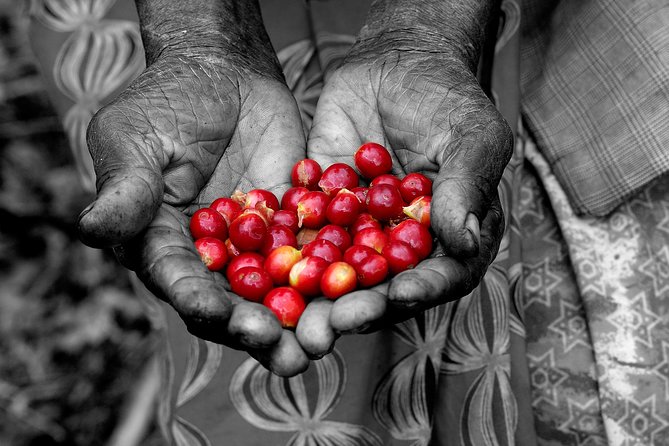
- You handle the entire coffee process: Select ripe cherries, wash and pulp them, dry them, roast the beans, and grind them by hand.
- Lunch is part of the cultural exchange: You eat local Rwandan food that the family would normally prepare, then have time to ask about daily life.
- The village visit includes real chores: You can help fetch water or work in the kitchen with food preparation.
- Bona is one guide to look for: His name appears in especially warm praise for making the day welcoming and personal.
- The price is $90 per person: Lunch, drinks, guides, gratuities, and transport from Muhanga Town to the village are included.
- Kigali transport needs planning: Pickup from Kigali is not included in the standard price, though it can be arranged for an additional charge.
From Kigali to the coffee country near Muhanga
The experience begins at NR1 in Gitarama, also known as Muhanga Town. The day opens with a briefing before the drive out to the village. That transfer matters because it moves you from a city-based start into a rural setting where the coffee work feels connected to family life rather than staged as a quick demonstration.
The standard arrangement includes return transport between Muhanga Town and the village. If you are staying in Kigali, you need to arrange your own way to the meeting point or request a paid transfer. One earlier booking included pickup from an apartment, but I would not assume that is included in the $90 price. Confirm the Kigali transport cost before you pay.
The activity is offered from 8:00 a.m. to 11:00 a.m. according to the published hours, while the full experience is described as lasting about five to eight hours. Since those times do not line up perfectly, ask for the exact start and finish time when booking. A full day is the safest expectation, especially if the drive and village activities run at a relaxed pace.
A few more coffee tours around the world worth a look
- Hanoi Coffee Experience: 6 Brews, 9 Recipes & 3 Liquor Tastings
★ 5.0 · 2,945 reviews - Medellin: Coffee Tour with Transport, Snacks and Tastings
★ 4.7 · 1,357 reviews - Istanbul: Turkish Coffee Making and Fortune Telling Workshop
★ 4.9 · 1,308 reviews
Arriving at Azizi Life Experiences
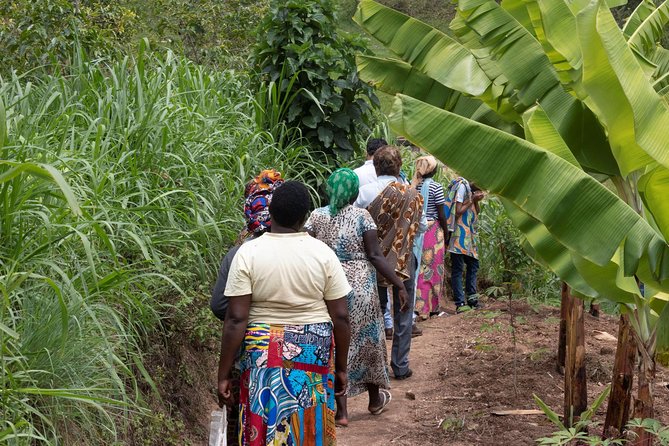
Azizi Life begins with an introduction and a chance to get organized for the village visit. You are welcomed and given suitable clothing before heading into the fields. The change of clothing is a small detail, but it signals that you will be doing actual work, not simply walking past coffee plants for a photo.
The setting is a cooperative-style rural visit, with local women and artisans playing an important role in the day. Before departing, you may have time for coffee and a pastry and to look at items made by local artisans. Purchases at the gift shop are not part of the tour price, so bring this into your budget if you want a handmade keepsake.
The private format is a strong point. Your group does not have to match the pace of a large crowd, and you can ask more questions as the day unfolds. At the same time, a private tour does not mean a private luxury outing. You will be close to ordinary village routines, with practical work, uneven surfaces, and a simple meal.
Picking the right coffee cherries by hand
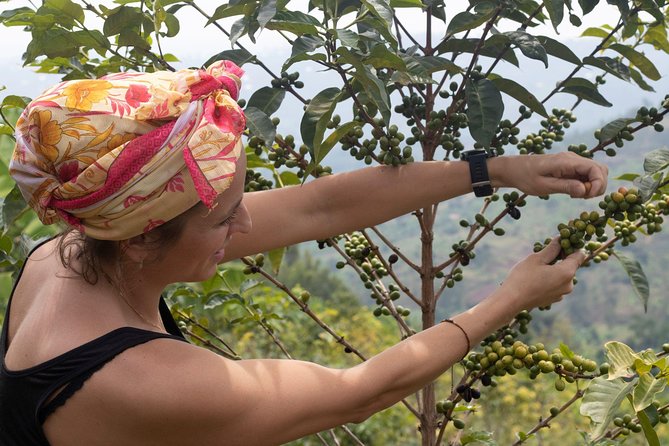
Once you reach the fields, you learn how coffee grows and how to choose suitable cherries. The focus is not just on seeing a coffee plant. You take part in the first decision that affects the final cup: selecting and harvesting the fruit.
This is the most useful part of the experience for anyone who drinks coffee but has never thought about its early stages. You can see how much labor comes before roasting. The work also gives you a better feel for why coffee production supports families and cooperatives in rural Rwanda.
The physical demands are moderate rather than extreme, but you should expect to walk over uneven ground and spend time outside. The experience asks for a moderate level of fitness. Children can attend when accompanied by an adult, and a child rate applies only when the child shares with two paying adults.
The pace may feel slow if you want a quick sightseeing stop. That is also the point. This experience works best when you are willing to spend time on a task that local producers repeat as part of daily work.
Washing and pulping the cherries
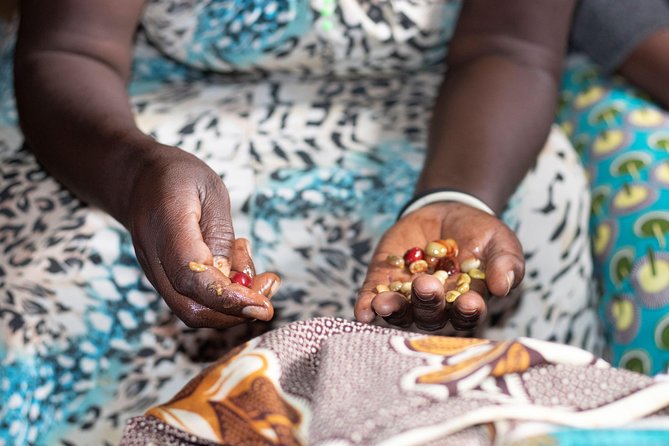
After harvesting, you wash and pulp the coffee cherries. You then leave the prepared coffee out to dry. Handling each stage gives you a clear sense of the process, and the work is simple enough to follow even if you know little about coffee production.
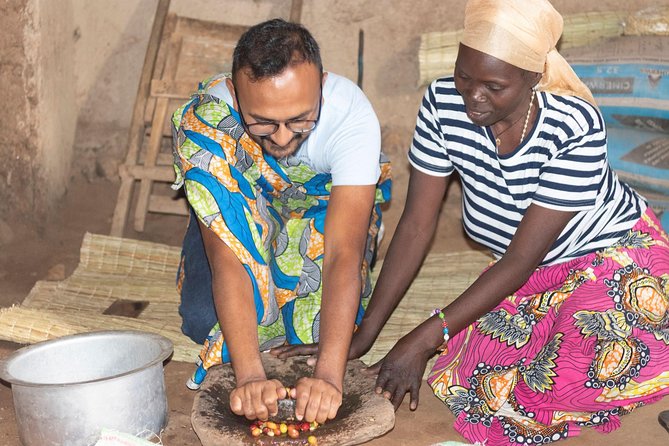
The activity description says the coffee picked, washed, roasted, and ground is handled by your own hand. That creates a satisfying connection between the field and the final drink. You are not only tasting coffee at the end. You have helped prepare it.
Do not expect an industrial processing lesson with machines and technical charts. The value here is direct participation and contact with the people who guide you. If you want a detailed lesson on coffee chemistry or professional cupping, this may feel basic. If you want to understand the work through your hands, it is a better fit.
Same place, a different cup:
- Hanoi Coffee Workshop: Taste Salt, Coconut and Egg Coffee
★ 5.0 · 1,286 reviews - Vienna for Food Lovers: Cafés, Markets & Austrian Cuisine
★ 5.0 · 1,063 reviews - Big Island Highlights: Coffee, Volcano, Black Sands & Waterfall
★ 5.0 · 1,054 reviews - Hanoi: Salt Coffee Workshop Awake Your Senses With 6 Brews
★ 5.0 · 792 reviews
Fetching water or helping in the kitchen
At this point, you have a choice. You can help fetch water, or you can go to the kitchen and assist with food preparation. That choice lets you shape the day around your interests and comfort.
Fetching water connects the coffee work with an everyday task that is easy to overlook from a city hotel. Helping in the kitchen gives you more time with the family and a closer look at how lunch comes together. Neither option is presented as a performance for visitors. You are joining a routine task for a short time.
This is also where the day moves beyond coffee. You begin to see how food, water, work, and family life fit together in the community. I would choose the option that feels less familiar to you. If you have spent time in rural settings before, the kitchen may offer more conversation. If you enjoy physical activity, fetching water may give you a stronger sense of the workday.
A local Rwandan lunch with time for questions
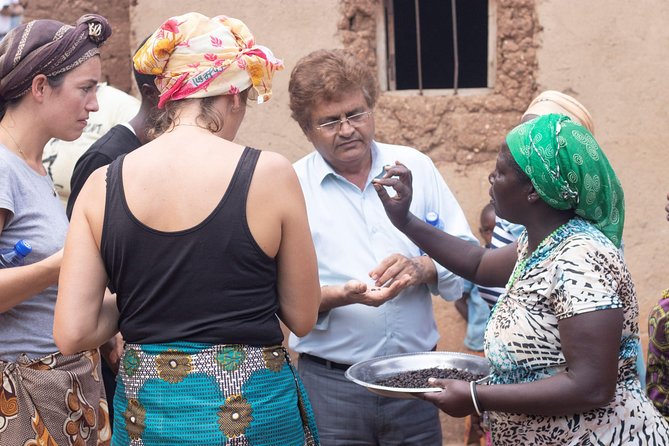
Lunch is local Rwandan food that the family would normally eat. That detail matters. You are not being served a separate menu designed only for foreign visitors. The meal is a chance to sit down with your hosts and ask about life in the community.
The lunch is included in the $90 price, along with bottled water, coffee or tea, gratuities, a local guide, and a tour host. Since no specific dishes are listed, ask about dietary needs when booking rather than expecting substitutions to be automatic.
The meal is one of the day’s most meaningful pauses. You have already worked together, so conversation can feel more natural than it would during a formal question-and-answer session. The hosts can explain what life is like in their community, and you can ask questions at your own pace.
If you prefer a polished restaurant meal, this will not be that. The appeal is the family setting and ordinary food. For me, that makes it more valuable than adding another restaurant stop in Kigali.
Roasting and grinding the dried coffee
After lunch, the dried coffee is roasted by hand. You then grind it yourself before drinking the finished coffee or tea. This final stage gives the day a clear payoff, but the bigger reward is understanding the amount of work packed into a single cup.
Hand roasting is slower and less controlled than commercial production. You should expect an informal demonstration and hands-on activity rather than a professional coffee workshop. The experience does not promise a formal tasting lesson, barista training, or advanced brewing class.
Still, the sequence works well. You start with the plant, help prepare the cherries, wait through the drying stage, and then finish with roasting and grinding. The cup at the end has meaning because you have followed the process from beginning to finish.
Coffee and tea are included. The description focuses on coffee, so coffee drinkers will get the most from the activity, while tea provides an option for anyone who does not want coffee.
What the $90 price really covers
At $90 per person, this is more expensive than a simple coffee tasting, but it includes far more than a drink and a short talk. You receive lunch, bottled water, coffee or tea, a local guide, a tour host, gratuities, and return transport from Muhanga Town to the village.
The private format also adds value. Your group gets the guide’s attention, and you are not sharing the village visit with a large tour party. The chance to take part in household work and speak with the hosts makes the price easier to justify for anyone seeking a personal cultural activity.
The weak point is the missing Kigali transfer. Many people visiting Rwanda base themselves in Kigali, so the extra cost and planning can affect the real total. Group discounts are available, which can improve the value for a larger party, but the minimum booking is two people.
I would compare the total price with the cost of transport to Muhanga before booking. If you already plan to visit Muhanga or can split the transfer with companions, the experience becomes a stronger deal. If you need a private round-trip vehicle from Kigali as well, budget beyond the advertised $90.
Who will enjoy this day most
I would recommend the experience to you if you:
- Want a hands-on cultural activity rather than a short city tour
- Drink coffee and want to understand how it is produced
- Enjoy meeting local families in a small group
- Are comfortable with basic physical work and uneven ground
- Value a home-cooked meal and conversation
- Have enough time for a five to eight-hour outing
It may not suit you if you want a tightly timed half-day, a luxury meal, or a technical coffee course. It is also less suitable if you have trouble walking on uneven surfaces or do not enjoy outdoor chores.
Families can attend, but children must be with an adult. The child rate has a specific condition: it applies only when the child shares with two paying adults. Check the booking terms carefully if you are arranging a family visit.
Booking advice and practical expectations
This activity is often reserved about 92 days ahead, so I would not leave it until the last moment, especially if your Rwanda schedule is fixed. Confirmation is provided at booking, and free cancellation is available if you cancel at least 24 hours before the start time. Changes or cancellations inside that window are not refunded.
Wear clothes that can handle field work and possible kitchen tasks. The provider supplies appropriate attire for the village, but you should still expect a practical day rather than a dress-up excursion. Comfortable shoes are sensible because the ground can be uneven.
Keep your schedule flexible. The published duration is five to eight hours, and the timing can vary with transport, harvesting, lunch, and the pace of your group. Ask for the precise meeting instructions, the estimated finish time, and the extra Kigali transport cost before departure.
The day is private, but it is not isolated from local life. You are visiting a family and community through their work, food, and routines. Bring curiosity and patience. A few thoughtful questions will do more for the experience than a packed sightseeing checklist.
Should you book the Rwandan Coffee Experience?
Book it if you want coffee to be the doorway into rural Rwandan life. The strongest parts are the complete hands-on process, the local lunch, and the time spent with hosts rather than being moved quickly from one photo stop to another.
I would be more cautious if your schedule is tight or if you assume Kigali transport is included. Confirm the timing and transfer cost first. For two or more people who can share transport and enjoy simple physical work, this is a personal, well-rounded day with good value at $90.
FAQ
Where does the Rwandan Coffee Experience begin?
It begins at NR1 in Gitarama, Rwanda, also known as Muhanga Town.
How long does the experience last?
The activity takes approximately five to eight hours.
Is transportation from Kigali included?
No. Transportation from Kigali is not included in the stated price, but it can be arranged on request for an additional charge.
What transportation is included?
Return transport from Muhanga Town to the village is included.
Is lunch included?
Yes. Lunch is local Rwandan food that the family would normally eat.
Is this a private tour?
Yes. Only your group participates in the activity.
How many people are required to book?
A minimum of two people per booking is required.
Can children participate?
Yes. Children must be accompanied by an adult, and the child rate applies only when sharing with two paying adults.
Just added around the world
- Vietnamese Coffee Making Class in Hoi An★ 5.0 · 4 reviews
- Yerevan: Private Coffee Tour with 2 Café Stops★ 5.0 · 2 reviews
- Vietnamese Coffee 101 Workshop★ 5.0 · 11 reviews
- Venice Delights: Coffee & Food Experience Walking Tour★ 5.0 · 2 reviews
- Ubud: Waterfall, Holy Water Temple,Swing&coffee plantation★ 5.0 · 9 reviews
- Vancouver: Street Art & Craft Coffee Walking Tour w/ Tasting★ 4.8 · 11 reviews
- Vienna: Guided Viennese Coffee-House Tour★ 5.0 · 2 reviews
- Coffee pleasure walking tour★ 5.0 · 12 reviews
Kigali Coffee Tours, compared.


Local Community Tour(Cultural, Coffee,Village walk,Local food)
Read our review →
1-Day Lake Kivu Karongi Boat Cruise & Coffee farming with Lunch
Read our review →Browse the lists this tour appears in