
REVIEW · JAPAN COFFEE TOURS
Tokyo’s Neighborhood Digs: Coffee, Records & Vintage Vibes
Tokyo has more than neon and temples. This four-hour outing connects Shimokitazawa, Kichijoji, Koenji, and Nakano, giving you a close look at the city’s independent fashion, coffee, music, and pop-culture scenes. I like the mix of shopping and social history, and I like that public transport and coffee are included. The main drawback is the brisk pace: four neighborhoods in four hours means you will see highlights rather than explore any one district at length.
The tour also benefits from a personal guide. Ryuhki has been praised for warm service, insider suggestions, and a willingness to adjust the route, while Hiro is known for being personable and helpful with shopping and food ideas. You should expect plenty of walking, crowded commercial streets, and little time to browse every store.
Key reasons this Tokyo neighborhood tour works
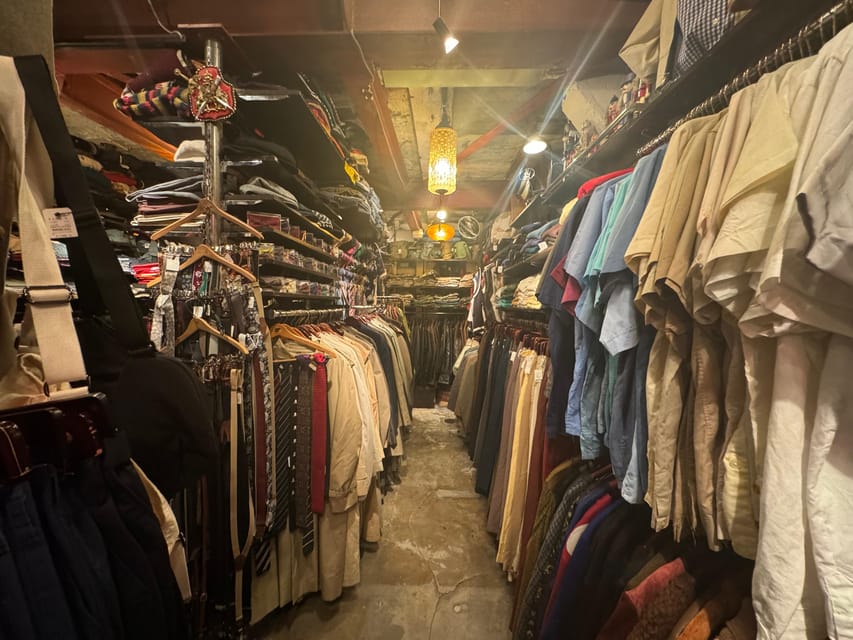
- Four districts, four different moods: Move from Shimokitazawa vintage shops to Kichijoji coffee, Koenji indie style, and Nakano’s anime and camera stores.
- Useful cultural context: The guide explains post-war change, the economic bubble era, shifting social norms, and the growth of Japanese pop culture.
- Coffee is included: A locally roasted cup in Kichijoji gives the tour a welcome pause between shopping stops.
- Good for niche interests: Fashion hunters, record fans, anime collectors, and curious first-time Tokyo visitors all get something specific to enjoy.
- Small-group flexibility: Private and small-group formats make it easier to ask questions or request changes.
- A practical four-hour format: Transit is included, so you can cover several districts without having to work out every train connection yourself.
Starting at Shimokitazawa Station
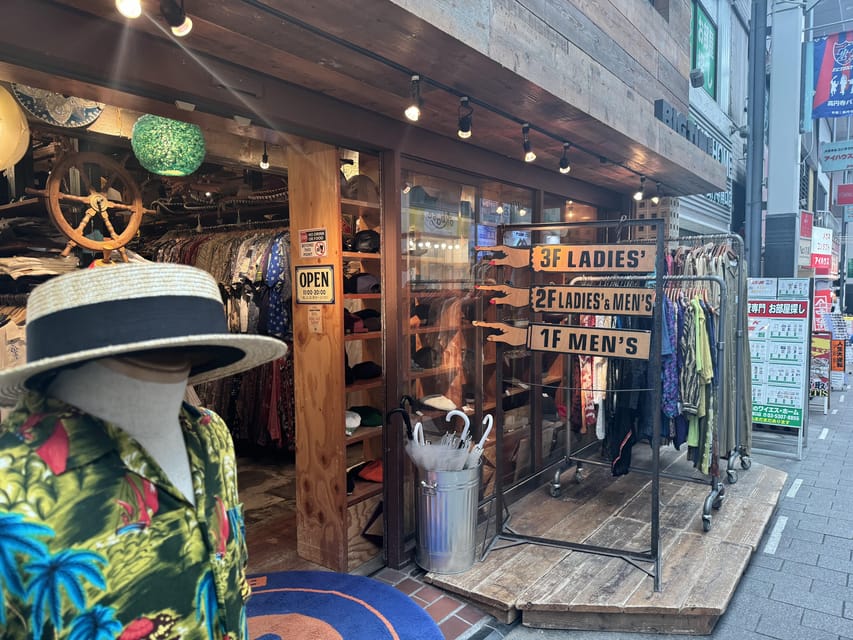
Meet at the Odakyu Line East Exit of Shimokitazawa Station. This is a useful starting point because the district quickly shows you a side of Tokyo that feels far removed from the giant department stores and polished shopping avenues.
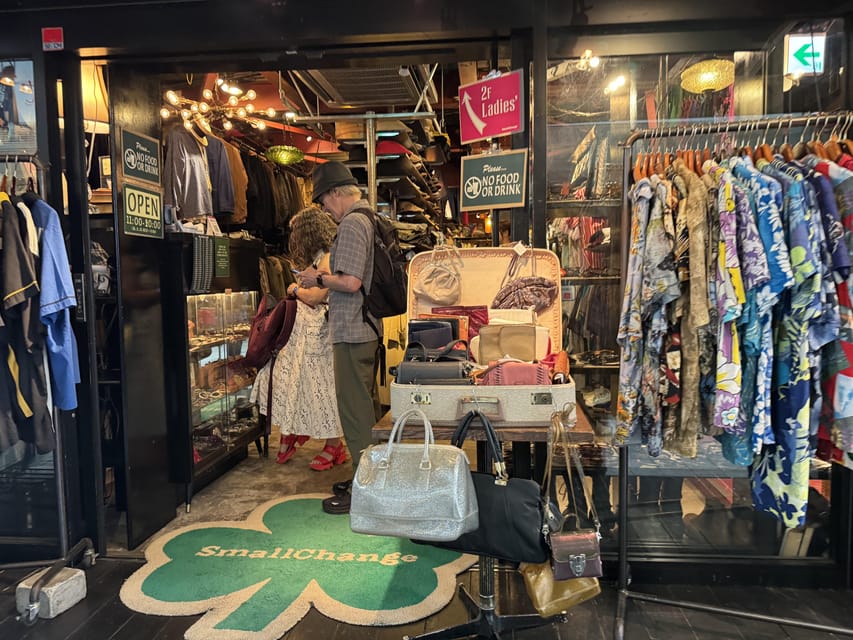
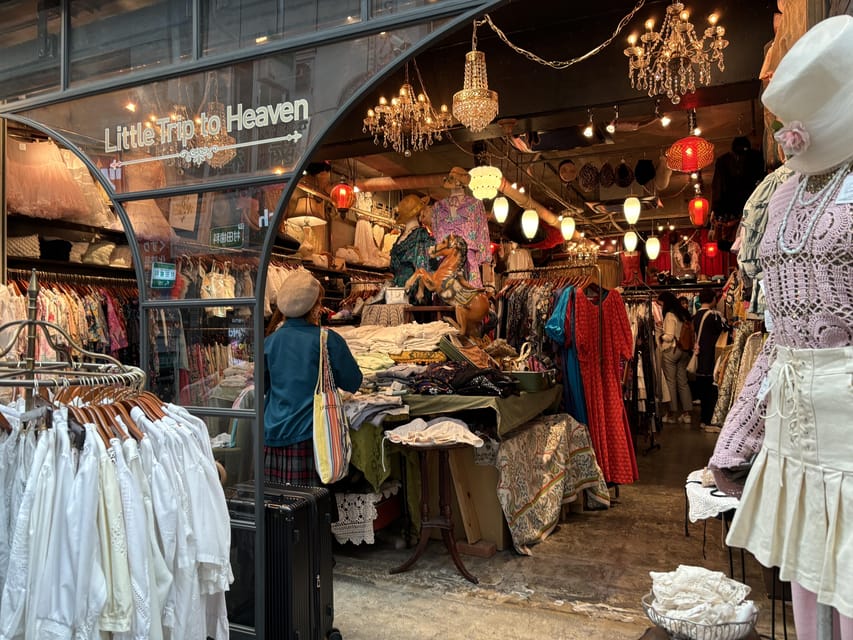
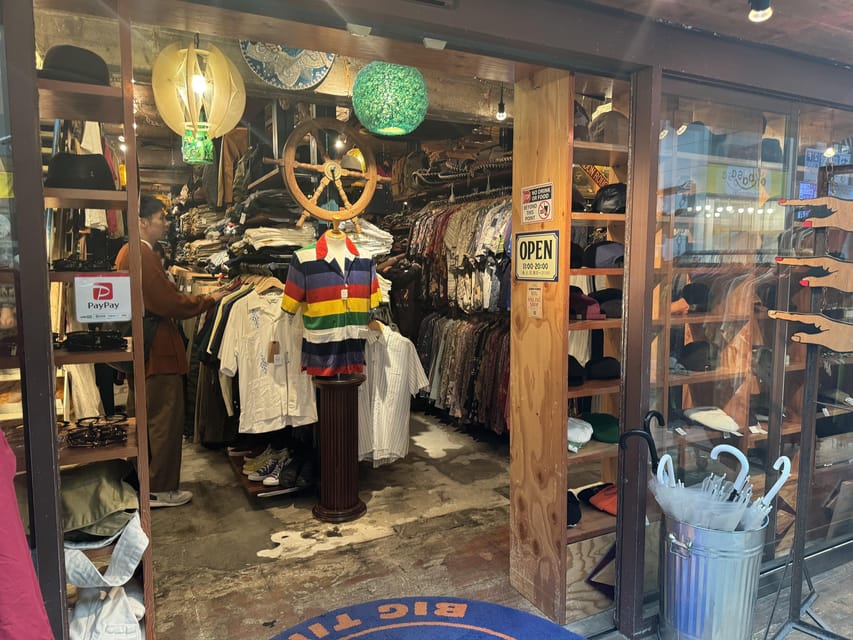
Shimokitazawa is associated with young artists, independent shops, music, and secondhand clothing. The tour allows about an hour here, combining a guided walk with shopping and sightseeing. You can look for Japanese vintage clothing, records, and other small finds while hearing how the district changed after the war and became a center for independent artists.
I like this opening because it gets you into Tokyo’s local rhythm right away. Instead of beginning with a major landmark, you start among narrow streets and small businesses. The area is well suited to people who enjoy browsing without a fixed shopping list. You might find an unusual jacket, an old record, or a shop you would never have located on your own.
The limit is time. Shimokitazawa rewards slow wandering, but the schedule allows only one hour before the group moves on. If you are serious about vintage clothing or records, note the names of shops you like and return later on your own. The tour is best used as an introduction and orientation, not as a full shopping expedition.
The guide’s stories also add value. A vintage shop means more when you understand how a former residential and artistic district developed into one of Tokyo’s best-known subculture centers. You are not simply being pointed toward racks of clothing. You are being shown how the neighborhood’s identity took shape.
A few more coffee tours around the world worth a look
- Hanoi Coffee Experience: 6 Brews, 9 Recipes & 3 Liquor Tastings
★ 5.0 · 2,945 reviews - Medellin: Coffee Tour with Transport, Snacks and Tastings
★ 4.7 · 1,357 reviews - Istanbul: Turkish Coffee Making and Fortune Telling Workshop
★ 4.9 · 1,308 reviews
Kichijoji coffee and the quieter side of Tokyo
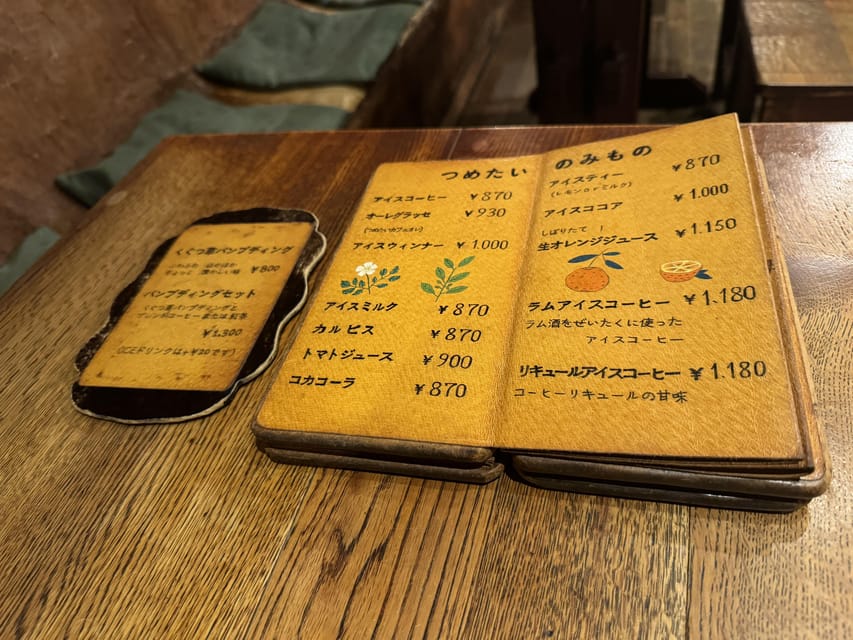
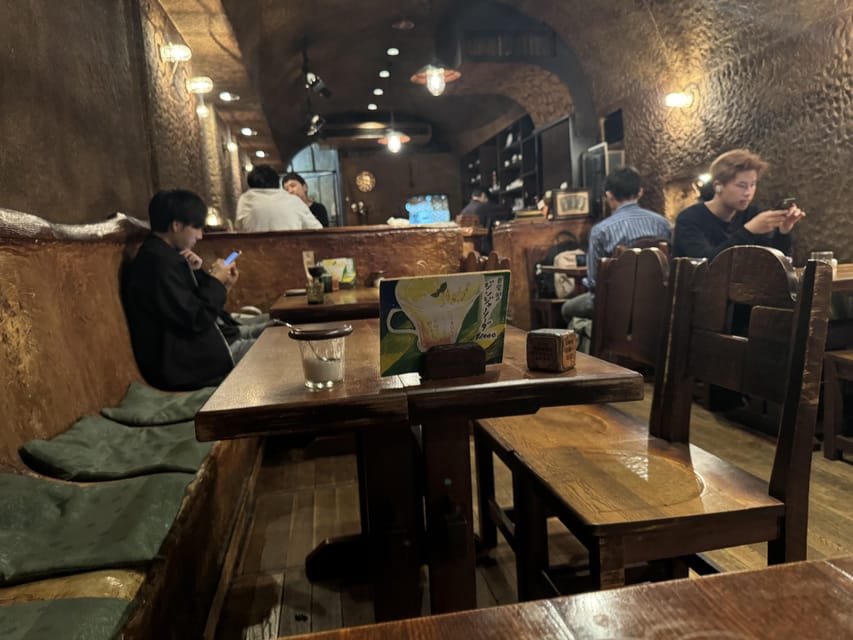
The next stop is Kichijoji, with about an hour for coffee, shopping, sightseeing, and conversation. This neighborhood offers a calmer feel than the huge commercial centers, and the tour uses a locally roasted coffee at an independent cafe to introduce Tokyo’s modern cafe culture.
That coffee stop matters. Tokyo’s cafe scene is not limited to large chains, and independent cafes often reflect the character of their neighborhood. Here, you get time to sit down, ask questions, and reset before more walking. Since coffee is included, you do not need to budget extra for this particular pause.
The guide also connects present-day Kichijoji to the economic bubble era and its influence on architecture and local life. That context helps explain why parts of the area can feel relaxed and established while still supporting newer independent businesses. I appreciate this kind of explanation because it moves beyond the simple message that a neighborhood is trendy.
Kichijoji is a good fit if you want a break from constant shopping. You can enjoy the cafe atmosphere, browse local businesses, and compare the district’s pace with Shimokitazawa. The schedule still remains tight, so you should not expect a long cafe crawl or an extended restaurant search.
One practical point: coffee is included, but other food and purchases are not. If you need a full meal during the tour, plan around the four-hour schedule rather than assuming the coffee stop will cover lunch.
Koenji and Tokyo’s changing style
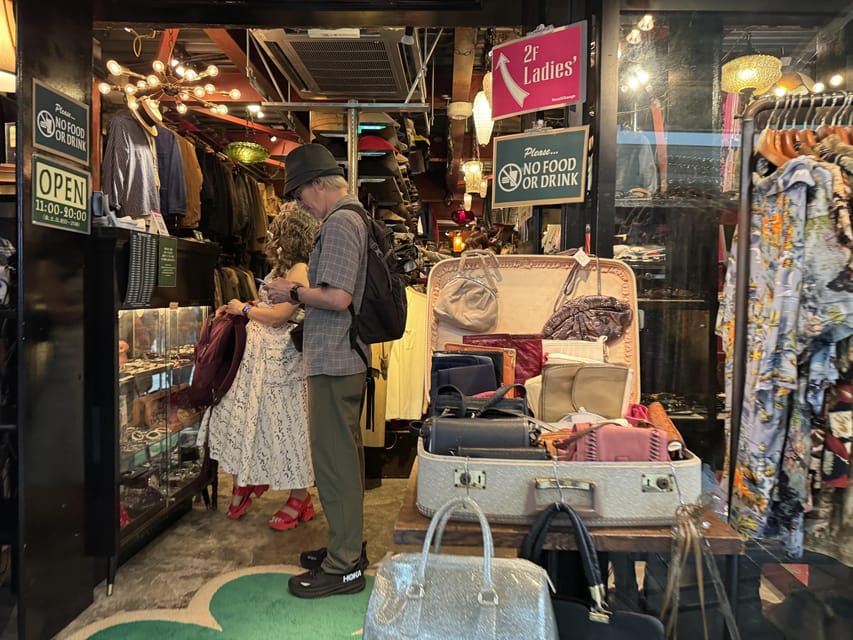
Koenji receives about 40 minutes, making it the shortest shopping-focused stop. The district is known here for creative energy, indie boutiques, and small streets where current Tokyo style appears in less polished form.
You will walk through a maze-like area and look at boutiques with distinctive clothing and accessories. The appeal is not only finding something to buy. It is seeing how local style develops outside the major fashion districts. If you enjoy independent labels or unusual streetwear, this part of the tour may be one of your favorites.
The guide also discusses changing social norms, including the way tattoo parlors have been able to flourish in the area. That subject gives the stop a broader purpose. You are learning how parts of Tokyo adapt as attitudes toward appearance, self-expression, and small creative businesses shift.
Forty minutes is enough to get a sense of Koenji, but it is not enough for a serious shopping mission. You may need to choose between browsing several stores and listening closely to the guide. I would pay attention to the streets and shop names, then return later if the neighborhood catches your interest.
Koenji also shows why this tour works better with a guide than with a generic city sightseeing route. The district’s appeal is spread across side streets and small storefronts, not concentrated at one famous sight. A local guide can help you understand what you are seeing instead of sending you toward a single photo stop.
Nakano Broadway and the collector’s hour
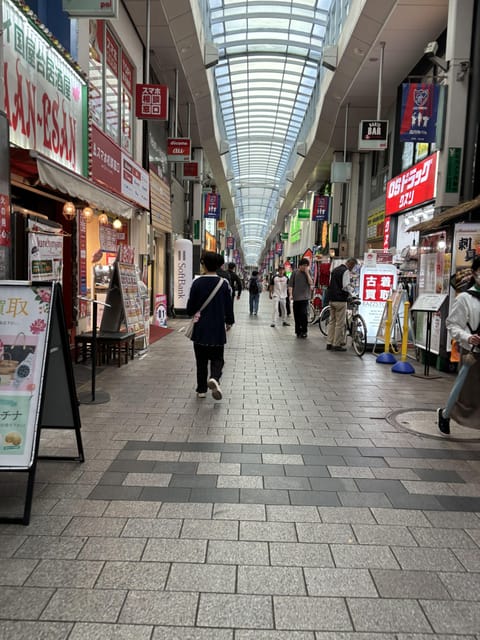
The final district is Nakano, with about 40 minutes focused on sightseeing and Japanese pop culture. Nakano Broadway is the major draw, a dense shopping center filled with stores selling anime, manga, vintage cameras, and other collector items.
This is the place for people who want a closer look at the industries that helped shape Japan’s international image. You might find anime goods, manga-related items, old cameras, or retro game treasures. The selection can feel wonderfully specific, especially if you already collect something or want to understand why Japanese pop culture has such a strong global following.
The guide links anime and manga to the economic bubble era and its lasting effects. That historical angle is useful because it places the merchandise in a wider story. Nakano Broadway is not just a collection of shops. It reflects how entertainment, collecting, nostalgia, and commerce have grown together in Japan.
If you are not an anime or manga fan, you can still enjoy the stop as a window into Japanese retail culture. The shelves and shop displays reveal how carefully niche interests are served. Vintage cameras also give the area appeal beyond animation.
Again, the schedule is the tradeoff. Forty minutes can pass quickly in a collector’s district. Prices vary by item, and personal shopping is not included, so bring your own spending budget if you hope to buy something. You do not need to purchase anything to enjoy the stop, but the temptation may be strong.
Same place, a different cup:
- Hanoi Coffee Workshop: Taste Salt, Coconut and Egg Coffee
★ 5.0 · 1,286 reviews - Vienna for Food Lovers: Cafés, Markets & Austrian Cuisine
★ 5.0 · 1,063 reviews - Big Island Highlights: Coffee, Volcano, Black Sands & Waterfall
★ 5.0 · 1,054 reviews - Hanoi: Salt Coffee Workshop Awake Your Senses With 6 Brews
★ 5.0 · 792 reviews
What the four-neighborhood route tells you
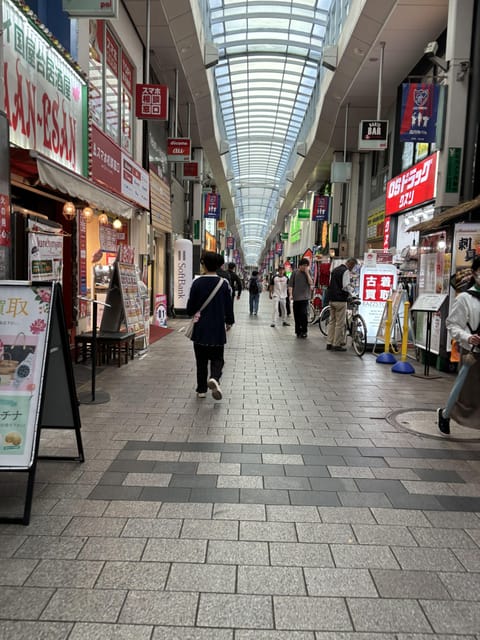
Taken together, the route offers a useful contrast between Tokyo’s past and present. Shimokitazawa connects post-war change with vintage clothing and independent artists. Kichijoji shows how local cafe culture and neighborhood architecture reflect later economic shifts. Koenji focuses on present-day style and changing social attitudes. Nakano shows how anime, manga, cameras, and collecting became central parts of Japanese entertainment culture.
I like the way the stops build on one another. You begin with secondhand goods and music, pause for coffee, look at current fashion, and finish with highly specialized pop culture. The tour does not treat Tokyo as one single personality. It shows a city made of many small scenes.
That variety also means the experience may feel less satisfying if you want one subject in great depth. A dedicated vintage-shopping tour would give you more time for clothing and records. An anime-focused outing would likely offer more time in Nakano. This experience makes the most sense if you want a broad introduction to several neighborhoods and subcultures in one afternoon.
How the transit and timing affect the experience
Public transport is included, which is an important practical benefit. Tokyo’s rail system is efficient, but moving between four neighborhoods can still require attention to stations, lines, exits, and timing. Having a guide manage the transfers allows you to focus on the districts themselves.
The schedule adds up to roughly four hours:
- Shimokitazawa: about one hour
- Kichijoji: about one hour
- Koenji: about 40 minutes
- Nakano: about 40 minutes
The remaining time is used for movement between areas. That makes the outing efficient, but it also keeps the group moving. Wear comfortable walking shoes, carry water, and use sunscreen if the weather is bright. A camera is useful, though flash photography is not allowed. Smoking is also not permitted during the experience.
The route is not suitable for wheelchair users or people with mobility impairments. You should be comfortable walking through stations, shopping streets, and busy commercial areas. Private or small-group options may make the outing more personal, but the walking demands remain.
Guide quality and the personal touch
The strongest part of the experience is likely to be the guide. Ryuhki has been described as friendly, kind, and especially good at offering insider information. The guide also welcomes changes, which matters on a neighborhood tour because your interests may become clear only after you see the first district.
Hiro has been praised for a warm approach and for pointing out good shopping and restaurant areas. That suggests the tour is not a rigid script. You can ask about food, clothing, music, anime, or local customs and get advice connected to the neighborhoods you are visiting.
I would use this flexibility actively. Tell the guide at the start if you care most about records, vintage clothing, coffee, cameras, anime, or local history. With only four hours, clear priorities help the guide make the route more useful for you.
The available feedback is very strong overall, with a 4.8 rating from three published ratings. The most consistent praise goes to the guides’ friendliness, personal attention, useful local suggestions, and willingness to make the experience feel individual. The one lower rating still described the guide as personable and the neighborhood recommendations as worthwhile.
Is $83 a fair price?
At $83 per person, the value depends on how much help you want with Tokyo’s rail system and neighborhood culture. You are paying for a four-hour English-language guide, transit during the outing, coffee, and access to a planned route through four districts. That is more useful than simply paying for a walk through one shopping street.
The price is easier to justify if you are visiting Tokyo for the first time, have limited free time, or want to find independent shops without spending hours researching them. It also makes sense for people who enjoy subcultures but do not know which neighborhoods match their interests.
The value is weaker if you are a confident Tokyo visitor who already knows these districts or if you prefer to shop slowly. Your purchases are extra, and the tour cannot give you enough time to inspect every store. Think of the fee as paying for orientation, transport, context, and personal recommendations rather than a shopping package.
Free cancellation up to 24 hours before the start and the reserve-now, pay-later option make the booking less rigid. You still need to check the available starting time when planning your day.
Who should book this experience?
I would recommend it to you if you want to see a less formal side of Tokyo and enjoy independent fashion, records, coffee, anime, manga, cameras, or local stories. It is particularly useful early in a Tokyo visit, when a guide can help you decide which neighborhoods deserve a second, slower visit.
It suits solo visitors, couples, and small groups who prefer conversation over a large sightseeing crowd. The private and small-group formats may also appeal to people who want to ask many questions or adjust the emphasis.
I would hesitate if you dislike shopping, cannot walk comfortably, or want famous landmarks and major historic sights. This is a subculture and neighborhood tour, not a temple, palace, or broad overview of Tokyo’s traditional attractions. Its appeal comes from ordinary streets, independent businesses, and the stories behind them.
FAQ
Where does the tour meet?
The meeting point is the East Exit of Shimokitazawa Station on the Odakyu Line.
How long does the experience last?
The tour lasts four hours. Check the available starting times when booking.
Which neighborhoods are included?
The route includes Shimokitazawa, Kichijoji, Koenji, and Nakano.
Is coffee included?
Yes. Coffee at a local cafe in Kichijoji is included.
Is transportation included?
Yes. Transit during the tour is included.
Is the tour suitable for wheelchair users?
No. The experience is not suitable for wheelchair users or people with mobility impairments, and you should expect a fair amount of walking.
Should you book it?
Book this tour if you want Tokyo explained through its smaller scenes rather than its famous sights. The best reasons are the four contrasting neighborhoods, the included transit and coffee, and the friendly guides who can tailor suggestions to your interests.
Skip it if you want a relaxed shopping day or enough time to explore every store. The pace is brisk, but that is also its strength. For $83, you get a well-planned introduction to Tokyo’s vintage, coffee, fashion, and pop-culture districts, with a useful shortlist of places to revisit on your own.
Just added around the world
- Vietnamese Coffee Making Class in Hoi An★ 5.0 · 4 reviews
- Venice Delights: Coffee & Food Experience Walking Tour★ 5.0 · 2 reviews
- Yerevan: Private Coffee Tour with 2 Café Stops★ 5.0 · 2 reviews
- Vietnamese Coffee 101 Workshop★ 5.0 · 11 reviews
- Ubud: Waterfall, Holy Water Temple,Swing&coffee plantation★ 5.0 · 9 reviews
- Vancouver: Street Art & Craft Coffee Walking Tour w/ Tasting★ 4.8 · 11 reviews
- Vienna: Guided Viennese Coffee-House Tour★ 5.0 · 2 reviews
- Coffee pleasure walking tour★ 5.0 · 12 reviews
Japan Coffee Tours, compared.
Discover Japanese Politics Over a Coffee in Tokyo
Read our review →
Private Akihabara Retro Tokyo Anime Game Maid Cafe Tour w/ pickup
Read our review →
Discover Japanese Coffee Brewing Experience at Tokyo
Read our review →
Private Akihabara Anime Game Maid Cafe Tour w/ free pickup
Read our review →
Best of Downtown Tokyo: Nature, Coffee, & Japanese Sweets Tasting
Read our review →
Discover Coffee Experience Latte Art Workshop at Tokyo
Read our review →Browse the lists this tour appears in