
REVIEW · JAPAN COFFEE TOURS
Best of Downtown Tokyo: Nature, Coffee, & Japanese Sweets Tasting
Tokyo has a quieter side. This two-hour morning walk through Kiyosumi Shirakawa trades packed landmarks for a traditional garden, serious coffee, and Japanese treats in a low-key downtown district. I especially like the small maximum of five people, which should make conversation and questions easier, and the mix of old neighborhood character with Tokyo’s modern coffee scene. The main consideration is cost: at $65.03 per person, you should confirm exactly what your tasting purchases include, since admission tickets are not included.
I also like the sensible 9 a.m. start. You can see the garden before the day gets too warm, then settle into coffee and breakfast before exploring more of Tokyo. Daisy, the guide, has earned praise for clear explanations and for helping with directions when one taxi dropped a participant away from the garden entrance. Still, this is not a good match if you dislike coffee, tea, or sweets.
Key points at a glance

- Kiyosumi Gardens leads the morning: Spend about an hour in one of Tokyo’s nine famous public gardens, with ponds, birds, fish, and even a snapping turtle possible.
- Kiyosumi Shirakawa is a coffee neighborhood: The area is linked with Japan’s third-wave coffee movement and has many independent cafés.
- Allpress Espresso provides the modern stop: Enjoy freshly brewed coffee and choose a light breakfast at the neighborhood’s first roastery and coffee shop.
- The final tasting contrasts old and new: Near the Futatsume-dori Origin Monument, you try two Japanese sweets, one modern and one traditional.
- The group stays tiny: The maximum is five people, useful in narrow streets and for personal questions.
- The tour ends with onward help: The guide can assist you in choosing the best nearby station for your next destination.
Why Kiyosumi Shirakawa makes a smart first Tokyo outing
Kiyosumi Shirakawa sits in Koto City, close enough to central Tokyo attractions but far enough from the usual sightseeing crush. That balance is the heart of this experience. You get a gentle introduction to the city instead of beginning with a packed temple, a major crossing, or a long list of famous stops.
The district combines traditional family-run bars, old warehouses, galleries, and modern coffee shops. That mix gives you a useful look at present-day Tokyo. The neighborhood does not rely on one grand sight. Its appeal comes from the change of pace between a garden path, a local café, and small food stops.
I think the tour works best near the start of a Tokyo stay. You will learn how the city can feel calm and local even in a huge metropolitan area. You will also finish with a better sense of where you are, since the guide helps you choose a station for your next journey.
At $65.03, the price is not bargain-level for two hours. You are paying for a private-feeling small group, a guide, local food and drink context, and a carefully arranged route. If you mainly want a cheap walk through the district, the price may feel high. If you value orientation and conversation, the small group can make the cost easier to justify.
More Coffee Tastings in the world:
- Hanoi Coffee Experience: 6 Brews, 9 Recipes & 3 Liquor Tastings
★ 5.0 · 2,945 reviews - Medellin: Coffee Tour with Transport, Snacks and Tastings
★ 4.7 · 1,357 reviews - Seattle Coffee Tour: Capitol Hill Cafes, Tastings & Local Stories
★ 5.0 · 489 reviews
Entering Kiyosumi Teien at 9 a.m.

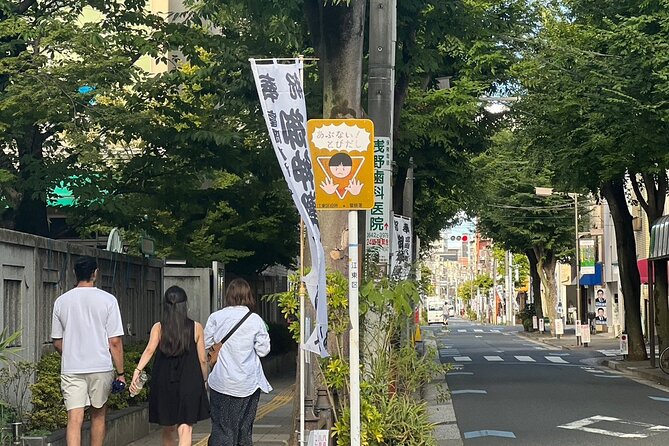
The tour begins at Kiyosumi Teien, at 3-chōme-3 Kiyosumi, Koto City. The meeting point matters, because the garden has an entrance that can be easy to miss if a taxi drops you in the wrong place. Give yourself a little extra time to find the exact starting spot.
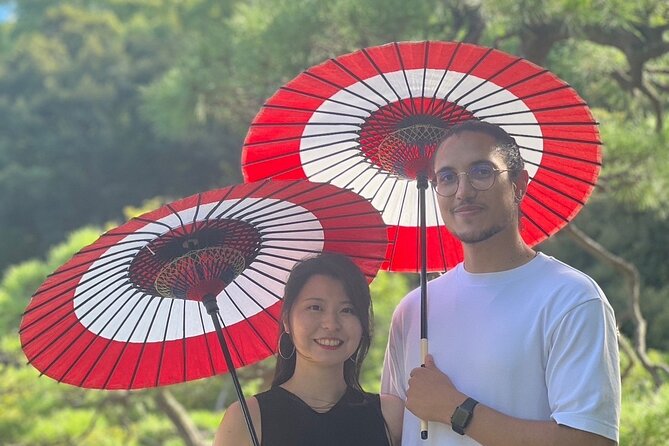
Kiyosumi Teien was built by a feudal lord during the Kyoho era and is one of Tokyo’s nine famous public gardens. The first hour is devoted to this setting, with the guide explaining key landmarks and historic points as you walk.
This is not just a quick photo stop. An hour gives you time to slow down and notice the garden’s design. The path, water, plantings, and viewing points create a very different mood from the surrounding city. Daisy’s explanations have been praised for being clear, informative, and interesting, which is important here. A Japanese garden can look beautiful at first glance, but a guide helps you understand why certain features matter.
The garden also offers more than scenery. One account describes seeing birds, fish, and a snapping turtle during the visit. Wildlife is never guaranteed, of course, but these details show why the garden rewards patient walking rather than a rushed circuit.
The garden admission fee is not included. That is a small but important budgeting point. Check the current admission cost when booking or before arrival, and keep some time in hand for finding the entrance. The tour requires moderate physical fitness, so expect a walking experience rather than a seated garden lecture.
If you enjoy gardens, photography, or quiet public spaces, this will likely be the strongest part of the morning. If you want a long list of major Tokyo landmarks, it may feel modest. The value lies in the setting and the explanation, not in checking off a famous monument.
Coffee culture at Allpress Espresso Tokyo Roastery
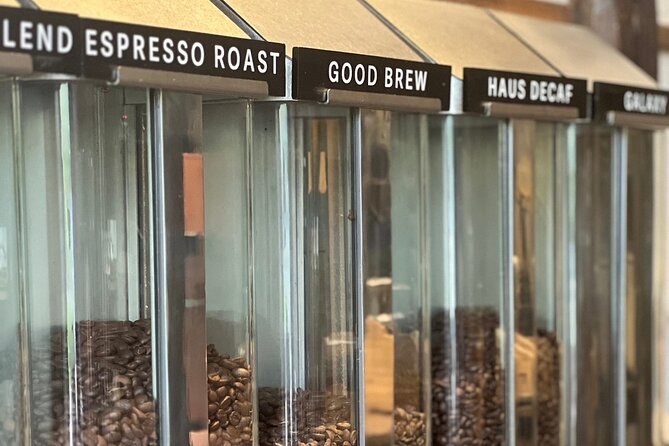
After the garden, the route shifts from traditional design to Tokyo’s modern coffee culture. Kiyosumi Shirakawa is known as a birthplace of Japan’s third-wave coffee scene, and the area has many independent cafés that focus closely on roasting and brewing.
The stop is Allpress Espresso Tokyo Roastery & Cafe. It is described as the neighborhood’s first roastery and coffee shop, giving the visit a clear local connection rather than making it a random café break.
You can expect freshly brewed coffee and a light breakfast of your choice. The exact drink and food options are not specified, so you should ask the guide what is available that morning. Also confirm what is covered by the tour price. The information clearly says admission tickets are not included, but it does not spell out the payment arrangement for coffee, breakfast, and sweets.
This half-hour stop gives the morning a practical rhythm. After an hour of walking, sitting down with coffee is welcome. It also lets you see how an older neighborhood has made room for new food and drink businesses without losing its earlier character.
I like this stop because it gives context to the district. You are not simply being told that Tokyo has good coffee. You are being taken to a neighborhood where coffee has helped shape the local identity. For someone interested in cafés, roasting, or contemporary Japanese food culture, that is a useful connection.
The drawback is simple: coffee is central to the experience. The tour is not designed for someone who wants to avoid caffeine or prefers only traditional Japanese drinks. The additional note about not recommending the tour for people who do not like tea, coffee, and sweets should be taken seriously.
Two Japanese sweets near the Futatsume-dori monument
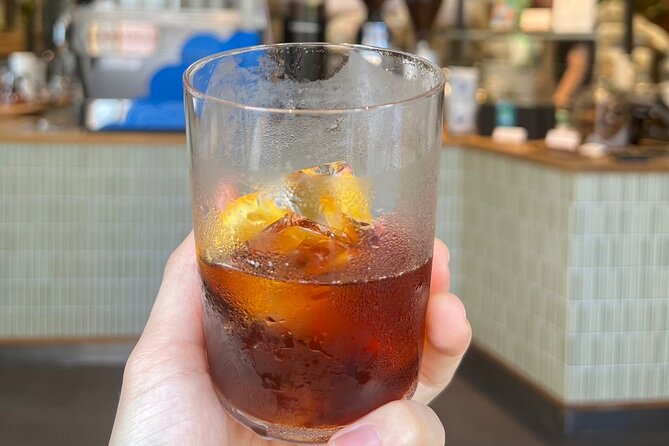
The final 30 minutes focus on Japanese sweets near the Futatsume-dori, also called Kiyosumi-dori, Origin Monument. The route finishes with two distinct treats, one modern and one traditional.
That contrast is a good way to end the walk. Japanese food culture is not frozen in the past, and this tasting appears designed to show both sides. You get a traditional flavor or style alongside something newer, with the guide revealing the choices during the tour.
The information describes the options as sweet or savory in the morning overview, then specifies two Japanese sweets in the final stop. If you have dietary restrictions or strong preferences, ask before booking or at the start of the tour. The available choices are not listed in detail, so you should not assume that every item will suit you.
This short tasting is also where the tour becomes most personal. In a group of no more than five, you can ask what makes one item traditional or why another is considered modern. That kind of explanation can turn a small snack into a useful introduction to Japanese eating habits.
Do not expect a full meal. The morning includes a light breakfast and sweets, but the tour lasts about two hours. If you need a substantial lunch, plan one afterward.
More Dessert Tours in the world:
- Award Winning Farm Tour: Coffee, Chocolate and Unique Gifts
★ 5.0 · 484 reviews - Vienna Coffee, Cake & Pastries Tour with Local Stories
★ 5.0 · 470 reviews - Buggy Ride Into the jungle with cave coffee & chocolate tasting
★ 5.0 · 465 reviews - ATV Adventure w/ Chocolate, Coffee & Cave Swim in Punta Cana
★ 5.0 · 178 reviews
What the small group changes
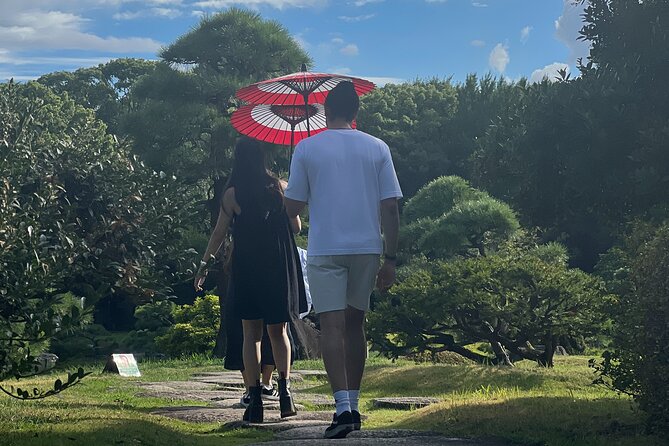
A maximum of five people is one of the strongest practical features. Kiyosumi Shirakawa is not presented as a grand bus tour destination, and a large group would work against the quiet character of the neighborhood.
With a tiny group, you have a better chance to hear the guide in the garden, ask questions at the café, and move between stops without a long wait. It should also be easier to discuss your onward plans at the end.
Daisy’s role matters here. Her explanations have been described as clear and interesting, and she has helped with directions when a ride failed to stop at the garden entrance. That suggests a guide who pays attention to practical needs as well as prepared information.
The small group does not guarantee a private tour, and it does not turn the experience into an intensive history lesson. It simply creates better conditions for a relaxed walk and conversation.
Timing, meeting point, and getting around afterward
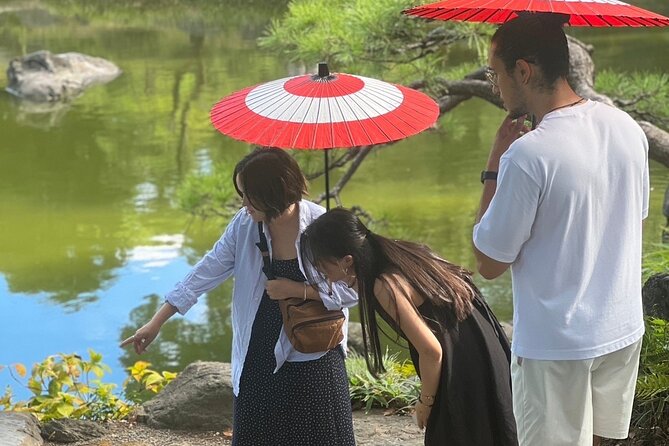
The start time is 9 a.m., and the tour lasts approximately two hours. The meeting point is at 3-chōme-3 Kiyosumi, in Kiyosumi, Koto City, Tokyo. Since the exact garden entrance can cause confusion, use the provided address carefully rather than relying only on a taxi driver.
The end point is near 麺屋 宮本 in Shirakawa, at 1-chōme-2-5. The guide can help you choose the most useful nearby station after the tour. That assistance is valuable because Kiyosumi Shirakawa has multiple stations, and the best one depends on where you are going next.
This makes the experience easier to add to a larger day. You could continue sightseeing in eastern Tokyo, return toward central areas, or stop for lunch nearby. The tour does not provide a full day of activity, so its best use is as a focused morning introduction.
The mobile ticket is convenient. Confirmation arrives when you book, and the tour is near public transportation. You still need to pay attention to the meeting address, especially if arriving by taxi or ride service.
Who will get the most from this tour
I would recommend this experience to you if you want a quieter Tokyo introduction with three different pleasures: a garden, a café, and Japanese food. It suits solo visitors, couples, and small groups who prefer conversation over a large organized outing.
It is also a good fit if you have already seen the major central sights and want a neighborhood with a more everyday feel. The garden gives you a traditional starting point, while the café and sweets show current local tastes.
You should think twice if you want a fast-moving schedule packed with famous landmarks. The tour spends a full hour in one garden and takes its time with coffee and tasting. That is the appeal, but it will not satisfy someone chasing maximum sightseeing volume.
You should also avoid booking if coffee, tea, and sweets are not your thing. The experience is built around them, not added as optional decoration.
Price, value, and the cancellation window
At $65.03 per person, this is a mid-priced short tour. The cost makes the most sense if your priorities include a very small group, a guide’s explanation, and help making sense of the neighborhood.
The price is less attractive if you count only the two-hour duration. You also need to account for any garden admission and clarify the cost of the coffee, breakfast, and sweets. Those extra details affect the final value.
The booking pattern suggests people reserve it about 24 days ahead on average. You may want to plan early if the five-person limit matters to you, especially for a particular morning.
Free cancellation is available if you cancel at least 24 hours before the start time. Cancellations or changes made inside that window are not refunded or accepted, with cut-off times based on Tokyo local time. That is a fair policy, but do not leave changes until the last minute.
Should you book Best of Downtown Tokyo?
Book it if you want to start Tokyo gently, see Kiyosumi Shirakawa with a guide, and enjoy a focused mix of nature, coffee, and Japanese sweets. The garden is the main visual attraction, while the Allpress stop and final tasting explain why the neighborhood feels different from the city’s headline sights.
I would especially choose it for a first morning in Tokyo, for a small group that values questions, or for anyone curious about Japanese gardens and coffee culture in equal measure. I would skip it if you want a full meal, major landmarks, or a low-cost self-guided walk.
The strongest reason to choose it is the combination of Daisy’s clear guidance, the five-person limit, and the calm pace. Just confirm the food and drink inclusions, budget for garden admission, and arrive ready for a moderate amount of walking.
FAQ
How long does the tour last?
The experience lasts approximately two hours.
What time does the tour begin?
The tour starts at 9 a.m.
Where does the tour begin?
It begins at 3-chōme-3 Kiyosumi, Koto City, Tokyo 135-0024, Japan.
Where does the tour finish?
It finishes near 麺屋 宮本 in Shirakawa, Koto City, Tokyo. The guide can help you choose the best nearby station for your next destination.
How many people can join?
The maximum group size is five people.
Is the tour available with a mobile ticket?
Yes. A mobile ticket is available, and confirmation is received at the time of booking.
Is admission to Kiyosumi Teien included?
No. The garden admission ticket is not included.
What food and drink are part of the morning?
The tour includes a coffee and light breakfast stop at Allpress Espresso Tokyo Roastery & Cafe, followed by two Japanese sweets, one modern and one traditional. The exact payment arrangements and selections should be confirmed before booking.
Is the tour suitable for people with limited fitness?
The experience requires a moderate level of physical fitness.
Can I cancel for a full refund?
Yes, if you cancel at least 24 hours before the experience starts. Cancellations made less than 24 hours before the start time are not refunded.
More Food and Drink Tours in the world
- Vienna for Food Lovers: Cafés, Markets & Austrian Cuisine
★ 5.0 · 1,063 reviews - Hanoi: Vietnamese Street Food Tour with Egg Coffee
★ 4.9 · 315 reviews - Da Nang Cooking Class with Coffee Tasting and Market Visit
★ 5.0 · 310 reviews - Hungry in Vienna? A Food Lover’s Coffee & Market Walk
★ 4.9 · 276 reviews
Just added around the world
- Vietnamese Coffee Making Class in Hoi An★ 5.0 · 4 reviews
- Venice Delights: Coffee & Food Experience Walking Tour★ 5.0 · 2 reviews
- Yerevan: Private Coffee Tour with 2 Café Stops★ 5.0 · 2 reviews
- Vietnamese Coffee 101 Workshop★ 5.0 · 11 reviews
- Ubud: Waterfall, Holy Water Temple,Swing&coffee plantation★ 5.0 · 9 reviews
- Vancouver: Street Art & Craft Coffee Walking Tour w/ Tasting★ 4.8 · 11 reviews
- Vienna: Guided Viennese Coffee-House Tour★ 5.0 · 2 reviews
- Coffee pleasure walking tour★ 5.0 · 12 reviews
Japan Coffee Tours, compared.
Discover Japanese Politics Over a Coffee in Tokyo
Read our review →
Private Akihabara Retro Tokyo Anime Game Maid Cafe Tour w/ pickup
Read our review →
Discover Japanese Coffee Brewing Experience at Tokyo
Read our review →
Private Akihabara Anime Game Maid Cafe Tour w/ free pickup
Read our review →
Tokyo’s Neighborhood Digs: Coffee, Records & Vintage Vibes
Read our review →
Discover Coffee Experience Latte Art Workshop at Tokyo
Read our review →Browse the lists this tour appears in