
REVIEW · MUSEUMS
Bucharest: Museum of Communism Ticket with Communist Coffee
History tastes better with coffee. Bucharest’s Museum of Communism turns Romania’s recent past into a hands-on visit, where you can type on an old typewriter, read original magazines, and try on period clothing. I especially like the touchable exhibits and the chance to ask questions in English as you move through the rooms. The included cup of nechezol coffee adds a memorable, slightly theatrical finish. The main drawback is its small size: you may finish in 45 minutes to an hour, and some displays rely more on reading than interpretation.
At $10 per person, this works best as a compact Old Town stop rather than a half-day museum outing. I would choose it for a quick, accessible introduction to everyday life under communism, especially if you enjoy photographs and hands-on displays. If you want a detailed academic account of Romanian communism, the simple text and limited collection may leave you wanting more.
Key points to know before you go

- Taste the 1980s with nechezol: The ticket includes a cup of the coffee substitute once served during Romania’s coffee shortages.
- Handle original-era objects: You can type on an old typewriter, read period magazines, and try on old clothes.
- Ask questions in English: A host or greeter is available in the museum, so you are not left alone with the display text.
- Plan for a short visit: Allow about 45 minutes to one hour, though the ticket is valid for one day.
- Expect a small, informal museum: There is a clean toilet and a small bar area, but no gift shop.
- Good for social photos: Dressing up, music, and the living-room setting make it more enjoyable with company.
What the Museum of Communism tries to show

The Museum of Communism focuses on Romania’s recent past and the effect of communism on Bucharest and ordinary Romanian life. That focus matters. Instead of presenting only leaders, dates, and political events, the museum uses domestic objects and familiar routines to show how an era felt at home.
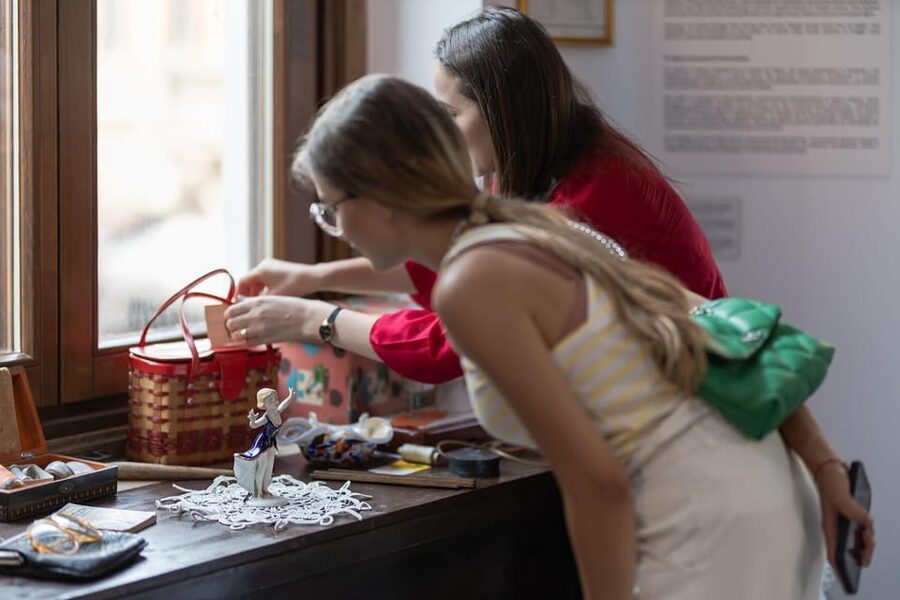
You are likely to encounter displays connected with reading, clothing, work, household life, and shortages. The experience asks you to do more than walk past glass cases. You can pick up or use many of the exhibits, which gives the visit a more personal feel than a standard display of untouchable artifacts.
I like this approach for a first introduction to the subject. You do not need a strong background in Romanian history to understand the basic message. The setting helps you picture daily life through objects people handled, wore, read, and used.
Still, keep your expectations in check. This is not a large national museum with a long scholarly exhibition. One visitor found some of the text too simple and felt that certain experiences described as communist-era evils were also common across the 1950s through the 1990s. That is a fair caution. The museum is best treated as an accessible experience, not your only source for understanding the period.
More Museum Visits in the world:
- Dublin: Irish Coffee Masterclass at the Irish Whiskey Museum
★ 4.6 · 279 reviews - 7-Hour Shared Group Santos Tour : Mont Serrat, Coffee Museum and Sightseeing
★ 5.0 · 68 reviews - Strauss Exhibition incl. LED Concert Show / Coffee + Strauss Cake
★ 5.0 · 30 reviews
Touching the past, one typewriter at a time
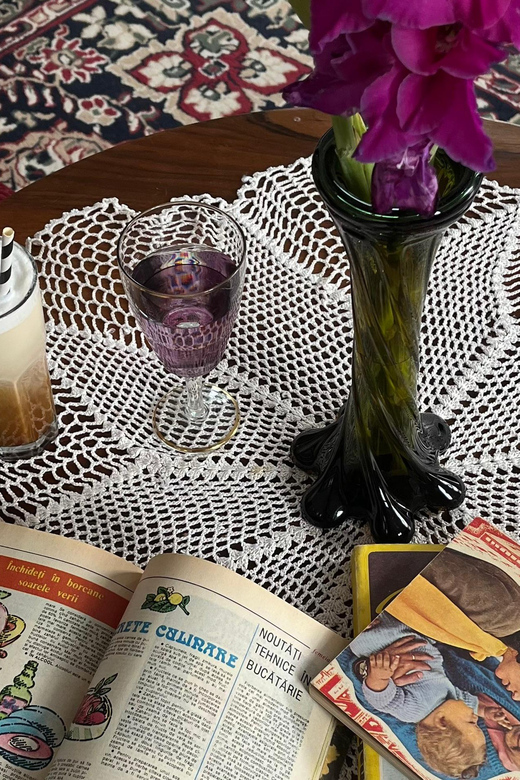
The interactive elements are the museum’s strongest feature. You can type on an old typewriter, look through original magazines, and try on old clothing. These activities give you something to do while you learn, and they create useful photo opportunities without requiring a formal guided tour.
The typewriter is more than a prop. It helps turn an abstract time period into something physical and familiar. The magazines offer a glimpse into the printed material of the era, while the clothing gives you a sense of how the museum wants you to approach the visit: with curiosity and a little playfulness.
You should read the displays, but do not expect every room to function like a fully guided lesson. Some visitors may move quickly through the text, while others will stop to examine the objects and ask questions. If you read carefully, the visit should last closer to an hour. If you mainly look at the rooms, you might be finished in five minutes.
That difference is important for planning. The museum can feel satisfyingly full for a curious visitor who interacts with the displays. It can feel thin if you expect a large collection or a long chronological exhibition.
Asking questions in English
English is the stated language for the experience, and a host or greeter is available in the museum. This is useful because the exhibit text may not answer every question you have about Romanian life under communism.
The staff are one of the museum’s greatest strengths. The most enthusiastic response in the available feedback praised the young guides for being passionate, invested, and well-informed. Another visitor appreciated how kind and willing the staff were when answering questions in the rooms.
That human contact changes the visit. If you are unsure why an object matters, ask. If you want to understand the meaning of nechezol, ask. If a display seems to make a broad claim about communist life, a conversation may give you needed context.
There are no guide names provided for this experience, so I would not book it expecting a particular named historian. Instead, think of the staff as helpful museum hosts who can add context and conversation to a self-guided visit.
Why the nechezol coffee matters

The coffee tasting is not just a free drink added to the ticket. It explains one small but revealing part of life during late communism.
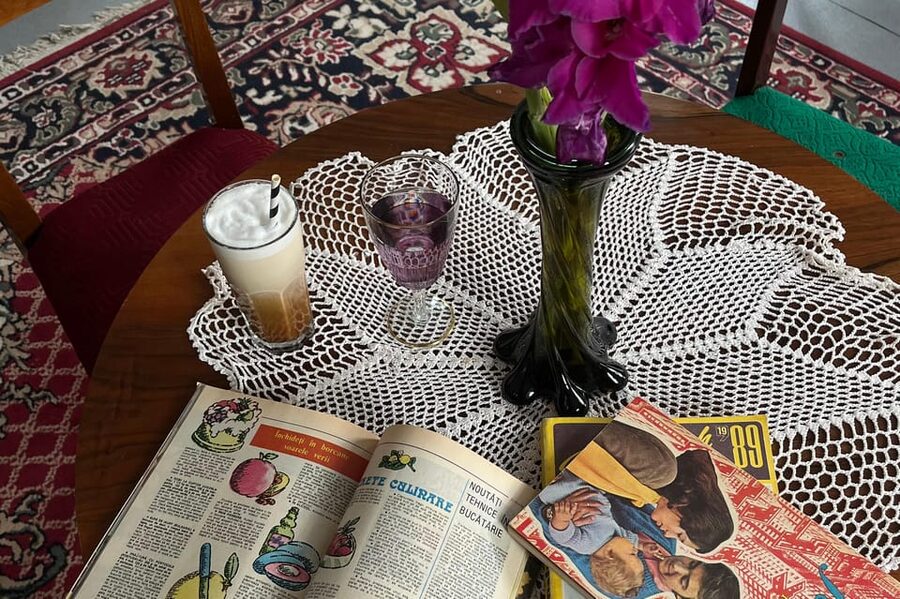
During the final years of communism, Romania imported coffee in very small amounts. Nechezol appeared as a substitute, and the museum explains how this communist-era coffee came into use. You receive a cup and drink it in the museum’s living room, seated on a communist couch and using an original old cup.
This is the part I find most memorable because it links a national shortage to an ordinary household ritual. Political history can feel distant. Sitting down with a warm drink makes the subject more immediate.
The taste itself may surprise you. One comparison described it as similar to Nescafe, though that person did not consider themselves a coffee expert. So do not expect a refined coffee tasting. The point is the story, the setting, and the chance to try something associated with the period.
The living room also gives the visit a natural ending. After reading and handling objects, you pause in a domestic setting and think about how people adapted to limited supplies. It is a simple idea, but it gives the museum a clear identity.
More Tickets and Entries in the world:
- Castle District tour with Matthias Church Ticket & Cake & Coffee
★ 5.0 · 31 reviews - Castle District tour with Matthias Church Ticket & Cake & Coffee
★ 5.0 · 22 reviews - Castle District tour with Matthias Church Ticket & Cake & Coffee
★ 5.0 · 4 reviews - Castle District tour with Matthias Church Ticket & Cake & Coffee
★ 5.0 · 3 reviews
A realistic visit length of 45 minutes to one hour
Although the booking is valid for one day, the actual museum experience is usually short. Plan on 45 minutes to one hour if you read much of the text, look at the objects, take photographs, try the clothing, and have the coffee.
You can shorten the visit if you are in a hurry. You can also stretch it by asking questions and spending time with the interactive displays. The museum does not appear to demand a fixed route or a long schedule, which makes it easy to fit between other Bucharest sights.
For a city break, that flexibility has real value. You could visit before lunch, after a walk through the Old Town, or during a gap between larger attractions. At $10, the ticket is reasonably priced if you want a focused cultural stop rather than several hours of museum time.
The value drops if you judge admission only by the amount of floor space or number of objects. It rises if you count the staff interaction, the chance to handle exhibits, and the included coffee experience. The ticket is buying a compact activity, not entrance to a major state museum.
Why company can improve the experience
The museum includes music, dressing-up opportunities, and photo-friendly displays. These touches may work best when you visit with a friend, partner, or family member. You can take photographs of each other, compare reactions to the clothing, and share the coffee moment.
Solo visitors can still enjoy the museum, especially if they like reading and asking questions. But the playful elements may feel less useful when nobody is there to take a photograph or join in. One assessment specifically found the experience more fun with other people for this reason.
That does not make it a poor solo choice. It simply tells you what kind of museum this is. It is part historical exhibition, part interactive setting, and part conversation starter. If you want quiet contemplation and dense research, you may find it too light. If you enjoy learning through objects and small activities, the tone should suit you.
Where the museum may feel too simple
The museum’s accessible style is also its main weakness. Some text may simplify complicated subjects or make broad judgments about everyday life between the 1950s and 1990s. Communism in Romania was not one unchanging experience, and a short museum cannot explain every difference between decades, generations, or social groups.
I would treat the displays as an introduction. Use them to identify questions, then continue learning through a book, a larger museum, or a historical walking tour. The staff can help if you want to ask for clarification, but the museum itself does not promise a specialist academic treatment.
The collection may also feel limited. One negative assessment described many posters and not many objects, with little that felt interactive. That criticism is worth taking seriously because your experience will depend on how much you engage with the displays. If you only skim the posters, the museum may seem very brief.
The best strategy is to arrive ready to participate. Type, read, try on the clothing, look closely at the magazines, ask questions, and stay for the coffee. The more passively you approach the visit, the less you are likely to get from the $10 price.
Practical details that affect your choice
The experience is offered in English, and the cancellation terms allow a full refund if you cancel at least 24 hours ahead. You can also reserve now and pay later, which helps if your Bucharest schedule is still changing.
The activity is not suitable for wheelchair users. That is an important limitation to check before booking.
Facilities are modest but useful. The museum has clean toilet facilities and a small bar area. There is no gift shop, so this is not a place to plan for souvenirs or a long café stop after the tasting.
The experience provider is the Museum of Communism in Bucharest itself. Since the visit is short and the museum is compact, you will want to combine it with other plans in the city rather than build an entire day around it.
Who should book this experience?
I would recommend it to you if you want a short introduction to Romania’s communist period, enjoy interactive museums, or prefer everyday objects to long walls of formal text. Families and friends may get extra value from the clothing, music, photographs, and shared coffee.
It also suits visitors who are curious but not yet familiar with Romanian history. You can arrive without much background and still understand the basic subject. The English-speaking staff make it easier to ask about details that are not clear.
I would be more cautious if you are a serious history enthusiast looking for extensive documentation. The museum may feel too small, too brief, or too broad in its explanations. It is also not the best pick if you dislike staged photo opportunities or prefer museums where every item is presented with detailed scholarly context.
Should you book the Museum of Communism ticket?
Book it if you want a lively 45-minute to one-hour stop with hands-on exhibits and a memorable communist-era coffee ritual. The strongest reasons are the friendly staff, the chance to handle objects, and the living-room setting where you drink nechezol from an old cup.
Skip it if you want a large collection, a long guided tour, or a fully academic account of Romanian communism. At $10, it offers fair value when you approach it as a compact, interactive introduction. Go with curiosity, ask questions, and do not judge it only by its size.
FAQ
How much does the Museum of Communism ticket cost?
The ticket costs $10 per person.
What does the ticket include?
It includes entry to the Museum of Communism and one cup of nechezol coffee.
What is nechezol?
Nechezol is a communist-era coffee substitute that appeared when Romania was importing coffee in very small amounts during the final years of communism.
How long does the visit take?
A typical visit takes about 45 minutes to one hour, depending on how much you read and how long you spend with the interactive displays.
Is the coffee served inside the museum?
Yes. You can drink it in the museum’s living room, sitting on a communist couch and using an original old cup.
Can I touch the museum exhibits?
Yes. The experience allows you to interact with many exhibits, including an old typewriter, original magazines, and old clothing.
Is the experience available in English?
Yes. English is the stated language, and a host or greeter is available in the museum to answer questions.
Can wheelchair users visit?
The experience is not suitable for wheelchair users.
Can I cancel the booking for a refund?
Yes. You can cancel up to 24 hours in advance for a full refund. You can also reserve now and pay later.
Just added around the world
- Vietnamese Coffee Making Class in Hoi An★ 5.0 · 4 reviews
- Venice Delights: Coffee & Food Experience Walking Tour★ 5.0 · 2 reviews
- Yerevan: Private Coffee Tour with 2 Café Stops★ 5.0 · 2 reviews
- Vietnamese Coffee 101 Workshop★ 5.0 · 11 reviews
- Ubud: Waterfall, Holy Water Temple,Swing&coffee plantation★ 5.0 · 9 reviews
- Vancouver: Street Art & Craft Coffee Walking Tour w/ Tasting★ 4.8 · 11 reviews
- Turkish Coffee and Traditional Turkish Dessert Cooking★ 4.6 · 8 reviews
- Vienna: Guided Viennese Coffee-House Tour★ 5.0 · 2 reviews
Museums, compared.
Irish Coffee Masterclass at the Irish Whiskey Museum
Read our review →
7-Hour Shared Group Santos Tour : Mont Serrat, Coffee Museum and Sightseeing
Read our review →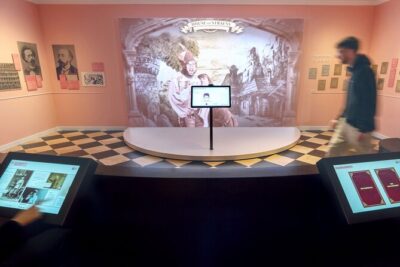
Strauss Exhibition incl. LED Concert Show / Coffee + Strauss Cake
Read our review →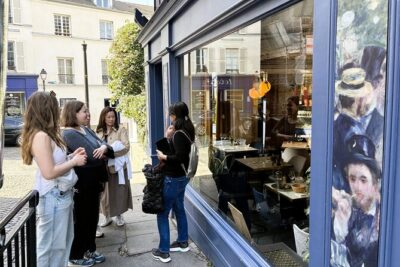
Montmartre & Sacré Coeur : Museum & Coffee In A Tiny Group Tour
Read our review →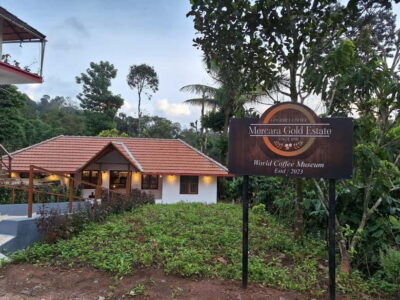
Browse the lists this tour appears in