
REVIEW · HANOI COFFEE TOURS
Hanoi: Make 6 Iconic Coffees in a Heritage Home with Locals
Coffee gets personal in Hanoi. This relaxed workshop lets you make six Vietnamese coffee styles inside a 100-year-old French colonial home, with local hosts who grew up around the city’s coffee customs. I like the small groups and the chance to adjust each cup to your taste, while keeping its traditional balance. I also like that you leave with complete recipes, not just a caffeine buzz.
The main consideration is the coffee load. Six cups in one sitting can be a lot, especially if you are sensitive to caffeine. The activity is also indoors and focused on coffee rather than sightseeing, so you should book it for hands-on learning, not for a broad tour of the Old Quarter.
- A real family home: The workshop takes place in a century-old Old Quarter house filled with family art and everyday objects.
- Six Vietnamese coffee styles: You make egg coffee, coconut coffee, salty coffee, and three other local styles.
- Small-group teaching: With no more than 10 people, the instructor can guide your technique and help adjust flavors.
- Recipes you can use: You receive full recipes, giving you a fair chance of recreating the drinks at home.
- More than brewing: You learn how to taste, balance, and understand the stories behind Hanoi’s coffee habits.
- Practical comforts: The space has air conditioning, clean restrooms, sterilized utensils, and a pet-friendly garden area.
Entering a Quiet Old Quarter Home
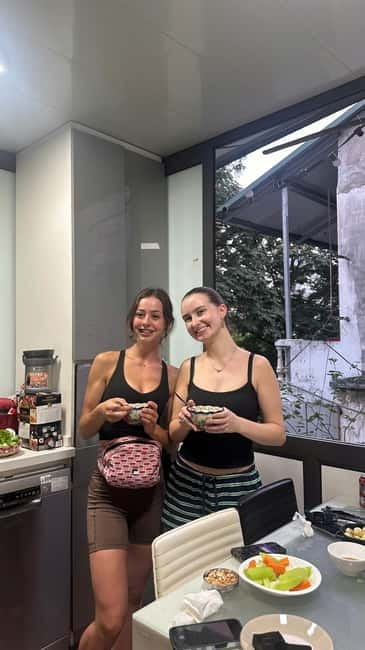
The meeting point is a century-old house tucked inside Hanoi’s Old Quarter. That setting does much of the work before the coffee even begins. Instead of sitting in a generic classroom, you enter a private family space where traditional art, household objects, and collected pieces sit alongside the working coffee bar.
The house has a calm, intimate feel. You can look around, notice details, and spend time on the balcony during the session. This makes the experience slower than a quick café stop, which is useful in Hanoi, where a little quiet can feel like a luxury.
The family has preserved objects and artwork across generations. You are not simply being shown a decorated room. You are being welcomed into a home where coffee, family life, and local culture occupy the same space.
That said, anyone expecting a formal museum visit should reset expectations. The focus is coffee, and the cultural setting supports the workshop rather than replacing it.
Six Cups, Six Different Ideas
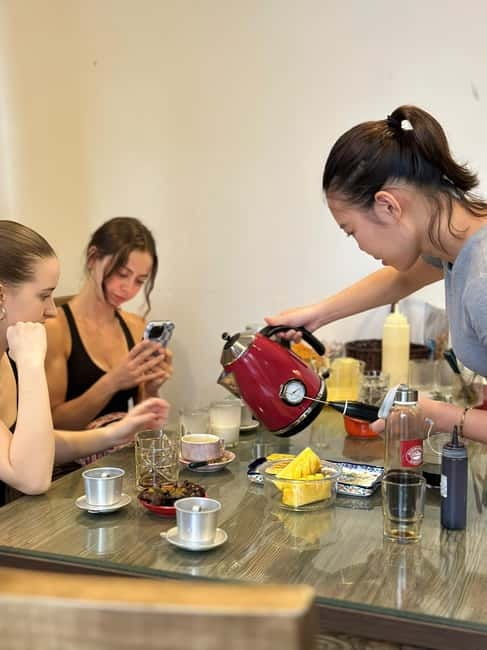
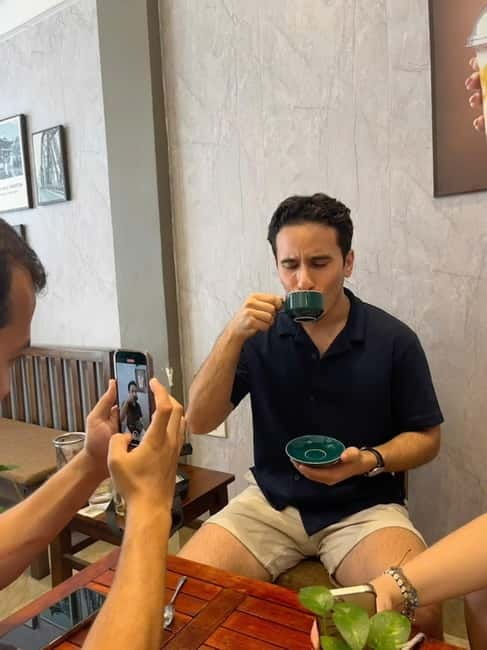
The central activity lasts about two hours, although the stated duration is one to two hours depending on the session. You make six iconic Vietnamese coffees by hand, with egg, coconut, and salty coffee among the styles included.
Each drink gives you a different lesson in balance. Egg coffee introduces a creamy topping and a dessert-like character. Coconut coffee brings another texture and flavor direction. Salty coffee shows how a small savory note can change the taste of sweet coffee.
The other three styles are part of the full six-coffee program, though the exact names are not specified in the available details. That is worth keeping in mind if you want a precise menu before booking. The experience promises six Vietnamese styles, but it does not publish every recipe in advance.
You are not expected to know how to brew Vietnamese coffee. All ingredients and equipment are supplied, and the instructor explains each stage from the beginning. You can ask questions, taste as you go, and make adjustments rather than copying a fixed formula without understanding it.
The useful part is the attention to traditional balance. Personalization does not mean turning every drink into a sugary dessert. The aim is to help you make a cup that suits you while still respecting the style you are learning.
More Heritage Tours in Hanoi:
- Coffee, History, and Architecture of the French Quarter
★ 4.9 · 71 reviews - Private Hà Nội Coffee History Tour
★ 5.0 · 6 reviews - Hanoi History Coffee Tour
★ 5.0 · 2 reviews
How the Workshop Unfolds
The session begins with an introduction to Vietnamese coffee culture and the beans being used. The hosts have collected Vietnamese specialty beans and let you taste them along the way. This gives you a chance to notice how the coffee itself affects the finished drink.
From there, the workshop moves through the individual preparations. The exact order may vary, but you can expect a clear, guided process rather than six rushed samples. You handle the ingredients and equipment yourself, with help close by when a step needs more care.
The instruction is deliberately practical. You learn what to do, why it matters, and how to recognize the right taste or texture. Hosts also explain the background of each style, including the stories behind how these drinks became part of Vietnamese coffee life.
This is where the small-group limit matters. With a maximum of 10 people, you should have room to work and time to ask questions. The experience is not designed as a large demonstration where you watch from the back and hope to catch the recipe.
The final stage is tasting and comparison. You can consider which coffee suits your palate, note the role of sweetness and texture, and think about what you would change at home. The workshop treats tasting as part of learning, not as an afterthought.
Why the Local Teaching Matters
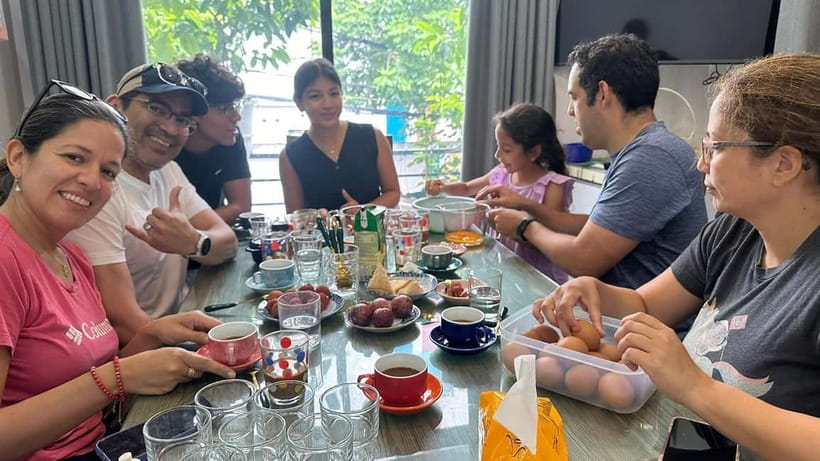
The instructors are Vietnamese and speak Vietnamese and English. Several host names appear in the experience details, including Jade, Jennifer, Jenny, and Mint. The most consistently praised qualities are warmth, clear English, and patient step-by-step guidance.
Jade is especially associated with a welcoming approach and fun egg-coffee preparation. Jennifer is noted for explaining coffee, culture, and history clearly, while also sharing useful advice about spending time in Vietnam. Mint is described as organized, friendly, and careful not to rush the process.
These details matter because coffee workshops can easily become recipe demonstrations with a few local stories added on top. Here, the stated teaching style is closer to being welcomed into a family space and shown how the drinks fit into daily life.
You should still remember that the experience is personal rather than academic. You are learning from local practice and family recipes, not attending a professional coffee certification course. That is a strength if you want a friendly cultural activity, but less so if you need technical training in extraction, roasting, or café operations.
The Beans Behind the Drinks
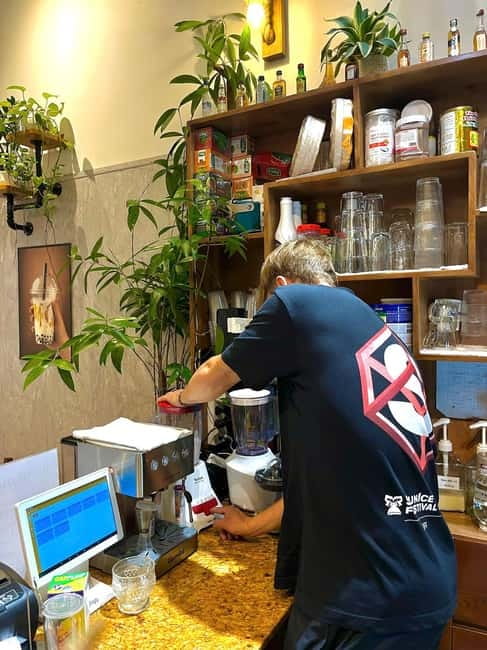
Vietnam is strongly associated with bold coffee, and this workshop gives you a chance to think about the beans before they are covered with egg, coconut, salt, or other additions. You taste Vietnamese specialty beans during the session and share your impressions.
That tasting adds value. Once you compare the coffee on its own with the finished drinks, you can better understand how milk, sweetness, cream, salt, and texture shape the final cup.
The program does not specify the exact bean origins, roast profiles, or brewing equipment. You should not book it expecting a detailed technical tasting flight. Instead, think of the beans as a way to connect the drinks to Vietnamese coffee culture and your own palate.
I like this part because it makes the workshop less about memorizing six recipes. You begin to notice what you enjoy, which is the skill most likely to stay with you after your trip.
A few more coffee tours around Hanoi worth a look
- Hanoi Coffee Experience: 6 Brews, 9 Recipes & 3 Liquor Tastings
★ 5.0 · 2,945 reviews - Hanoi Coffee Workshop: Taste Salt, Coconut and Egg Coffee
★ 5.0 · 1,286 reviews - Hanoi: Salt Coffee Workshop Awake Your Senses With 6 Brews
★ 5.0 · 792 reviews - Hanoi: Master the Art of 4-6 Signature Vietnameses Coffees
★ 5.0 · 517 reviews
What You Take Home
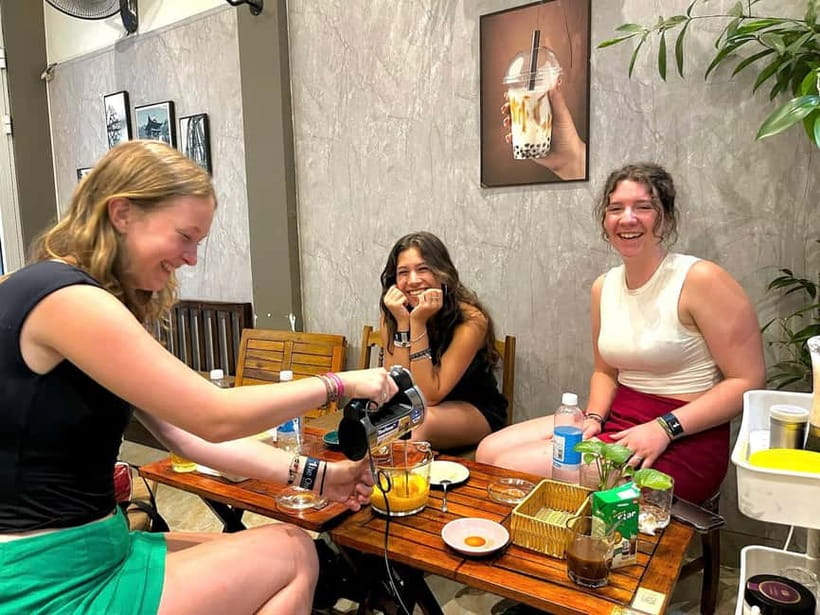
The clearest practical benefit is the set of full recipes for all six coffees. You also take home the ability to recreate the drinks, assuming you can find the required ingredients and equipment later.
That distinction matters. A tasting is finished when the last cup is empty. A recipe-based workshop can keep working for you after you return home, especially if you enjoy cooking or entertaining.
The recipes are described as detailed, but the supplied information does not specify whether they include exact measurements, substitutions, or equipment recommendations. You can ask about those points during the session, particularly if you live somewhere where Vietnamese ingredients are harder to find.
You also leave with a better sense of how to taste coffee. The workshop engages smell, flavor, texture, appearance, and touch through the preparation process. It is a simple way to pay attention to what is in the cup instead of treating coffee as a quick morning fix.
Is Six Coffees Too Many?
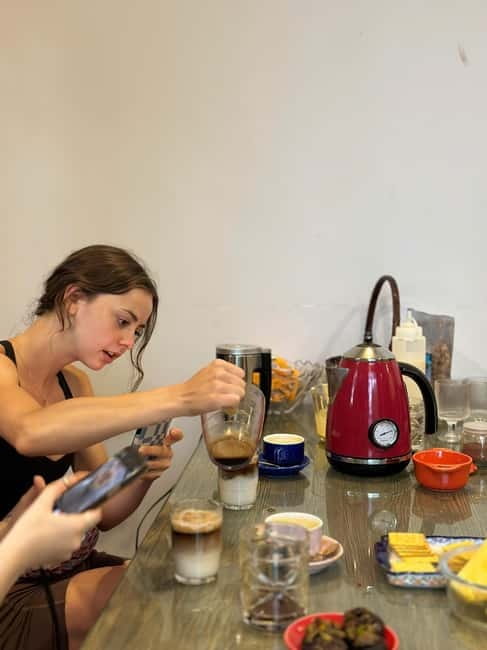
For some people, yes. Six tasting portions can add up, even when each cup is not full café size. If caffeine affects your sleep or makes you uncomfortable, ask the instructor how the portions are handled and plan the rest of your day sensibly.
The activity may be a better fit in the morning or early afternoon, though starting times depend on availability. You should also avoid pairing it with another food-heavy class if you want to enjoy each drink without feeling overloaded.
The range of styles helps. You are not drinking six identical black coffees. Egg, coconut, salty, and other preparations create different textures and flavors, so the experience has variety built in.
Still, the focus is tasting and making rather than drinking every cup quickly. Take your time, compare the results, and treat the workshop as a guided sampling session.
Comfort, Access, and Group Size
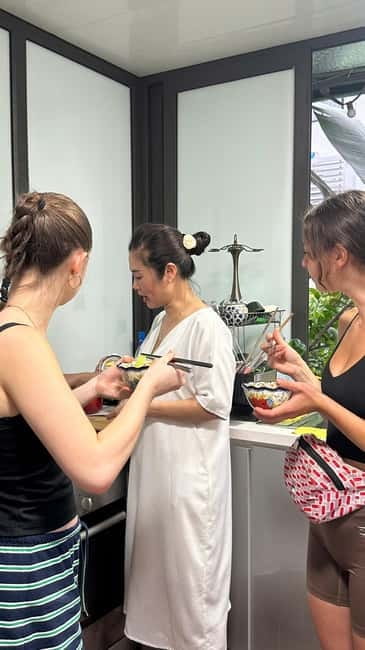
The activity is indoors, with air conditioning and clean restrooms. Utensils are cleaned and sterilized, and a dishwasher is available. Those are modest details, but they are useful in Hanoi’s heat and humidity.
The house is wheelchair accessible according to the activity information. A pet-friendly garden space is also available, and childcare service can be arranged. Since the workshop takes place in a home, it is sensible to confirm any particular mobility or childcare needs before booking.
The small-group format is one of the strongest practical features. Ten participants is the maximum, and a smaller session may feel more like a visit than a class. You have more chance to see each step, ask about flavor adjustments, and receive direct help.
The tradeoff is that an intimate home workshop may feel less polished than a purpose-built cooking school. That is not a fault, but it is part of the appeal. You are choosing character and personal contact over a slick commercial setup.
Who Will Enjoy This Most?
I would recommend this activity to anyone who wants a cultural experience that is easy to fit into a Hanoi itinerary. It takes one to two hours, stays indoors, and does not require previous coffee-making experience.
It suits:
- Coffee drinkers curious about egg, coconut, and salty coffee
- Families who want a low-key activity, with childcare available
- Couples and small groups who prefer personal teaching
- Visitors who enjoy cooking, tasting, and taking recipes home
- People looking for local contact without joining a large tour
- Anyone needing a quieter break from Old Quarter streets
It may not suit you if you dislike sweet or creamy drinks, avoid caffeine, or want a long walking tour. It is also not the right choice if your main interest is Vietnamese history outside the subject of coffee.
The experience is family-friendly in tone, but children may not want to drink six coffees. The childcare option helps, though you should confirm the arrangement before booking.
Is $22 Good Value?
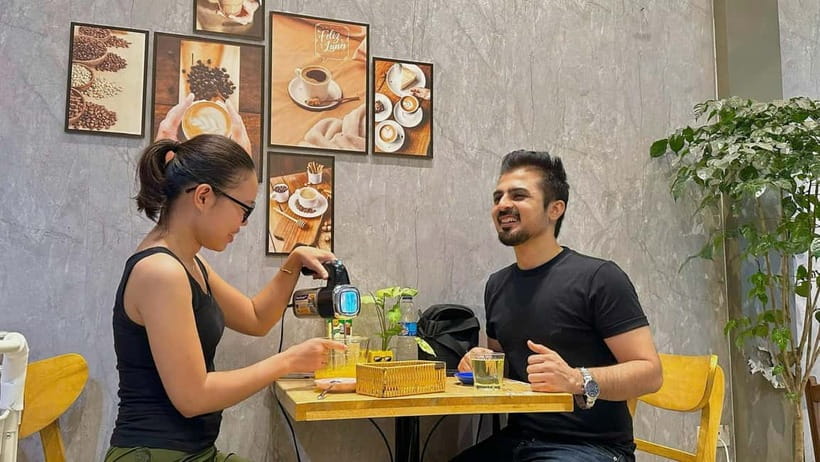
At $22 per person, the price is reasonable for a two-hour, small-group activity that includes six prepared coffees, tea, ingredients, equipment, instruction, and full recipes. The heritage home adds a setting you would not get from simply ordering drinks at a café.
The value improves if you plan to recreate even one or two coffees at home. You are paying for instruction, tasting, and access to family recipes, not only for the drinks served during the session.
It is less compelling if you only want to taste famous Hanoi coffee. You can sample local drinks for less at ordinary cafés, though you would not get the same hands-on practice or direct explanations.
The five-star rating from 32 reviews reflects a strong pattern of satisfaction, especially around friendly hosts, clear teaching, and the welcoming home setting. I would give the most weight to those repeated strengths rather than treating the rating alone as proof that every session will be identical.
Booking and Planning Advice
Free cancellation is available up to 24 hours before the activity for a full refund. You can also reserve now and pay later, which is useful when your Hanoi schedule is still shifting.
The meeting point is in the Old Quarter, but the specific street address is not included in the supplied information. Check the exact location and starting time before setting off, especially if you are navigating Hanoi on foot.
Wear something comfortable for an indoor, hands-on activity. No special coffee experience is required, and all necessary supplies are provided.
If you have strong caffeine limits, allergies, or dietary concerns, ask before booking. The ingredients include coffee and specialty preparations, but the available details do not list every ingredient in each recipe.
Should You Book It?
Book this workshop if you want to understand Hanoi coffee by making it yourself. The strongest reasons are the quiet family home, the patient local instruction, the six styles, and the recipes you can use later.
Skip it if you are looking for a major sightseeing experience or do not enjoy coffee-based drinks. For most coffee fans, though, $22 buys more than six samples. It buys a useful skill, a window into local habits, and a pleasant couple of hours in a Hanoi home.
FAQ
Where does the coffee workshop take place?
It takes place in a century-old house in Hanoi’s Old Quarter. The home is described as peaceful, private, and filled with family-collected art and everyday objects.
How long does the experience last?
The stated duration is one to two hours. Starting times depend on availability.
How many coffees will I make?
The experience includes six Vietnamese coffee styles. Egg coffee, coconut coffee, and salty coffee are specifically included, along with three other styles.
Do I need coffee-making experience?
No. No prior coffee brewing experience is required, and the instructor explains the steps from the beginning.
Are ingredients and equipment provided?
Yes. All necessary ingredients and equipment are provided during the workshop.
What languages are spoken?
The instructors speak Vietnamese and English.
How large is the group?
The activity is limited to 10 participants.
Is the activity wheelchair accessible?
Yes. The activity information states that the experience is wheelchair accessible.
Can I cancel or pay later?
You can cancel up to 24 hours in advance for a full refund. You can also reserve your place and pay later.
Just added around Hanoi
- Vietnamese Coffee 101 Workshop★ 5.0 · 11 reviews
- Private tour: Hanoi city tour-Van Phuc silk village with egg coffee, lunch★ 5.0 · 2 reviews
- Taste of Vietnam’s Coffee Scene – A Guided Experience★ 5.0 · 2 reviews
- 3 Dishes cooking + Egg Coffee bonus & Local Market Tour★ 5.0 · 14 reviews
- hidden gems cafe – learn making coconut and egg coffee★ 5.0 · 2 reviews
- Private Hà Nội Coffee History Tour★ 5.0 · 6 reviews
- Hanoi Private And All Inclusive Coffee Lovers Tour in Vietnam★ 5.0 · 6 reviews
- Hanoi Coffee Workshop Brew Taste and Culture Experience★ 5.0 · 10 reviews
Hanoi Coffee Tours, compared.
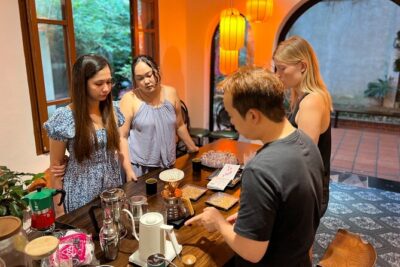
Hanoi Coffee Experience: 6 Brews, 9 Recipes & 3 Liquor Tastings
Read our review →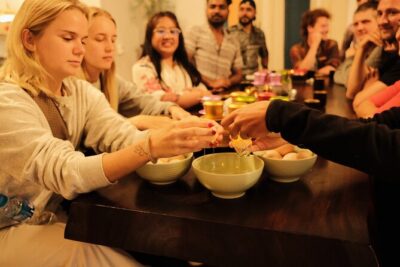
Hanoi Coffee Workshop: Taste Salt, Coconut and Egg Coffee
Read our review →
Salt Coffee Workshop Awake Your Senses With 6 Brews
Read our review →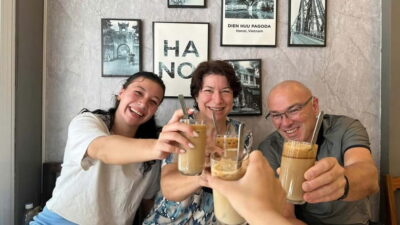
Master the Art of 4-6 Signature Vietnameses Coffees
Read our review →
Hanoi Cooking Class: Pho/Bun Cha/Banh Xeo…+Free Egg/Salt Coffee
Read our review →
Vietnamese Coffee Workshop with 6 Brews and 8 Recipes
Read our review →
Browse the lists this tour appears in