
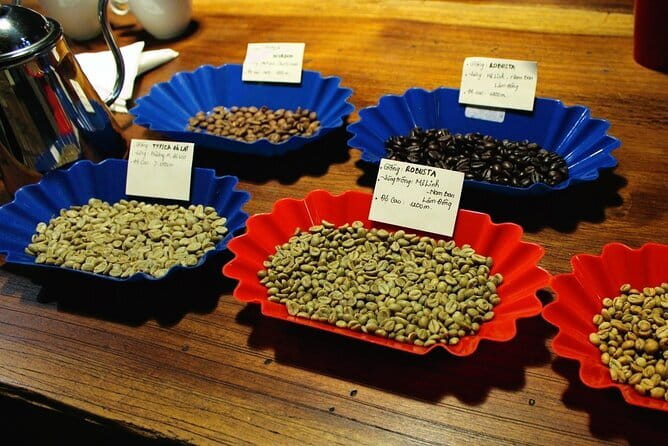
REVIEW · HO CHI MINH CITY COFFEE TOURS
Hands-on making 3 Iconic Coffees of South Central North Vietnam
Coffee tells Vietnam’s story one cup at a time. This 90-minute workshop with Quynh, the host behind Vietnam Coffee Journey, links four practical coffee drinks to the character of Vietnam’s South, Central coast, and North. You do not just watch a demonstration. You make the drinks yourself, compare a correct phin brew with a deliberately wrong one, and adjust recipes to suit your own taste.
I especially like the small group limit of six, which should give you room to ask questions and handle the equipment. I also like the way the session connects ingredients to regional habits rather than treating coffee as a simple cooking lesson. The main consideration is that this is a focused workshop, not a broad sightseeing tour. If you want street food, markets, and monuments, you will need another activity for those.
Key points at a glance
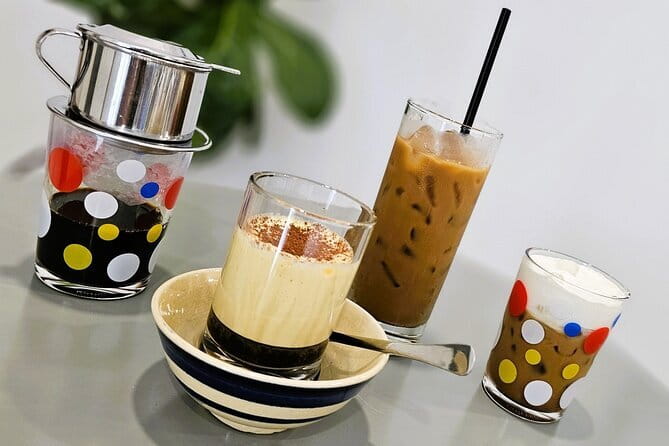
- Four coffees, three regions: Make phin coffee, condensed milk coffee, Central Vietnam salted cream coffee, and Hanoi egg coffee.
- Quynh leads the session: His 16 years in food and beverage work shape the practical advice and cultural stories.
- A useful wrong-versus-right lesson: Quynh prepares a bad phin sample beside the proper version so you can taste the difference.
- A central District 1 location: The workshop begins and ends at 27 Ngô Đức Kế in Bến Nghé, making it easy to pair with time around central Ho Chi Minh City.
- A compact, personal format: The 1.5-hour session accepts a maximum of six people and includes ingredients, equipment, coffee, tea, and cashew nuts.
- Good value for a hands-on class: At $21.69 per person, the price covers instruction, supplies, four drinks, and a cultural introduction.
Why coffee is a useful guide to Vietnam
Vietnam stretches about 1,650 kilometers from north to south. That distance matters at the table. Food, weather, history, and local preferences change as you move between Saigon, the central region, and Hanoi.
Quynh uses coffee to make those differences easy to grasp. Instead of giving you a long lecture on regional identity, he puts a cup in front of you and asks you to notice sweetness, bitterness, texture, and balance. The lesson is simple: people in different parts of Vietnam have shaped coffee around their own circumstances and tastes.
You begin with a short introduction to Vietnamese coffee culture. The goal is not to turn you into a coffee historian. It is to explain how coffee became part of daily life and why the familiar phin filter remains so important.
I like this approach because you leave with something practical. You can repeat the method at home, and you have a better idea of why a drink tastes the way it does.
A few more coffee tours around Ho Chi Minh City worth a look
- Egg coffee & Course on 4 traditional types of Viet coffee
★ 4.9 · 487 reviews - Fun & Easy Vietnamese Coffee Workshop in Hồ Chí Minh City
★ 5.0 · 293 reviews - Vietnamese Coffee & Culture Exploration in Hồ Chí Minh City
★ 5.0 · 202 reviews
Starting with the phin filter
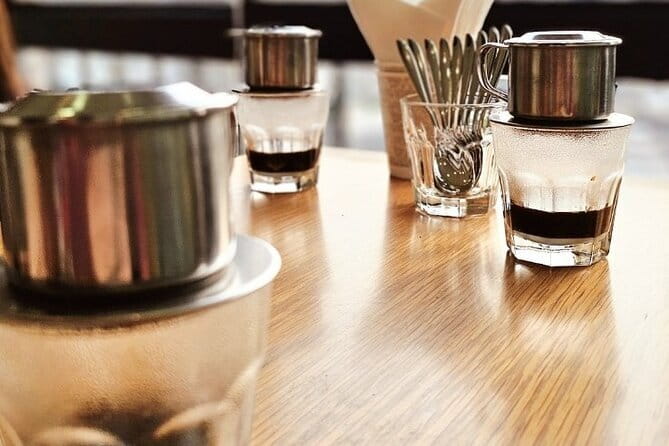
The phin is the small metal filter used for traditional Vietnamese drip coffee. It sits directly on top of your cup and lets coffee drip slowly through a compact brewing chamber.
This workshop gives you a proper hands-on introduction. Quynh shows you the right method, then makes a deliberately incorrect sample at the same time. You can compare the two cups rather than simply trusting a verbal explanation.
That side-by-side test is one of the most useful parts of the experience. A coffee mistake can sound abstract until you taste it. A poor method may produce a weak, harsh, or unbalanced cup, while the better method shows how small choices affect the final drink.
You will work with the ingredients and equipment already prepared. That keeps the session moving and means you are not spending half the class searching for basic tools. Quynh explains what each ingredient does, then lets you take part instead of keeping the process behind a counter.
For coffee fans, this is the technical heart of the class. For people who rarely make coffee, it remains approachable because the comparison gives you an immediate result.
Saigon coffee and the sweet condensed milk cup
The next drink is the famous Vietnamese coffee made with condensed milk. This is the style most closely linked with Saigon and southern Vietnam in the workshop’s regional story.
The drink is sweet, strong, and designed to deliver a clear contrast between concentrated coffee and creamy condensed milk. Quynh explains the ingredient combination and connects it with the character he assigns to southern people and city life.
You will not simply be handed a finished glass. You make the coffee and learn how to adjust it. That matters because Vietnamese coffee can be intense if you are used to lighter brews. You may prefer more milk, less sweetness, or a stronger coffee base.
The class gives you permission to change the balance. That is a small but valuable detail. A recipe is a starting point, not a rule carved into stone.
The southern cup also works well as a first taste of the region’s coffee culture. It is familiar enough to enjoy immediately, but it has more strength and sweetness than many standard café drinks.
Central Vietnam’s salted cream coffee
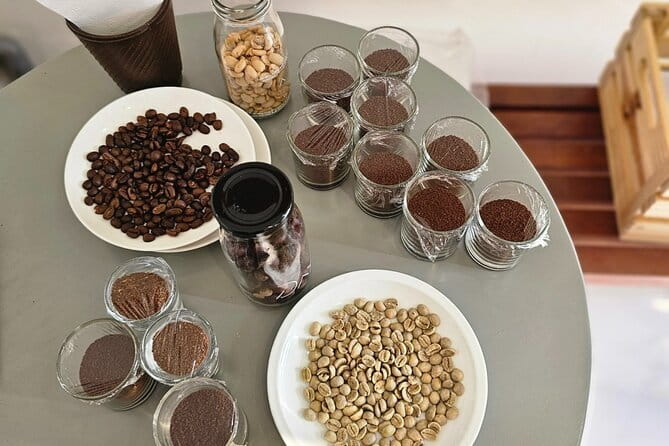
The salted cream coffee represents a newer, more fashionable style from Central Vietnam. Compared with the southern condensed milk drink, it offers a different balance of bitterness, salt, and creamy texture.
Quynh explains the ingredients and the tricks behind the cream. Since the drink depends on contrast, small changes can make a big difference. Too much salt would overwhelm the coffee. Too little would leave you wondering what the point was.
This part of the session is especially useful if you enjoy modern coffee drinks but want to understand where they fit in Vietnamese café culture. It shows that coffee traditions are not frozen in the past. New combinations can become local favorites and carry a regional identity of their own.
You make the drink yourself, so you can see how the cream changes the experience from the first sip to the last. The workshop does not treat salted coffee as a novelty alone. It presents it as a Central Vietnamese preference with its own story and method.
Same place, a different cup:
- Decadent Vietnamese “Egg Coffee” Workshop in Hồ Chí Minh City
★ 5.0 · 150 reviews - Ho Chi Minh City: Fun and Easy Coffee Workshop for Beginners
★ 4.9 · 121 reviews - Techniques & Secrets Behind the Famed Vietnamese Egg Coffee
★ 5.0 · 99 reviews - 1 hour Egg Coffee Cooking Class with Snack and Local Instructor
★ 5.0 · 72 reviews
Hanoi egg coffee and the capital’s character
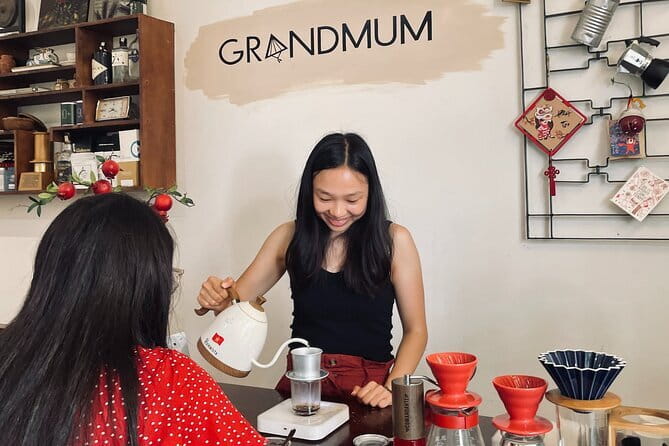
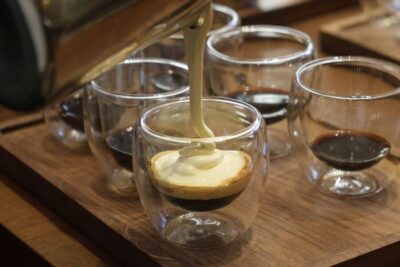
The final major drink is Hanoi egg coffee, one of Vietnam’s most unusual coffee creations. It combines coffee with a rich egg-based topping, producing a cup that feels closer to a dessert than a standard black brew.
Quynh explains how to prepare it and how Hanoi’s character appears through the drink. The result is a useful contrast with the sweeter southern coffee and the salted Central version.
For many people, egg coffee is the drink they most want to understand before visiting Hanoi. It can sound strange on paper, but the hands-on method makes it less mysterious. You see how the topping is prepared and learn why it works with the coffee underneath.
This is also where the cultural side of the class becomes most memorable. The drink is not presented as a random invention. It reflects a place, a period, and local resourcefulness. You come away with a better sense of how Vietnamese café culture can be inventive without losing its link to daily life.
What the 90-minute format feels like
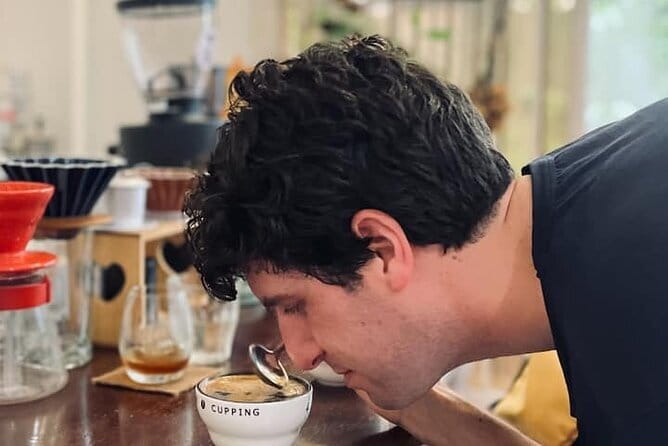
The session lasts about 1.5 hours. That is long enough for four drinks and a cultural explanation, but short enough to fit neatly into a day in Ho Chi Minh City.
You should expect a fairly active class. Quynh explains the drink, prepares examples, and then has you work through the process. The format suits you if you learn by doing. It is less suitable if you want to sit quietly while someone else prepares everything.
The maximum group size is six. That is a real advantage for a lesson involving tasting and equipment. You have a better chance to ask about brewing strength, sweetness, or ingredient combinations without competing with a large room.
The workshop takes place at 27 Ngô Đức Kế in Bến Nghé, District 1. It starts and ends at the same address, so you do not need to arrange a second pickup point. The location is near public transportation and sits in central Ho Chi Minh City, making it practical before or after other city plans.
The setting has been described as an attic workshop with tables and accessories arranged for the class. Do not expect a grand café or a formal culinary school. The appeal is the personal, working setup.
Quynh’s teaching style and the cultural stories
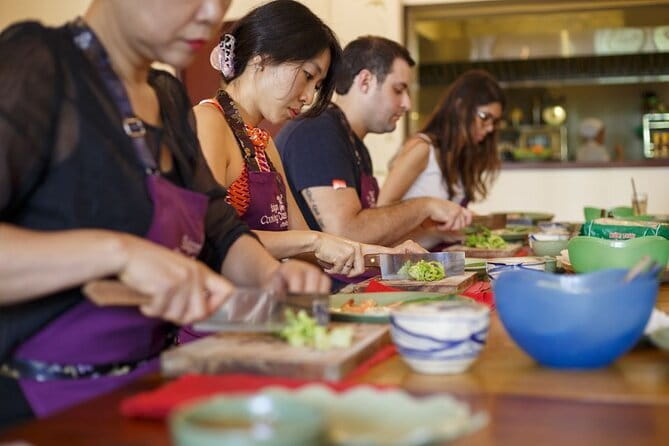
Quynh brings 16 years of food and beverage experience to the session. More important than the number itself is how he uses it. He does not only explain recipes. He connects coffee with local history, regional preferences, and the way people live.
His strong interest in Vietnam’s past and culture shapes the class. You get a short history of coffee in Vietnam, then see that background translated into actual drinks.
The storytelling is a major reason to choose this workshop over simply ordering coffee at a café. You may already know that Vietnamese coffee is strong or sweet. Here, you learn why different preparations developed and how the drinks relate to South, Central, and Northern Vietnam.
The teaching also appears to be friendly and energetic. That matters in a small class because the host sets the tone. A dry demonstration could make 90 minutes feel long. Quynh’s enthusiasm helps keep the workshop conversational and hands-on.
One especially useful feature is his willingness to show what not to do. The incorrect phin sample gives you a clear lesson in cause and effect. You can use that knowledge later when you order or prepare Vietnamese coffee on your own.
What is included for the $21.69 price
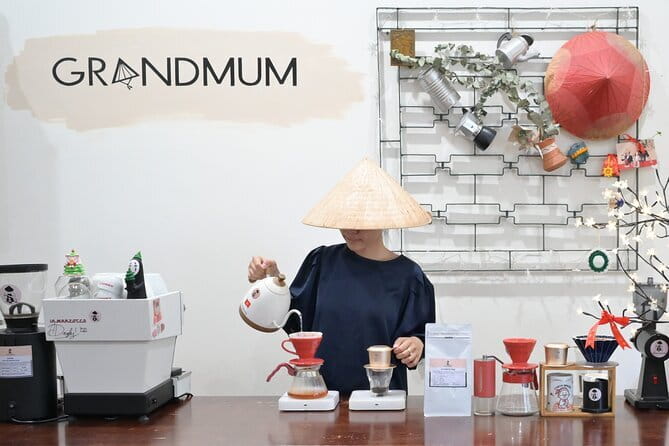
The $21.69 fee covers coffee and tea, four coffee drinks, all ingredients, and the equipment needed for the workshop. Cashew nuts are also provided as a snack, which gives you something to nibble between tastings.
I consider that a fair price for the format. You are paying not only for four drinks, but also for the instruction and the cultural context. A café crawl might let you taste more beverages, but it would not necessarily show you how to make them or explain the regional connections.
The value is strongest if you are curious about coffee beyond taking photographs of attractive cups. You leave with methods you can try again, especially the phin technique and the basic combinations used in condensed milk, salted cream, and egg coffee.
There is also evidence of thoughtful food hospitality in the setup. A banh mi was prepared during one session, described as particularly tasty. Since the stated inclusions specifically promise cashew nuts rather than a full meal, you should treat any extra food as an occasional bonus, not a guaranteed part of the booking.
Who should book this coffee experience
I would recommend this workshop to coffee drinkers, curious food lovers, and anyone who wants a cultural activity with real participation. It works well early in a Ho Chi Minh City stay because it gives you a better understanding of the coffee you will encounter everywhere afterward.
It is also a good choice for a short city visit. The class takes only 90 minutes, remains in central District 1, and returns to the starting point. You can fit it between other plans without giving up half a day.
Families with older children may enjoy the hands-on format, though the available information does not specify a minimum age. People with service animals can bring them, and the meeting point is near public transportation.
I would not choose it as your only introduction to Vietnamese food. The workshop is tightly focused on coffee, with cashew nuts as the listed snack. It also does not replace a street-food walk or a broader city tour.
If you dislike sweet drinks, keep that in mind. Condensed milk and egg coffee both lean toward indulgence, while salted cream coffee offers a different kind of richness. The advantage is that Quynh teaches you how to adjust the recipes, so you are not locked into one level of sweetness or strength.
Planning your visit in District 1
The meeting point is 27 Ngô Đức Kế, Bến Nghé, District 1, Ho Chi Minh City, postal code 70000. The activity ends at the same location.
A mobile ticket is provided, and confirmation arrives at booking. The experience is often reserved about 14 days ahead, so I would not leave it until the final morning of your trip if the timing matters.
The group limit is six, which helps explain why dates may fill in advance. If you need to cancel, you can receive a full refund by canceling at least 24 hours before the local start time. Cancellations or changes made less than 24 hours before the start are not accepted for a refund.
The workshop is best treated as a scheduled appointment rather than a drop-in café stop. Give yourself enough time to reach the central meeting point, especially if you are coming from another part of the city.
Should you book it?
Yes, if you want more than a quick cup of Vietnamese coffee. The strongest reason to book is the combination of tasting, making, and regional storytelling. Quynh gives you practical instruction, then shows how four drinks can reflect different parts of Vietnam.
At $21.69, the class offers solid value for a small group, four drinks, ingredients, equipment, snacks, and 90 minutes of personal guidance. You should skip it only if you want a full food tour, a large sightseeing program, or a quiet café visit with no participation.
For most people interested in Vietnamese food and culture, this is a smart way to spend a short part of a day in Ho Chi Minh City. You will leave with a better phin technique, a few recipes, and a new habit of asking what a local drink says about the place that created it.
FAQ
Where does the coffee workshop begin?
It begins at 27 Ngô Đức Kế, Bến Nghé, District 1, Ho Chi Minh City, postal code 70000.
Where does the activity end?
The activity ends back at the meeting point on Ngô Đức Kế.
How long does the experience last?
The workshop lasts approximately 1 hour and 30 minutes.
How many people can join?
The maximum group size is six people.
Which coffee drinks will I make?
You will make phin coffee, Vietnamese coffee with condensed milk, Central Vietnam salted cream coffee, and Hanoi egg coffee.
Can I cancel for a full refund?
Yes. You must cancel at least 24 hours before the experience start time for a full refund. Changes or cancellations made less than 24 hours before the start are not accepted for a refund.
Just added around Ho Chi Minh City
- Tea & Coffee Experience★ 5.0 · 10 reviews
- Saigon Special Night Coffee Landmark 81 & Food Tour★ 5.0 · 2 reviews
- Private Ho Chi Minh City Tour from Port & Vietnamese Egg Coffee★ 5.0 · 6 reviews
- Sai Gon Special Coffee At Landmark 81 & Street Food tour★ 5.0 · 3 reviews
- Drip Craft Coffee Workshop-Discover 4 Famous Types of Viet Coffee★ 5.0 · 2 reviews
- Discover Vietnam’s Coffee Culture.★ 5.0 · 5 reviews
- [Free E-sim] Half day Instagram Cafe Tour in Ho Chi Minh★ 4.5 · 8 reviews
- Shake & Savor: Coffee-Themed Cocktails from Việt Nam★ 4.9 · 4 reviews
Ho Chi Minh City Coffee Tours, compared.
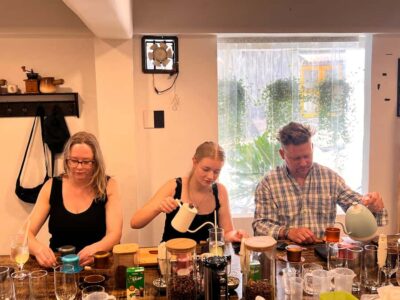
Egg coffee & Course on 4 traditional types of Viet coffee
Read our review →
Fun & Easy Vietnamese Coffee Workshop in Hồ Chí Minh City
Read our review →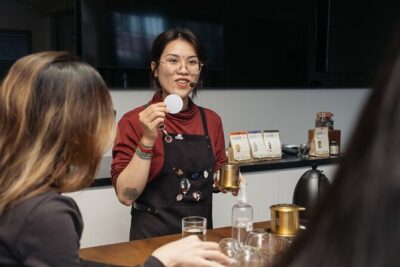
Vietnamese Coffee & Culture Exploration in Hồ Chí Minh City
Read our review →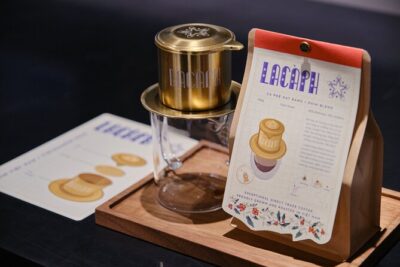
Decadent Vietnamese “Egg Coffee” Workshop in Hồ Chí Minh City
Read our review →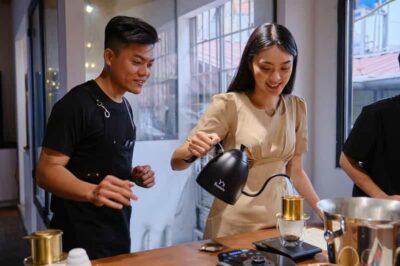
Techniques & Secrets Behind the Famed Vietnamese Egg Coffee
Read our review →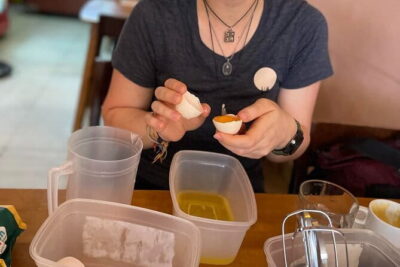
1 hour Egg Coffee Cooking Class with Snack and Local Instructor
Read our review →
Saigon Unseen: Culture, Coffee, Hidden Spots Motorbike Adventure
Read our review →Browse the lists this tour appears in