REVIEW · HO CHI MINH CITY COFFEE TOURS
Drip Craft Coffee Workshop-Discover 4 Famous Types of Viet Coffee
Four cups tell Vietnam’s coffee story. This private Ho Chi Minh City workshop makes coffee more than a drink stop: you learn the method, taste four distinct styles, and hear how coffee fits into local culture. I especially like the hands-on brewing and the chance to compare egg, salt, coconut, and condensed milk coffees side by side.
The $13 price is another strong point. It includes equipment, barista guidance, four tastings, and a question-and-answer session. The main consideration is language: English support is not clearly detailed, and one participant noted that Spanish was not available. If instruction in a particular language matters to you, ask before booking.
Key points at a glance
- Four classic Vietnamese styles: Make and taste egg coffee, condensed milk coffee, sea salt coffee, and coconut milk coffee.
- Traditional drip technique: Learn how to use Vietnamese brewing methods rather than simply ordering a finished cup.
- Private experience: Only your group participates, which gives you more room to ask questions and work at a comfortable pace.
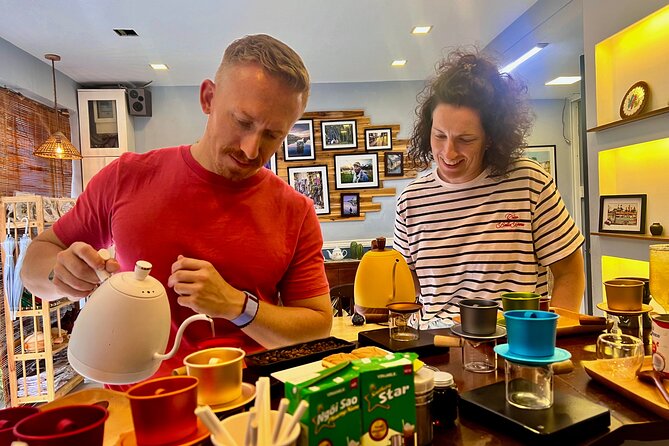
- Barista-led instruction: A head barista guides the process, from steeping and brewing to layering and presentation.
- Good value at $13: Equipment, instruction, four drinks, and a Q&A are included in the two-hour session.
- Vegan options available: Request suitable alternatives when booking if you do not consume dairy or other animal products.
Why Vietnamese coffee works so well as a workshop
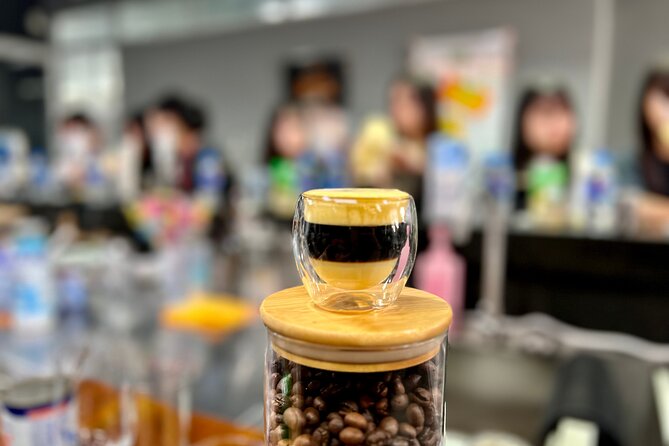
Vietnamese coffee is often presented as a bold meeting of bitter, sweet, creamy, hot, and cold. That makes it unusually well suited to a short class. You are not only tasting four recipes. You are comparing how one strong coffee base changes when paired with egg, condensed milk, sea salt, or coconut milk.
The workshop begins with Vietnam’s coffee story and its cultural importance. The description does not promise a long lecture, and that is probably a good thing. In two hours, you need enough background to understand the drinks, followed by enough practical time to make them yourself.
I like this balance. You get context without giving up the main reason to attend: putting the coffee together with your own hands. If you already know Vietnamese coffee well, the class may feel introductory. If you usually order cà phê sữa đá without thinking about how it is made, the session should add useful detail.
More Coffee Making Classes in Ho Chi Minh City
- Fun & Easy Vietnamese Coffee Workshop in Hồ Chí Minh City
★ 5.0 · 293 reviews - Ho Chi Minh City: Fun and Easy Coffee Workshop for Beginners
★ 4.9 · 121 reviews - Coffee Workshop in Ho Chi Minh City: Discover the art of coffee
★ 5.0 · 35 reviews
Meeting the barista at 131/3 Nguyễn Thị Minh Khai
The workshop starts at 131/3 Nguyễn Thị Minh Khai, Phường Phạm Ngũ Lão, Quận 1, Hồ Chí Minh 711106. It ends at the same location, so you do not need to arrange a separate return transfer.
The meeting point is near public transportation, which helps if you are moving around District 1 without a private car. Bring the mobile ticket shown with your booking, and allow enough time to find the exact address. The listed location includes a small lane-style address, so checking your phone before you set off is sensible.
This is a private activity. Only your group participates, which matters more here than it might on a standard tasting. Coffee preparation involves several small steps, and you can ask the barista to repeat a technique or explain why a drink is layered in a certain way.
The session lasts about two hours. That is long enough for four preparations and tasting, but not so long that the class takes over your day in Ho Chi Minh City. I would schedule it when you have some flexibility afterward, since the drinks include sweet and creamy ingredients and you may want a slower break after the tasting.
Starting with the Vietnamese coffee story
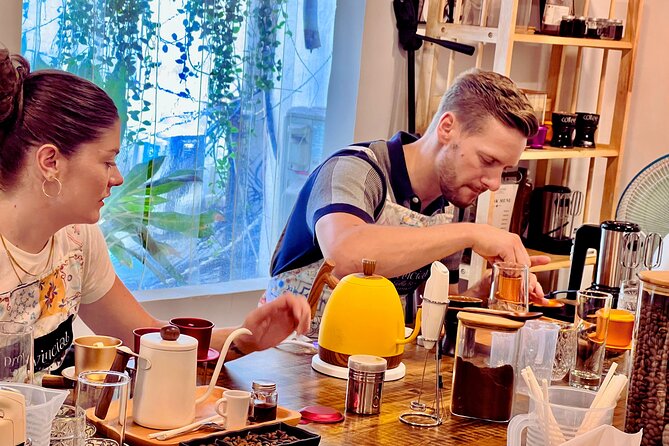
The opening section covers the origins and cultural role of coffee in Vietnam. Specific historical dates or production regions are not provided, so you should expect a practical introduction rather than a full coffee seminar.
Still, this part gives the drinks a useful setting. Vietnamese coffee culture is not just about caffeine. It is also about preparation, presentation, and the pleasure of sitting with a drink that can be strong, sweet, cold, hot, smooth, or foamy.
The barista then introduces traditional drip methods. The focus is on steeping and brewing the cup correctly, along with presentation. You learn why the coffee needs to be balanced with its other ingredients rather than treating the additions as decoration.
That practical emphasis is valuable. A recipe can tell you what to add, but a barista can show you how the texture should look and how the coffee should move through the brewing process. You also get to compare your own result with the finished examples during the tasting.
Making cà phê sữa đá, the familiar starting point
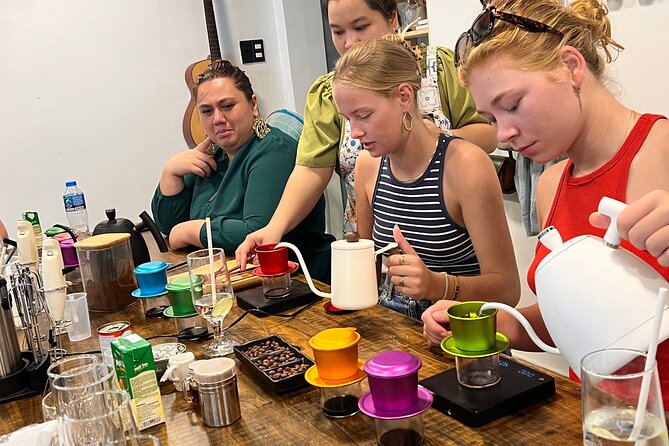
The first drink is cà phê sữa đá, dark roast coffee with condensed milk and ice. It is probably the most familiar of the four, especially if you have already seen Vietnamese iced coffee on café menus outside Vietnam.
The workshop treats it as one of the basic building blocks of local coffee culture. You learn the drip process, then combine the strong coffee with condensed milk before serving it cold.
One useful point is that this drink shows the central contrast running through the whole workshop. The coffee brings bitterness and intensity. The condensed milk brings sweetness and body. Served over ice, the texture and temperature change again.
A participant described this drink as a very basic condensed latte. That is a fair caution if you are looking for four highly unusual recipes. The reward is not novelty here. It is learning the foundation clearly, then using it as a reference point for the egg, salt, and coconut versions.
More Coffee Making Classes in Vietnam
- Ho Chi Minh City: Coconut/Eggs Coffee Making Class
★ 5.0 · 8 reviews - HCMc Egg Coffee Class in 1 hour with local intructor & snack
★ 4.2 · 8 reviews - HCM: Egg Coffee Class with local Instructor & Snack
★ 4.7 · 8 reviews - Hanoi Coffee Workshop: Taste Salt, Coconut and Egg Coffee
★ 5.0 · 1,286 reviews
Building the egg coffee, cà phê trứng lòng đỏ
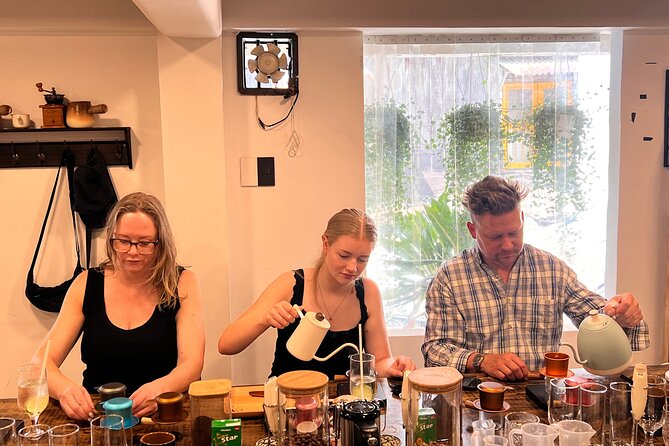
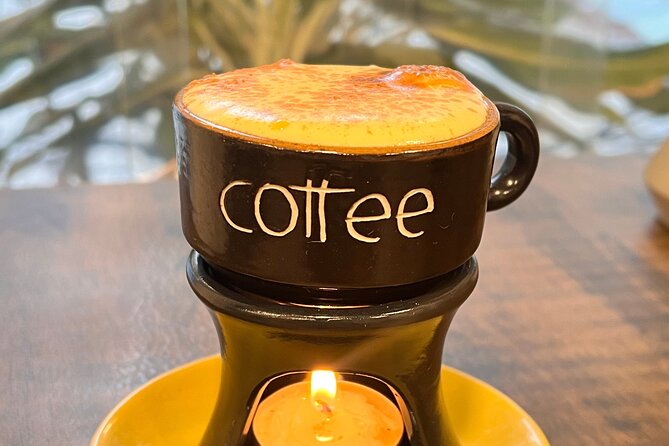
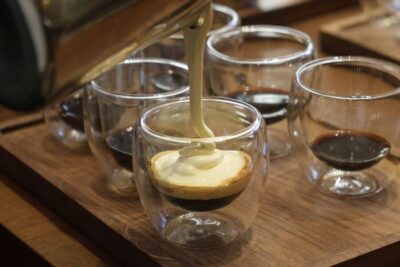
Egg coffee is likely to be the most distinctive preparation in the class. Cà phê trứng lòng đỏ pairs coffee with a rich egg-based topping, creating a contrast between the dark liquid below and the pale, creamy layer above.
The workshop places attention on layering and appearance. You are not simply stirring ingredients into a mug. You are learning how to create a cup that looks as carefully made as it tastes.
This is where the class becomes more than a basic coffee demonstration. The barista can guide you through the texture, the balance between bitterness and sweetness, and the way the topping sits above the coffee. The combination of temperatures and textures is part of the appeal.
The egg coffee received especially strong praise in the available feedback, along with the sea salt version. I can see why. It has a clear sense of occasion, and making the topping yourself gives the drink more character than ordering one already finished.
If you prefer simple black coffee, the sweet, creamy finish may not suit you. But if you want the most distinctive drink of the four, this is the one to watch.
Mixing cà phê muối biển with sea salt
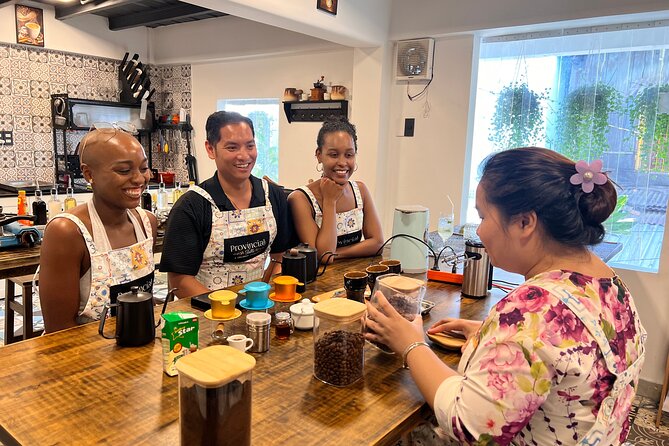
Cà phê muối biển, or sea salt coffee, sounds odd until you understand its purpose. The salt is not there to make the coffee taste salty in the usual sense. It helps shape the contrast between bitter coffee and a creamy, sweet component.
This preparation gives you a useful lesson in restraint. A small change in seasoning can alter the whole cup. The point is not to overpower the coffee, but to soften and frame its darker notes.
A participant described the salt coffee as spectacular, and it was one of the two drinks singled out for special praise. That makes it a strong reason to choose this workshop over a general café tasting. You get to see how a simple ingredient changes the drink and how presentation affects the first impression.
The sea salt coffee also gives you something to discuss during the Q&A. Ask the barista how much salt is appropriate, how the texture should feel, and how the drink should be layered. The exact technique is more useful than taking home a recipe with vague measurements.
Finishing with coconut milk coffee
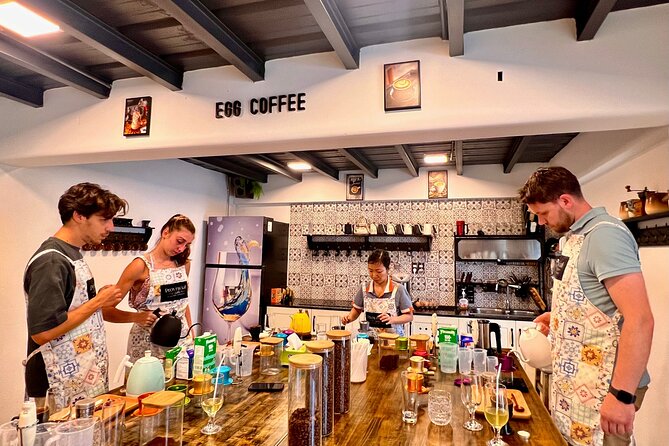
The fourth drink is cà phê cốt dừa, coffee with coconut milk. It brings a softer, more tropical note to the tasting and provides a contrast with the darker condensed milk preparation.
Coconut milk changes both flavor and mouthfeel. It can make the coffee feel rounder and less direct, especially beside the sharper bitterness of a dark roast. The workshop lets you compare that effect with the richness of egg and the seasoning of salt.
This drink may be the least surprising for anyone who already enjoys coconut-based desserts or drinks. Even so, it rounds out the four-part tasting well. You get four different ways to soften or reshape strong coffee, and the differences are easier to notice when sampled in one sitting.
The class description calls these four of Vietnam’s traditional coffee styles. One participant described them as the four basics, while also noting that the condensed milk drink felt especially simple. That is useful context: this is an introduction to well-known formats, not a specialist course in rare beans or advanced café craft.
Learning presentation, texture, and temperature
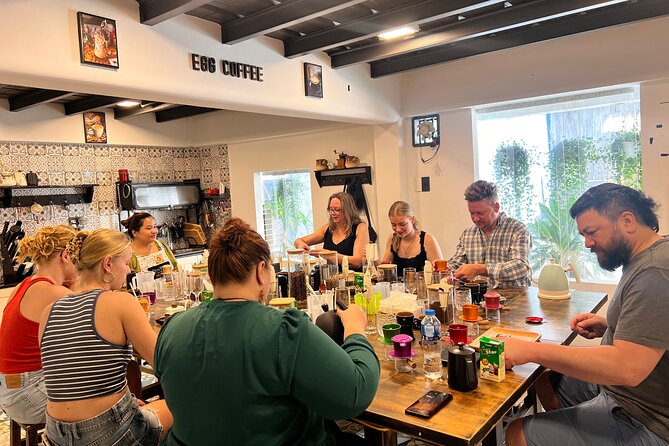
A key part of the class is visual presentation. You learn to make cups that show their layers rather than mixing everything together at once.
That matters because these drinks are built around contrast. Dark coffee under a pale topping, ice against warm brewed coffee, creamy ingredients against a bitter base: each cup has a different look and feel before you take the first sip.
The barista also guides you through the relationship between texture and temperature. The experience asks you to notice more than taste. Is the topping light or dense? Does the coffee remain hot beneath it, or is it served chilled? Does the sweetness soften the bitterness without hiding it?
I like that the class treats these details as part of the drink, not as fussy extras. You leave with a better sense of why Vietnamese coffee often looks layered and dramatic, even when the ingredient list is short.
The Q&A and Vietnam’s changing coffee culture
The final Q&A gives you time to ask about the techniques, ingredients, and coffee culture you have just encountered. It also includes a discussion of how coffee culture in Vietnam continues to change.
This closing conversation is useful because the four drinks are traditional, but coffee habits do not remain fixed. The session connects the older drip method with the way coffee is prepared and presented today.
Since the workshop is private, you can use this time well. Ask about adapting the recipes at home, the best order for tasting the four drinks, or which preparation is most difficult to get right. The supplied details do not promise printed recipes or take-home ingredients, so think of the Q&A as your chance to record the practical advice you most want to remember.
Is $13 a good value?
At $13 per person, this is a strong-value food and drink activity. You receive roughly two hours of instruction, use of all necessary equipment, four coffee preparations, tastings, and direct access to a barista.
The price also compares well with paying separately for four drinks at cafés, though the real value is the method. You are learning how the drinks are made rather than only consuming them.
The private format improves the value for couples, families, or small groups with a shared interest in food. A larger commercial class might cost more while giving you less time to ask questions. On the other hand, coffee experts seeking advanced brewing theory, bean sourcing, or detailed roasting instruction may find the class too basic.
The four drinks also vary in complexity. Cà phê sữa đá is a familiar foundation, while egg coffee and sea salt coffee offer the most distinctive lessons. If you choose the workshop mainly for unusual flavors, those two preparations are likely to justify the booking.
Who should book this workshop?
I would recommend it to anyone who enjoys Vietnamese food culture and wants a practical activity in District 1. It suits first-time visitors to Ho Chi Minh City, coffee fans, couples, and small private groups.
It is also a good rainy-day plan because the experience centers on making and tasting rather than sightseeing. The two-hour length fits neatly into a day of exploring without requiring a full-day commitment.
You should think twice if you dislike sweet coffee, creamy textures, egg-based toppings, coconut milk, or condensed milk. The class is built around those contrasts, not around black coffee alone.
Language is another point to check. One participant specifically noted that the experience was not available in Spanish. The available details do not state every language used by the barista, so contact the provider before booking if you need Spanish or another language.
Vegan options are available upon request. Make that request before the session so the barista can prepare suitable alternatives.
Cancellation and booking advice
Confirmation is provided at the time of booking, and the experience uses a mobile ticket. You can cancel for a full refund up to 24 hours before the local start time.
Cancellations or changes made within 24 hours are not refunded or accepted. That policy is reasonable, but keep it in mind before booking around uncertain plans.
Should you book Drip Craft Coffee Workshop?
Book it if you want to understand four familiar Vietnamese coffee styles by preparing them yourself. The egg coffee and sea salt coffee are the strongest reasons to go, while the traditional drip instruction gives the session lasting value beyond the tasting.
At $13, the workshop offers a lot for two hours, especially because it is private and includes equipment, barista guidance, four drinks, and Q&A time. I would skip it only if you want advanced coffee training, dislike sweet and creamy drinks, or need a language that the provider has not confirmed.
For most food-focused visitors in Ho Chi Minh City, this is a practical, affordable way to spend part of an afternoon and leave with a clearer understanding of what makes Vietnamese coffee so distinctive.
FAQ
How long does the Drip Craft Coffee Workshop last?
The workshop lasts approximately two hours.
Where does the workshop start?
It starts at 131/3 Nguyễn Thị Minh Khai, Phường Phạm Ngũ Lão, Quận 1, Hồ Chí Minh 711106, Vietnam.
Where does the experience end?
The activity ends back at the same meeting point.
Which Vietnamese coffees will I make?
You will make egg coffee, cà phê trứng lòng đỏ, dark roast condensed milk coffee, cà phê sữa đá, sea salt coffee, cà phê muối biển, and coconut milk coffee, cà phê cốt dừa.
Is this a private activity?
Yes. Only your group participates in the activity.
Are vegan options available?
Yes. Vegan options are available upon request.
Can I cancel for a full refund?
Yes. You can cancel at least 24 hours before the experience start time for a full refund. Cancellations or changes made less than 24 hours before the start time are not refunded or accepted.
More Vietnamese Coffee Experiences in Ho Chi Minh City
- Egg coffee & Course on 4 traditional types of Viet coffee
★ 4.9 · 487 reviews - Vietnamese Coffee & Culture Exploration in Hồ Chí Minh City
★ 5.0 · 202 reviews - Vietnam Coffee Journey – Make extraordinary tasty coffee yourself
★ 5.0 · 30 reviews - Ho Chi Minh Street Food Tour and Vietnamese Coffee
★ 5.0 · 28 reviews
Just added around Ho Chi Minh City
- Saigon Special Night Coffee Landmark 81 & Food Tour★ 5.0 · 2 reviews
- Tea & Coffee Experience★ 5.0 · 10 reviews
- Hands-on making 3 Iconic Coffees of South Central North Vietnam★ 5.0 · 14 reviews
- Private Ho Chi Minh City Tour from Port & Vietnamese Egg Coffee★ 5.0 · 6 reviews
- Sai Gon Special Coffee At Landmark 81 & Street Food tour★ 5.0 · 3 reviews
- [Free E-sim] Half day Instagram Cafe Tour in Ho Chi Minh★ 4.5 · 8 reviews
- Discover Vietnam’s Coffee Culture.★ 5.0 · 5 reviews
- Shake & Savor: Coffee-Themed Cocktails from Việt Nam★ 4.9 · 4 reviews
Ho Chi Minh City Coffee Tours, compared.
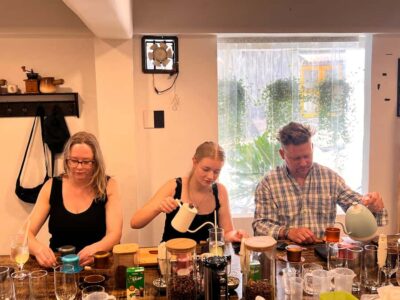
Egg coffee & Course on 4 traditional types of Viet coffee
Read our review →
Fun & Easy Vietnamese Coffee Workshop in Hồ Chí Minh City
Read our review →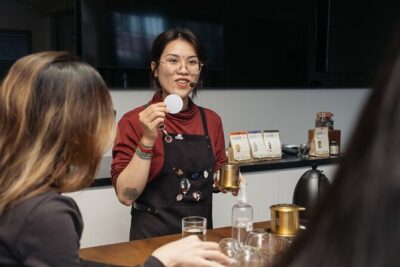
Vietnamese Coffee & Culture Exploration in Hồ Chí Minh City
Read our review →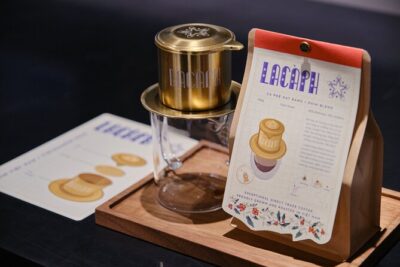
Decadent Vietnamese “Egg Coffee” Workshop in Hồ Chí Minh City
Read our review →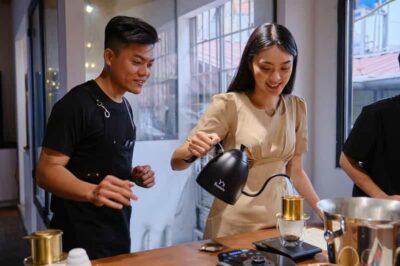
Techniques & Secrets Behind the Famed Vietnamese Egg Coffee
Read our review →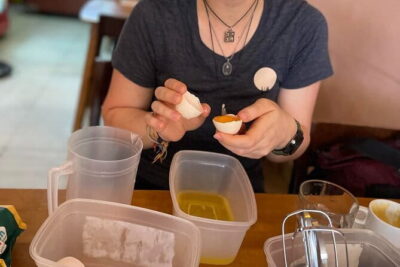
1 hour Egg Coffee Cooking Class with Snack and Local Instructor
Read our review →