
REVIEW · HO CHI MINH CITY COFFEE TOURS
Vietnamese Coffee & Culture Exploration in Hồ Chí Minh City
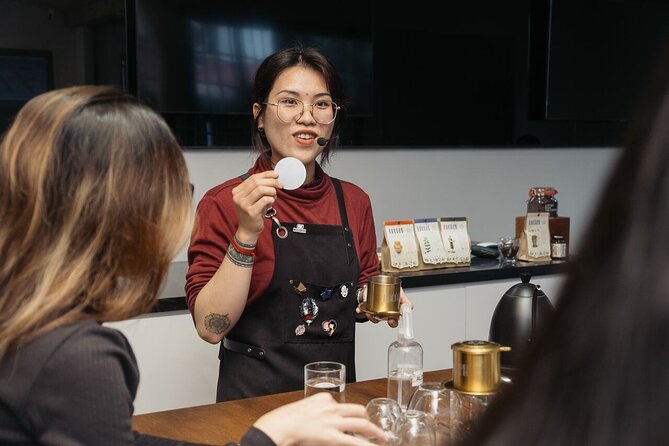
Coffee tells Vietnam’s story. This 2.5-hour morning experience at Lacàph Coffee covers roasting, brewing, regional traditions, and two different blends in a polished setting. I especially like the hands-on format and the short films that connect coffee with Hà Nội, Đà Lạt, and Chợ Lớn. The main consideration is that egg coffee is not guaranteed, so book this for a broad coffee lesson rather than one specific drink.
The $29.68 price feels fair for the amount of tasting, teaching, and guided activity included. Guides such as Sui, Abby, Vi, Joey, and Tri have made a strong impression with their friendly teaching style. You should arrive ready to taste several coffees, though you may want to skip your usual morning cup first.
Key points at a glance
- Roast beans in front of you: Hear the Lacàph Phin Blend crackle and smell it as a small batch is roasted.
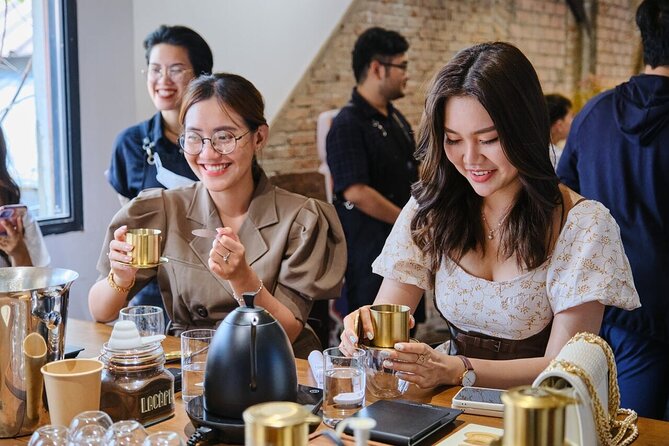
- Brew two Lacàph blends: The session gives you more than a simple tasting, with guided preparation and explanation.
- Learn through film and stories: Short in-house videos connect coffee with Hà Nội, Đà Lạt, and Chợ Lớn in Sài Gòn.
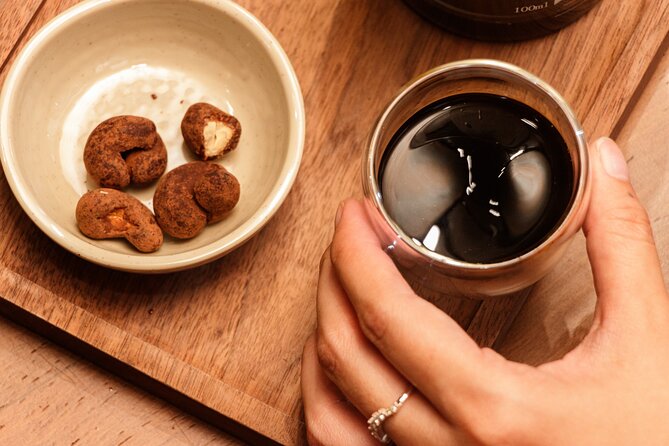
- Enjoy coffee with small snacks: Cocoa cashews and other sweet treats help balance the strong flavors.
- Meet at a central District 1 café: The experience begins and ends upstairs at 220 Nguyễn Công Trứ.
- Keep your afternoon free: The 10:00 am start and roughly 2.5-hour length fit neatly into a busy Ho Chi Minh City day.
What this Ho Chi Minh City coffee experience is really about
Vietnamese coffee is not just a strong drink served over ice. It reflects farming regions, roasting choices, brewing tools, local tastes, and the French influence that helped shape the country’s coffee trade. This experience gives you a compact introduction to those connections without taking up an entire day.
I like that the program treats coffee as both a beverage and a cultural subject. You are not simply handed a cup and told what you are drinking. You learn about origins and types of Vietnamese coffee, watch beans roast, brew coffee, and use sight, smell, sound, and taste along the way.
The setting is Lacàph Coffee’s upstairs Coffee Experiences Space at 220 Nguyễn Công Trứ in District 1. That address puts you in a central part of Ho Chi Minh City, near public transportation and within easy reach of many other sights. The activity returns to the same meeting point, so you do not need to plan a complicated transfer at the end.
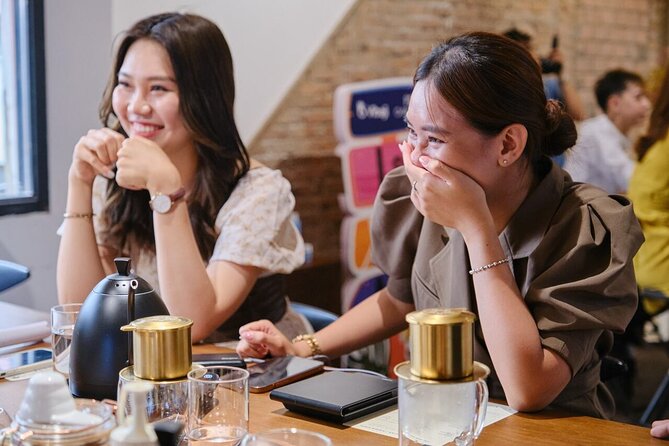
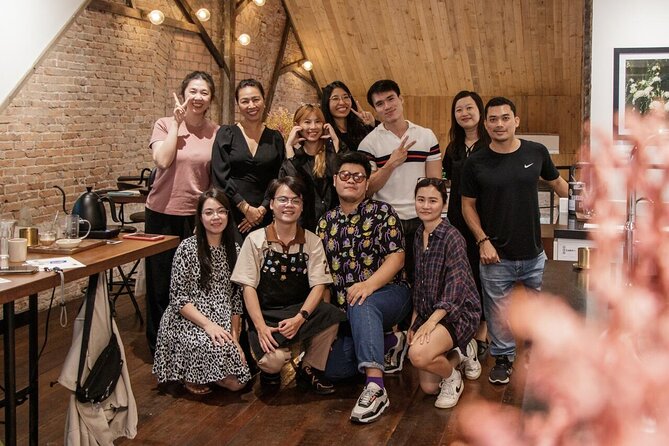
The group can include up to 18 people. That is large enough for a social class but still small enough for a guide-led demonstration to work well. If you prefer a private lesson with constant one-to-one attention, this may feel more like a group workshop. For most people, the limited size should keep the session manageable.
More Vietnamese Coffee Experiences in Ho Chi Minh City
- Egg coffee & Course on 4 traditional types of Viet coffee
★ 4.9 · 487 reviews - Fun & Easy Vietnamese Coffee Workshop in Hồ Chí Minh City
★ 5.0 · 293 reviews - Vietnam Coffee Journey – Make extraordinary tasty coffee yourself
★ 5.0 · 30 reviews
Starting with a sensory coffee lesson
The opening uses a multi-sensory experiment to prepare you for the rest of the session. The purpose is practical: coffee has more to offer than bitterness or caffeine. Aroma, texture, sound, and appearance all help you understand what is in the cup.
This beginning also gives the guide a useful way to bring the group together. Rather than launching straight into dates and production facts, the session starts with direct observation. You get a reason to pay attention to the details that often disappear when coffee is swallowed too quickly.
I appreciate this approach because Vietnamese coffee can be powerful. A little context helps you separate the character of the beans from the sweetness of condensed milk or the chill of ice. If you normally drink coffee as a quick morning habit, this encourages you to slow down and notice what you are tasting.
The exact flow may vary with the guide and group. Sui has been praised for making the class clear and enjoyable, while Abby has been singled out for explaining the origins and variations of Vietnamese coffee. Vi has also been described as friendly and well informed. Those personal teaching styles matter here because the value of the experience depends heavily on how well the guide turns technical details into an easy conversation.
Brewing two Lacàph blends by hand
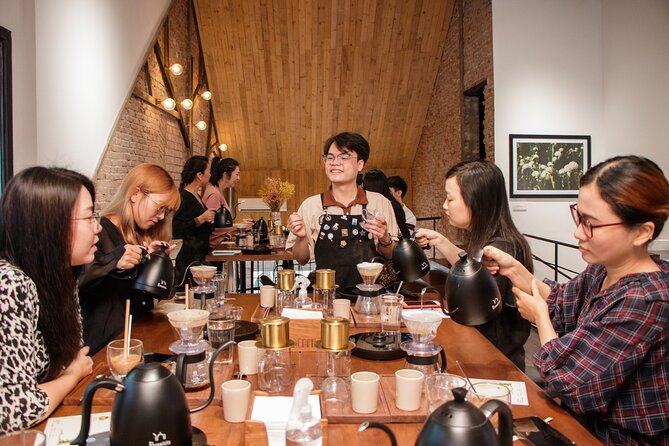
The central activity is the guided preparation of two Lacàph coffee blends. This is one of the strongest reasons to choose the session over a standard café visit. You do not only compare finished drinks. You take part in the brewing process and learn how different blends can produce different flavors.
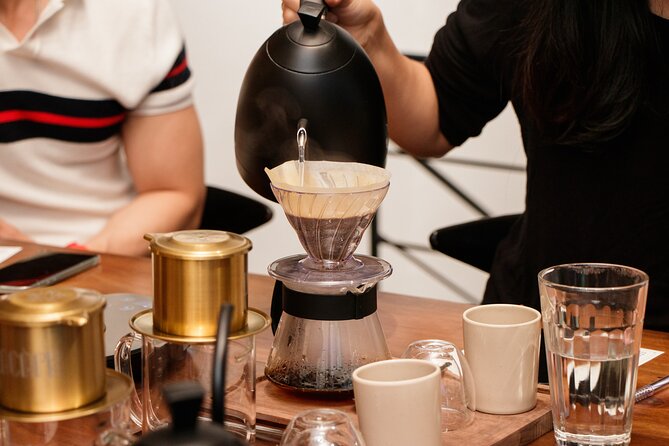
The program includes phin coffee, the slow drip style closely linked with Vietnamese café culture. The small metal filter sits over the cup while coffee passes through gradually. That method helps explain why Vietnamese coffee often feels concentrated and why condensed milk, ice, or other additions work so well with it.
You also learn pour-over preparation and salted coffee, according to the experience details provided by participants. These styles give the session a useful range. Phin brewing shows a traditional Vietnamese method, while pour-over offers a different way to control extraction. Salted coffee introduces the sweet and savory balance that has become popular in Vietnam.
The tasting is not presented as a competition where you need a trained palate. You can simply notice which cup feels heavier, sweeter, sharper, or more aromatic. I find that this makes the activity suitable for a regular coffee drinker, not only for someone who owns expensive brewing equipment at home.
The two-blend format also gives the price more weight. At $29.68 per person, you are paying for instruction, several coffee preparations, snacks, and a structured cultural lesson. A few café drinks might cost less, but they would not include the roasting demonstration, films, or guidance.
Hearing the Phin Blend crackle during roasting
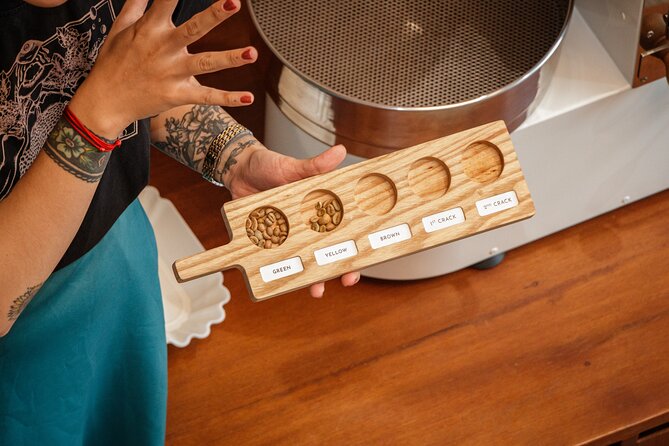
One of the most memorable parts is the small-batch roasting of the Lacàph Phin Blend. You hear the beans crackle as they roast and smell the changing aroma. That brief demonstration makes the roasting process feel physical and immediate.
Coffee often reaches you in a finished bag or a polished cup. Watching a small batch roast helps close that gap. You can connect the beans in your cup with heat, sound, and scent before brewing begins.
The program does not suggest that you roast a large quantity yourself. This is a demonstration within the larger lesson, and that is probably the right balance for a two-hour session. A full roasting workshop would require more time and could leave less room for tasting and cultural explanation.
If you care about coffee production, this moment may be worth the booking by itself. If you are mainly interested in drinking Vietnamese iced coffee, you may find the technical side more detailed than expected. The good news is that the roasting is short and tied directly to the blend you later use.
Same place, a different cup:
- Decadent Vietnamese “Egg Coffee” Workshop in Hồ Chí Minh City
★ 5.0 · 150 reviews - Ho Chi Minh City: Fun and Easy Coffee Workshop for Beginners
★ 4.9 · 121 reviews - Techniques & Secrets Behind the Famed Vietnamese Egg Coffee
★ 5.0 · 99 reviews - 1 hour Egg Coffee Cooking Class with Snack and Local Instructor
★ 5.0 · 72 reviews
Linking coffee with Hà Nội, Đà Lạt, and Chợ Lớn
The cultural section uses an in-house mini-documentary series to move from Hà Nội to Đà Lạt and then to Chợ Lớn in Sài Gòn. This helps place coffee within different parts of Vietnam rather than treating it as one uniform national habit.
Hà Nội, Đà Lạt, and Chợ Lớn each suggest a different setting and coffee tradition within the country. The films give the lesson a wider frame, showing that coffee culture changes from place to place. You get a sense of how regional identity and local café customs fit into the drinks being prepared in front of you.
I like this part because it adds meaning without requiring a separate day trip. You can learn about places beyond Ho Chi Minh City while staying at the café. For someone with only a short visit, that is efficient.
The films also break up the hands-on work. Coffee preparation can become repetitive if every stage is explained at the counter. A short visual story gives you another way to absorb the material and keeps the pace varied.
Still, this is a compact introduction, not a full course in Vietnamese history or coffee farming. You should expect selected stories and clear highlights rather than a long academic presentation. The strength is accessibility: the subject stays connected to what you are tasting.
Sweet treats that make the coffee easier to taste
Light snacks are included, and cocoa cashews have received particular praise. Small bites matter here because Vietnamese coffee can be intense, especially when several styles are served in one morning.
The snacks offer a little contrast between tastings. Sweet and salty flavors can help you notice how coffee changes when paired with food. They also make the class feel more relaxed than a technical tasting where you sit with an empty stomach and a row of strong cups.
Do not book this as a full breakfast. The food is described as light snacks, not a meal. Since the start time is 10:00 am, you may want to eat beforehand if you usually need a substantial breakfast. At the same time, arriving overfull could make several tastings less enjoyable.
The best practical tip is to arrive lightly caffeinated or not caffeinated at all. One morning coffee before the class, followed by multiple preparations during the session, could leave you buzzing. The session is designed for tasting, so pace yourself rather than finishing every cup quickly.
How the guides shape the experience
The guide is central to this activity. Coffee equipment and beans can be interesting, but the lesson needs a clear voice to connect them. The strongest guide feedback centers on warmth, clarity, and enthusiasm rather than on flashy presentation.
Sui has been praised for being a good teacher and for explaining the material with real energy. Abby has led sessions covering coffee origins, egg coffee, salted coffee, and Vietnamese iced coffee with condensed milk. Vi has been described as friendly and well prepared, while Joey has been praised for making the class informative and good value. Tri has also been involved in the cultural presentation.
That range of names suggests a team-based experience rather than a single fixed host. Your guide will affect the pace and personality of the morning. The common thread is a conversational class where questions and stories are part of the experience.
One useful point of balance: egg coffee may be discussed or shown as part of Vietnam’s coffee traditions, but it is not guaranteed as a hands-on activity. One person specifically wanted to make egg coffee and found that it did not happen. If that drink is your main goal, confirm before booking or choose a café visit focused on egg coffee.
A tote bag has also been included in at least one session. It should be treated as a possible extra rather than the reason to book, since the core value is the teaching and tasting.
Timing, location, and the value of a short morning
The experience starts at 10:00 am and lasts about two hours and 30 minutes. That timing is one of its practical strengths. You can spend the morning learning about coffee and still have most of the afternoon for markets, museums, riverfront walks, or other District 1 plans.
The meeting point is upstairs at Lacàph Coffee Experiences Space, 220 Nguyễn Công Trứ, Phường Nguyễn Thái Bình, Quận 1, Ho Chi Minh City. Make sure you go to the experience space upstairs rather than assuming any nearby café entrance is the correct place.
The activity ends back at the meeting point. That simplicity is helpful in a city where crossing districts can take time. You can leave your morning plan open without arranging a separate ride from a distant neighborhood.
A mobile ticket is provided, and booking confirmation arrives at the time of booking. The experience is near public transportation, which makes it easier to reach if you are not staying within walking distance.
The activity is commonly booked about 19 days in advance. That does not mean you must plan exactly that far ahead, but it is a useful sign that you should not wait until the last minute if your dates are fixed. The group limit is 18 people, so popular morning sessions can fill.
Is $29.68 a fair price?
For a standard coffee tasting, $29.68 could seem high compared with buying drinks one by one. This is not a standard tasting, though. The fee covers a structured lesson, coffee made from different blends, roasting, brewing practice, cultural films, and light snacks.
I see the price as fair if you want context and participation. The value is weaker if you only want to sample a famous Vietnamese iced coffee and move on. In that case, a regular café would cost less and give you more freedom.
The experience also saves time. You do not need to research Vietnamese brewing methods, find several coffee styles, or work out which cafés offer a useful introduction. The guide organizes those pieces into one morning.
The polished café setting adds comfort, but it also means the experience may feel more like a branded coffee workshop than a rough-and-ready neighborhood lesson. That is not a flaw for everyone. If you want clean presentation, clear instruction, and an easy introduction, it is a plus. If you want an informal street-stall experience, it may feel too arranged.
Who should book this experience?
I would recommend it to:
- Coffee drinkers who want to understand Vietnamese preparation methods
- First-time visitors who want a short cultural activity in District 1
- Couples or families looking for a shared morning class
- Anyone interested in phin brewing, pour-over coffee, or salted coffee
- People who enjoy tasting with explanation rather than simply ordering a drink
- Visitors with a free afternoon who want to keep the morning focused
It is less suited to you if coffee makes you uncomfortable, if you want a full meal, or if you are booking only for egg coffee. It may also be too introductory for an experienced coffee professional seeking advanced roasting or extraction training.
The experience has a maximum of 18 people, so it is not a private consultation. Still, the short format and guide-led structure should work well for most casual coffee fans.
Cancellation and planning advice
Free cancellation is available if you cancel at least 24 hours before the 10:00 am start time. A cancellation made less than 24 hours before the experience is not refundable, and changes inside that period are not accepted.
I would book once your Ho Chi Minh City schedule is firm, especially because the experience is often reserved ahead of time. On the day, avoid stacking another fixed activity too tightly after it. The advertised duration is about 2.5 hours, and a little extra time is sensible for leaving the café and getting to your next stop.
Should you book the Lacàph coffee experience?
Yes, if you want more than a cup of Vietnamese coffee. The roasting, phin brewing, two Lacàph blends, short films, and snacks create a useful introduction to the country’s coffee culture in one well-timed morning.
I would book it as a cultural class with tasting, not as a guaranteed egg coffee workshop. The $29.68 cost makes sense when you value instruction and variety. Arrive hungry enough for a few snacks, skip or reduce your pre-class caffeine, and leave room in your day afterward. For coffee lovers who want to understand what they are drinking, this is a smart use of a morning in Ho Chi Minh City.
FAQ
Where does the coffee experience begin?
It begins upstairs at the Lacàph Coffee Experiences Space, 220 Nguyễn Công Trứ, Phường Nguyễn Thái Bình, Quận 1, Ho Chi Minh City, Vietnam.
What time does the experience start?
The scheduled start time is 10:00 am.
How long does the experience last?
It lasts approximately two hours and 30 minutes.
Where does the activity end?
The activity ends back at the meeting point at Lacàph Coffee Experiences Space.
How many people can join the experience?
The maximum group size is 18 people.
What coffee activities are included?
You learn about Vietnamese coffee, watch a small batch of the Lacàph Phin Blend roast, and take part in brewing two Lacàph coffee blends. The session also includes coffee culture stories and short in-house films.
Are snacks included?
Yes. Light snacks are included with the coffee tastings. Cocoa cashews are one example of a snack served during the experience.
Can I cancel for a full refund?
Yes, if you cancel at least 24 hours before the experience’s start time. Cancellations made less than 24 hours ahead are not refunded.
Just added around Ho Chi Minh City
- Saigon Special Night Coffee Landmark 81 & Food Tour★ 5.0 · 2 reviews
- Tea & Coffee Experience★ 5.0 · 10 reviews
- Private Ho Chi Minh City Tour from Port & Vietnamese Egg Coffee★ 5.0 · 6 reviews
- Sai Gon Special Coffee At Landmark 81 & Street Food tour★ 5.0 · 3 reviews
- Hands-on making 3 Iconic Coffees of South Central North Vietnam★ 5.0 · 14 reviews
- Drip Craft Coffee Workshop-Discover 4 Famous Types of Viet Coffee★ 5.0 · 2 reviews
- Discover Vietnam’s Coffee Culture.★ 5.0 · 5 reviews
- [Free E-sim] Half day Instagram Cafe Tour in Ho Chi Minh★ 4.5 · 8 reviews
Ho Chi Minh City Coffee Tours, compared.
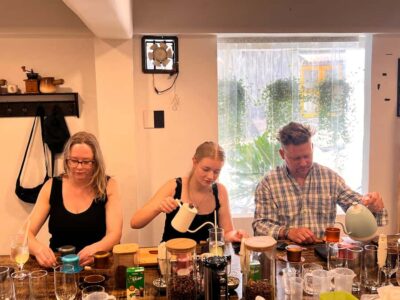
Egg coffee & Course on 4 traditional types of Viet coffee
Read our review →
Fun & Easy Vietnamese Coffee Workshop in Hồ Chí Minh City
Read our review →
Decadent Vietnamese “Egg Coffee” Workshop in Hồ Chí Minh City
Read our review →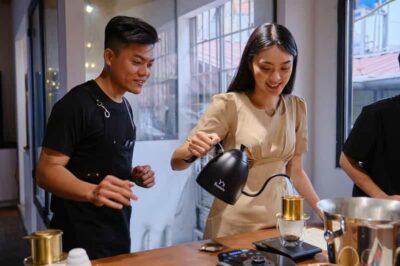

Techniques & Secrets Behind the Famed Vietnamese Egg Coffee
Read our review →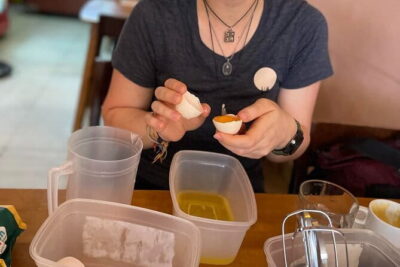
1 hour Egg Coffee Cooking Class with Snack and Local Instructor
Read our review →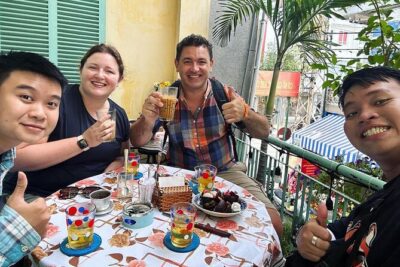
Saigon Unseen: Culture, Coffee, Hidden Spots Motorbike Adventure
Read our review →
Vietnam Flavour: Market-to-Table & The Art of Egg Coffee
Read our review →Browse the lists this tour appears in