
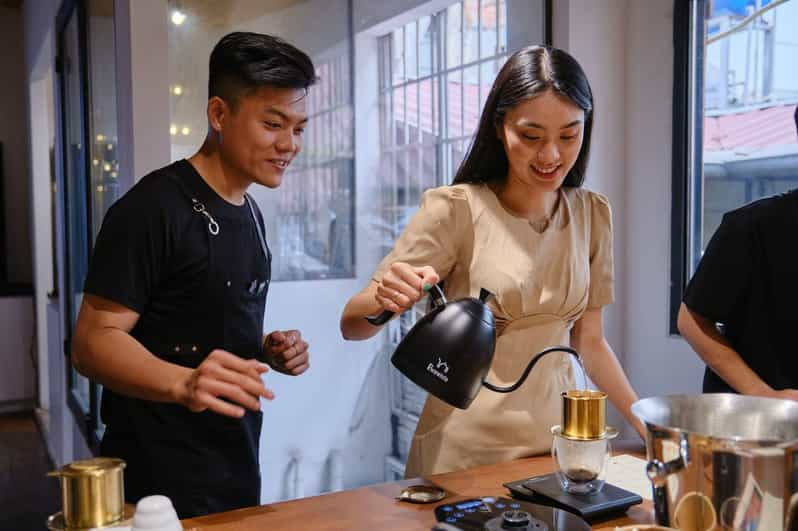
REVIEW · HO CHI MINH CITY COFFEE TOURS
Ho Chi Minh City: Fun and Easy Coffee Workshop for Beginners
Coffee culture is the perfect Saigon introduction. This 90-minute workshop at Lacàph Coffee Experiences Space gives you hands-on practice with a traditional phin filter and three distinct Vietnamese drinks. I like the patient instruction and the mix of coffee tasting with cultural background. The main drawback is that portions are modest, so this is a lesson and tasting rather than a full meal.
I also like the chance to make Cà Phê Muối, the now-famous salt coffee from Huế, and to finish with bánh mì dipped into coffee with honey and yogurt. At $23 per person, the experience offers good value if you want more than a café stop, though it is less appealing if you avoid caffeine, dairy, gluten, or coffee-based flavors.
Key points at a glance
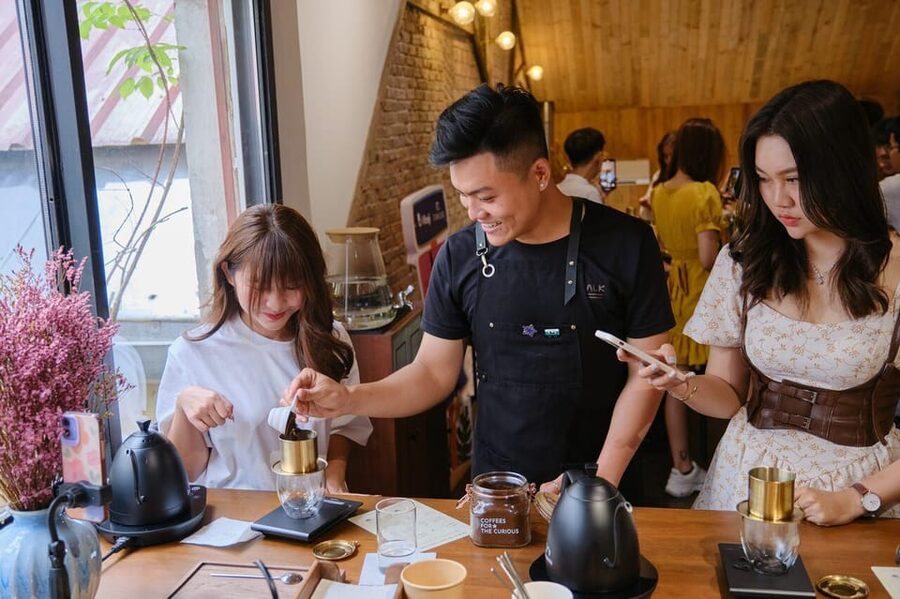
- Three coffees in 90 minutes: Make Bạc Xỉu, Cà Phê Muối, and Phin Con Panna with step-by-step help.
- A real phin filter lesson: Learn how the small metal brewer slowly extracts coffee from freshly roasted beans.
- Salt coffee is the star: Discover how salt and coffee create a smooth, caramel-like flavor.
- Small-group feel: The teaching format leaves room for questions and personal guidance.
- More than a tasting: Photos, videos, coffee stories, and information about local farmers add context.
- Check the address carefully: The workshop takes place at 220 Nguyễn Công Trứ in District 1, not the provider’s other city location.
Starting at Lacàph on Nguyễn Công Trứ
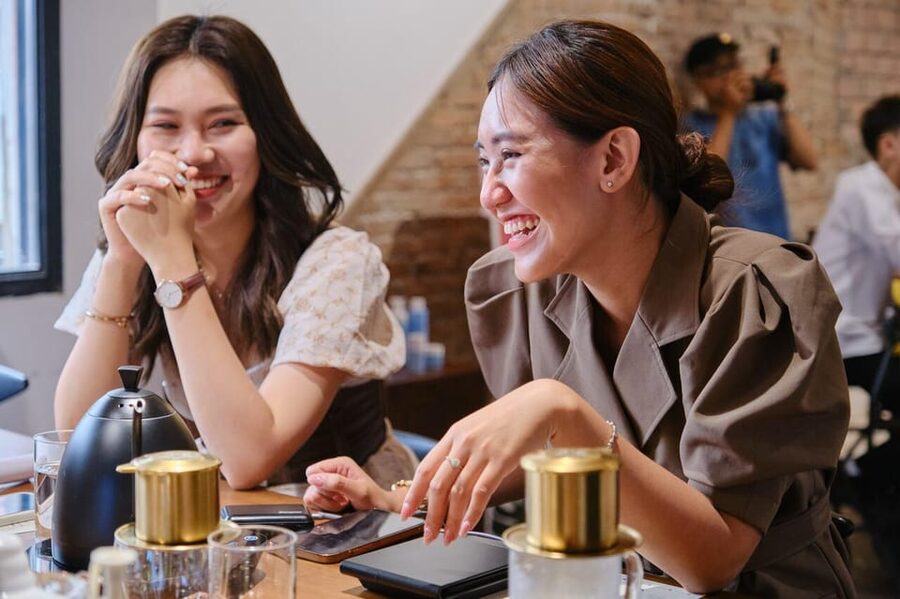
You meet at Lacàph Coffee Experiences Space at 220 Nguyễn Công Trứ, District 1. Lacàph has two locations in Ho Chi Minh City, so checking the address before setting off is important. Arriving at the wrong café is the easiest way to turn a short coffee class into a frustrating start.
The workshop takes place in a polished coffee setting with an adjacent café and shop. Several participants found the room attractive and appreciated having coffee products available to buy afterward. That matters if you want to repeat the lesson at home, since the phin brewer and Vietnamese coffee are central to the experience.
Parking requires a little planning. Motorbike parking is in the basement of building 57 Phó Đức Chính Street. Car parking is available at 8 Tôn Thất Đạm Street. Neither parking area is operated by Lacàph, so you should not expect the workshop staff to manage those arrangements.
The class is offered in English and Vietnamese. Instructors have included Ny, Quan, Sierra, Joey, Vi, Giao, Tram Anh, and others. The strongest part of the teaching is its friendly, careful pace. Quan, Ny, and Sierra were repeatedly praised for making the process clear and personal, while one Japanese participant found the instruction easy to follow while still learning English.
More Coffee Making Classes in Ho Chi Minh City
- Fun & Easy Vietnamese Coffee Workshop in Hồ Chí Minh City
★ 5.0 · 293 reviews - Coffee Workshop in Ho Chi Minh City: Discover the art of coffee
★ 5.0 · 35 reviews - Ho Chi Minh City: Coconut/Eggs Coffee Making Class
★ 5.0 · 8 reviews
Why the phin filter matters
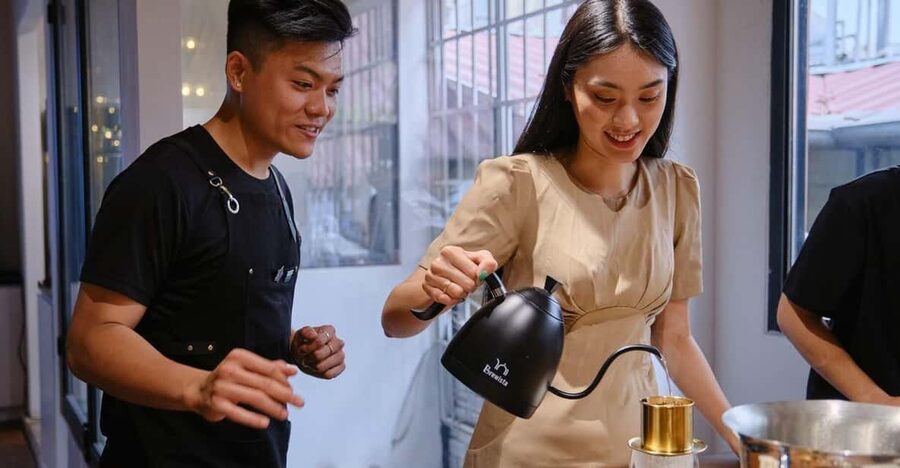
The phin is a small metal filter that sits directly over your cup. It is simple, compact, and slower than a modern espresso machine. That slower pace is part of the experience, since you watch the coffee drip and learn how Vietnamese coffee is traditionally prepared.
The workshop begins with the smell of freshly roasted beans. You are not simply handed a finished drink. You work through the process with an instructor, learning how the coffee, filter, milk, and other ingredients fit together.
This hands-on approach is useful for beginners because the phin can look mysterious at first. The lesson removes that mystery without making coffee preparation feel technical or intimidating. You get to try the method yourself, ask questions, and leave with a clearer idea of how to make Vietnamese coffee at home.
The class also connects the brewing method to coffee production and local communities. Information about the beans, roasting, and support for local farmers gives the workshop more substance than a basic tasting session. You get a small look at the work behind the cup.
Bạc Xỉu: a gentle start with milk
The first featured drink is Bạc Xỉu, a milky Vietnamese coffee made with the phin and freshly roasted beans. It is a good opening drink because the milk softens the coffee’s strength and gives the cup a smoother, sweeter character.
You prepare the drink alongside the instructor, following each step rather than watching from the sidelines. The process introduces the basic rhythm of Vietnamese coffee making before the flavors become more unusual.
Bạc Xỉu may suit you if you like coffee with plenty of milk. It can also work for someone who does not normally drink coffee. One participant who usually avoids coffee still enjoyed all three drinks, especially the salted version. That said, the class is not designed around caffeine-free alternatives, and the drink still contains coffee.
The portion is not large. One four-star assessment specifically pointed out that the coffee servings were small. That is worth knowing before you arrive: you will taste several drinks, but you should not expect large café portions or a full afternoon meal.
Cà Phê Muối and the salt-coffee lesson
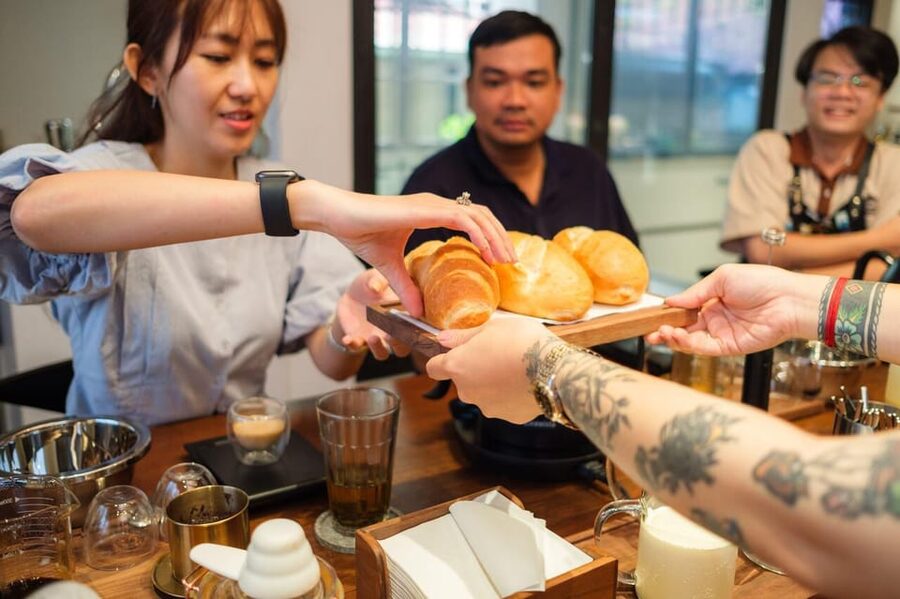
The second drink is Cà Phê Muối, or salt coffee. Its story comes from Huế, and the workshop explains how this unusual combination became famous.
Salt may sound like an odd addition to coffee, but here it is used to shape the flavor rather than make the drink taste salty. The result is described as having a caramel-like quality, with a smoother balance between coffee and sweetness.
This was the drink many participants were most excited to learn. It is also the most useful recipe to take home because it gives you a clear example of how a small ingredient can change the character of familiar coffee.
The instructor explains the drink while you make it, adding cultural context to the practical work. I like this balance. You are not sitting through a long lecture, but you also are not preparing recipes without knowing where they come from.
If you usually order sweet coffee drinks, Cà Phê Muối may be your favorite. If you prefer black coffee, the milk and sweet elements may feel less familiar. The point is not to rank the drinks for you, but to show how broad Vietnamese coffee culture can be.
More Coffee Making Classes in Vietnam
- HCMc Egg Coffee Class in 1 hour with local intructor & snack
★ 4.2 · 8 reviews - HCM: Egg Coffee Class with local Instructor & Snack
★ 4.7 · 8 reviews - Drip Craft Coffee Workshop-Discover 4 Famous Types of Viet Coffee
★ 5.0 · 2 reviews - Hanoi Coffee Workshop: Taste Salt, Coconut and Egg Coffee
★ 5.0 · 1,286 reviews
Phin Con Panna with honey and yogurt
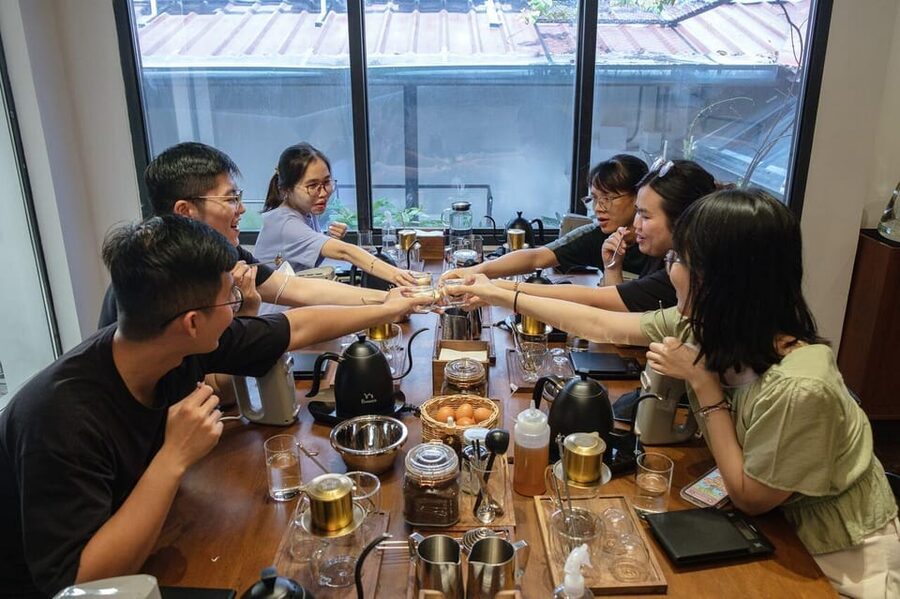
The final coffee is Phin Con Panna, a special combination of yogurt, cream, and raw coffee blossom honey with coffee. This is the most dessert-like preparation of the three.
The use of coffee blossom honey gives the drink a local ingredient and a different sweetness from ordinary sugar. Yogurt and cream add body, making this less like a plain brewed coffee and more like a layered treat.
This section is especially useful if you enjoy unusual café drinks or want to understand why Vietnamese coffee often includes condensed milk, cream, yogurt, or other rich ingredients. It also keeps the class from becoming three versions of the same dark brew.
The rich ingredients do come with limits. The experience is not suitable for people with lactose intolerance, and it is not suitable for vegans. The drinks also include coffee, so anyone with a strong caffeine restriction should take that into account before booking.
Bánh mì turns the tasting into a snack
The workshop finishes with Vietnamese bánh mì as a dessert-style accompaniment. You can dip the bread into coffee with honey and yogurt, creating a sweet, soft combination that is quite different from eating bánh mì as a savory sandwich.
This final touch makes the session feel connected to everyday Vietnamese food rather than focused only on coffee technique. It also gives you something to eat after tasting three drinks.
Do not treat the bánh mì as a full meal. The portions are intended as part of a tasting experience. If you arrive hungry, eat beforehand or plan a proper meal afterward.
The bánh mì also explains one of the activity’s restrictions. The experience is not suitable for people with gluten intolerance. The ingredients listed for the class also make it unsuitable for vegans and people with lactose intolerance.
Teaching style and the 90-minute pace
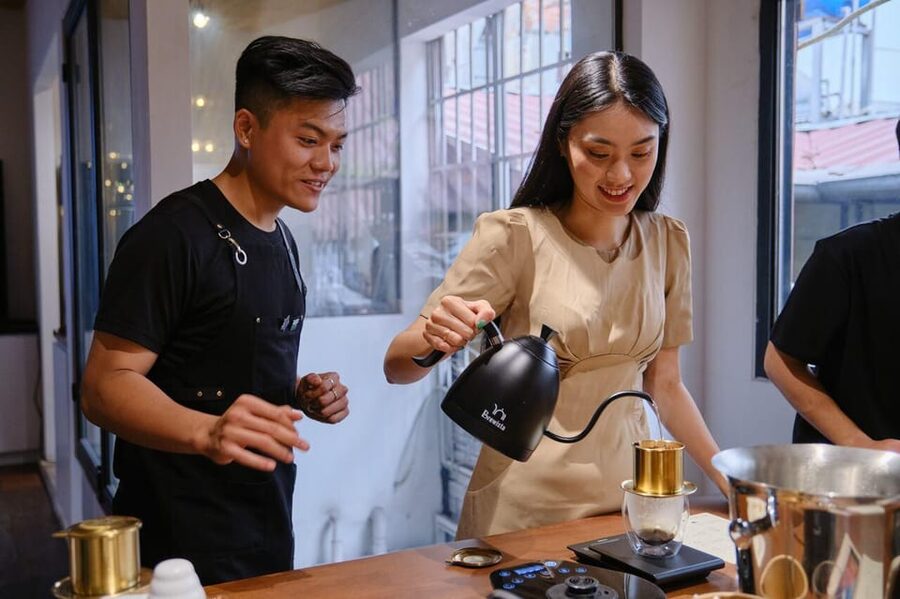
The class lasts 90 minutes, which is long enough to make each drink without taking over half a day. That timing works well in Ho Chi Minh City, where you can fit the workshop between sightseeing, shopping, or an evening meal.
The instruction combines live demonstrations with images and videos. This helps explain the coffee-growing process, brewing techniques, and cultural background without relying only on spoken English.
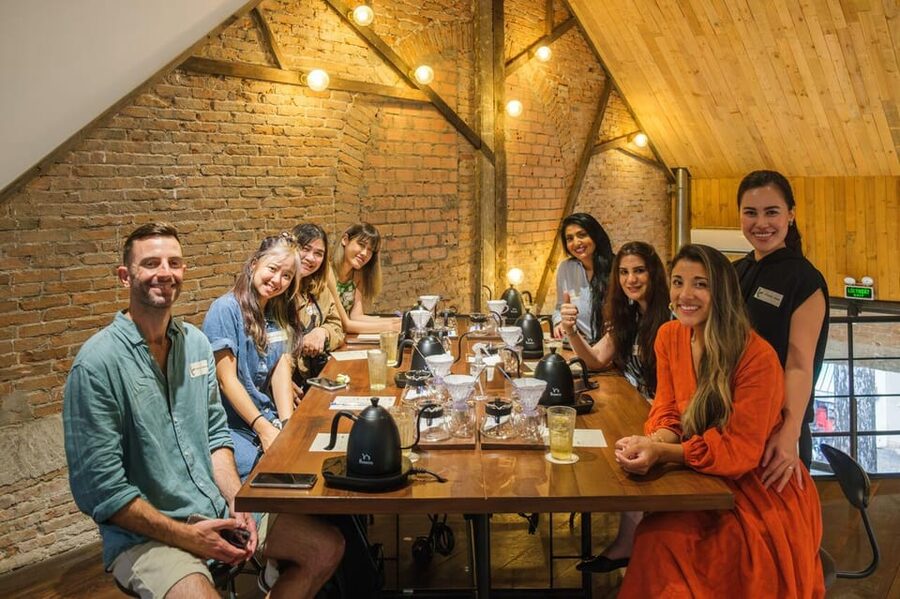
The group format is another strength. Sessions are described as small, giving you a chance to ask questions and receive direct help. The instructors are not simply passing out ingredients. They guide you through the preparation and adjust their explanations to the group.
Ny has been praised for clear instruction and a warm manner. Quan is especially good if you want plenty of coffee detail with a relaxed teaching style. Sierra has been noted for making the class personal and easy to understand. The instructor can vary, but the overall format is built around friendly guidance.
Some sessions have also included a certificate and a personal Polaroid photograph at the end. These extras are not the main reason to book, and you should not treat them as guaranteed unless confirmed for your date. Still, they can make a pleasant souvenir, especially if the workshop is part of a first visit to Vietnam.
How much value do you get for $23?
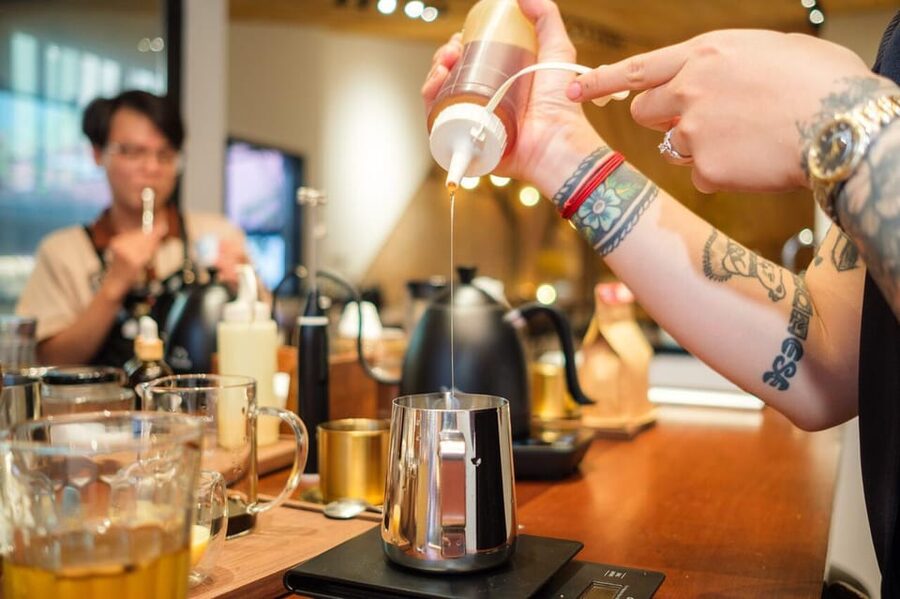
At $23 per person, this is reasonably priced for a guided, hands-on activity in central Ho Chi Minh City. You receive the workshop, three prepared coffee styles, the bánh mì component, instruction in English or Vietnamese, and cultural information about Vietnamese coffee.
The value is strongest if you want to learn a method you can repeat. A regular café visit may cost less, but it will not teach you how to use a phin or explain why salt coffee comes from Huế. The workshop also gives you a chance to compare three recipes in one sitting.
The value is weaker if you only want a large drink or a quick caffeine stop. The servings are small, and the class requires your attention. You are paying for the teaching, tasting, and context, not just the volume of coffee.
The adjacent shop adds another practical benefit. You can look at coffee and brewing products after class, which may help you buy the right equipment for home. There is no claim that purchases are included, so plan to pay separately for anything you take away.
Who should book, and who should skip it?
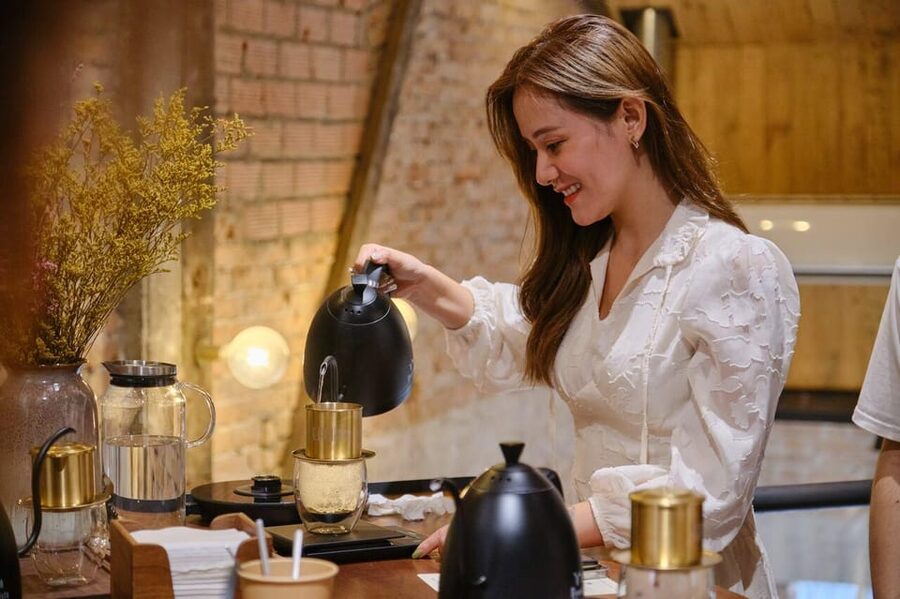
I would recommend this workshop to coffee lovers, curious beginners, and anyone who wants a gentle cultural activity in District 1. It is also a good choice for couples or small groups who want to do something more active than sitting in a café.
You do not need advanced coffee skills. The instruction is designed for beginners, and the focus is on making the drinks alongside the teacher.
It may be a particularly good first-day activity. One participant described it as a caffeine-focused introduction to Vietnamese culture after arriving in the country. The class gives you useful background for understanding the many coffee styles you will see elsewhere in Vietnam.
You should think twice if you dislike milk, cream, yogurt, honey, or sweet coffee. You should also skip it if you are vegan, have lactose intolerance, gluten intolerance, high blood pressure, heart problems, or are pregnant. The activity is not suitable for wheelchair users or children under 18.
If caffeine is a concern, the available information does not describe decaffeinated versions or alternative drinks. Ask the provider before booking rather than assuming substitutions are available.
Practical booking advice
Allow time to reach the correct Lacàph location. The workshop is at 220 Nguyễn Công Trứ, District 1, and not automatically at the provider’s other city site.
You can cancel up to 24 hours before the activity for a full refund. A reserve-now, pay-later option is also available, which helps if your Ho Chi Minh City schedule is still changing.
Starting times vary, so check availability for your chosen date. Since the workshop lasts 90 minutes and includes tasting, it is best placed when you can stay for the full session rather than rushing off halfway through.
Should you book the Lacàph coffee workshop?
Book it if you want to understand Vietnamese coffee by making it yourself. The phin lesson, Huế salt coffee, unusual yogurt and honey drink, and bánh mì finish give you a useful mix of technique, flavor, and local context.
Skip it if you are seeking a full meal, very large servings, or a simple coffee break with no instruction. For everyone else, $23 is a fair price for a friendly beginner class that may send you home with a new brewing habit and a strong preference for Cà Phê Muối.
FAQ
Where does the coffee workshop take place?
The workshop takes place at Lacàph Coffee Experiences Space at 220 Nguyễn Công Trứ, District 1, Ho Chi Minh City. The provider has two locations, so check that you are going to this address.
How long does the workshop last?
The activity lasts 90 minutes. Starting times vary, so check availability for your preferred date.
Which Vietnamese coffees will I make?
You will make Bạc Xỉu, Cà Phê Muối, and Phin Con Panna. The experience also includes a Vietnamese bánh mì dessert.
Is the workshop offered in English?
Yes. The instructor languages are English and Vietnamese.
Is hotel transfer included?
No. Hotel transfer is not included, so you must make your own way to the meeting point.
Can I cancel or pay later?
You can cancel up to 24 hours in advance for a full refund. A reserve-now, pay-later option is also available.
Just added around Ho Chi Minh City
- Saigon Special Night Coffee Landmark 81 & Food Tour★ 5.0 · 2 reviews
- Tea & Coffee Experience★ 5.0 · 10 reviews
- Hands-on making 3 Iconic Coffees of South Central North Vietnam★ 5.0 · 14 reviews
- Private Ho Chi Minh City Tour from Port & Vietnamese Egg Coffee★ 5.0 · 6 reviews
- Sai Gon Special Coffee At Landmark 81 & Street Food tour★ 5.0 · 3 reviews
- Drip Craft Coffee Workshop-Discover 4 Famous Types of Viet Coffee★ 5.0 · 2 reviews
- Discover Vietnam’s Coffee Culture.★ 5.0 · 5 reviews
- [Free E-sim] Half day Instagram Cafe Tour in Ho Chi Minh★ 4.5 · 8 reviews
Ho Chi Minh City Coffee Tours, compared.
Egg coffee & Course on 4 traditional types of Viet coffee
Read our review →
Fun & Easy Vietnamese Coffee Workshop in Hồ Chí Minh City
Read our review →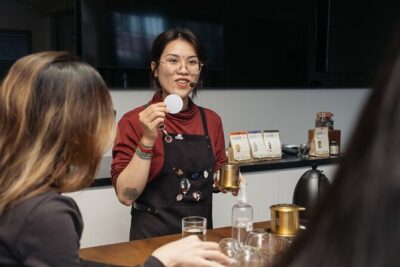
Vietnamese Coffee & Culture Exploration in Hồ Chí Minh City
Read our review →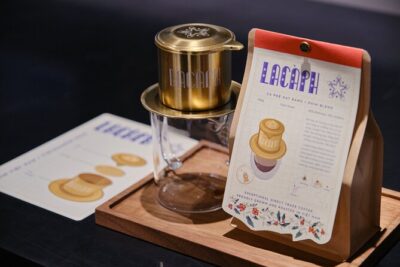
Decadent Vietnamese “Egg Coffee” Workshop in Hồ Chí Minh City
Read our review →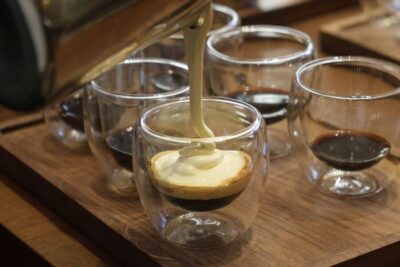
Techniques & Secrets Behind the Famed Vietnamese Egg Coffee
Read our review →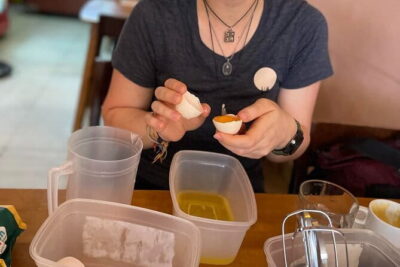
1 hour Egg Coffee Cooking Class with Snack and Local Instructor
Read our review →
Saigon Unseen: Culture, Coffee, Hidden Spots Motorbike Adventure
Read our review →
Vietnam Flavour: Market-to-Table & The Art of Egg Coffee
Read our review →Browse the lists this tour appears in