
REVIEW · JAPAN COFFEE TOURS
Discover Japanese Coffee Brewing Experience at Tokyo
Coffee gets a Japanese makeover here. At Tasse Coffee Roastery, you learn how beans become a carefully brewed cup, then practice three methods with expert instruction. I like the hands-on format and the chance to compare siphon, kyūsu, and hand-drip coffee side by side. The main consideration is price: at $116 per person for two hours, this suits serious coffee fans more than casual sightseers.
The workshop also gives you a useful look at Japan’s coffee traditions, from careful bean selection to the calm ritual of preparation. I especially like that the class includes cupping, not just brewing, and that instruction is available in English and Japanese. It is aimed at participants aged 16 and over, so families with younger children will need another plan.
Key points at a glance
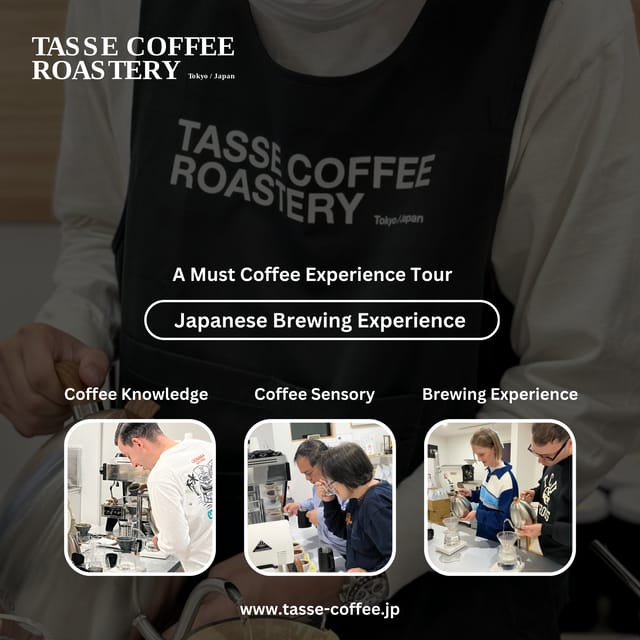
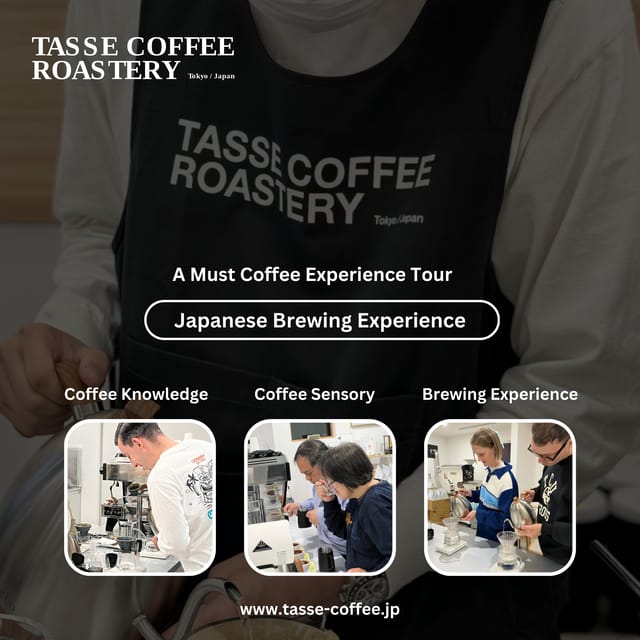
- Three brewing methods: Practice siphon, kyūsu, and hand-drip coffee rather than watching a single demonstration.
- Cupping before brewing: Learn to notice aroma, acidity, body, and aftertaste before you start making coffee.
- Tokyo coffee culture: Explore how coffee developed in Japan and how traditional Japanese tools are used in modern preparation.
- Private, small-group setting: The format allows for more direct guidance than a large public class.
- A calm roastery setting: Natural wooden tones create a quiet place to focus on the coffee.
- Useful for English speakers: The experience is offered in English and Japanese, an unusual option even for people already living in Japan.
A quiet start at Tasse Coffee Roastery
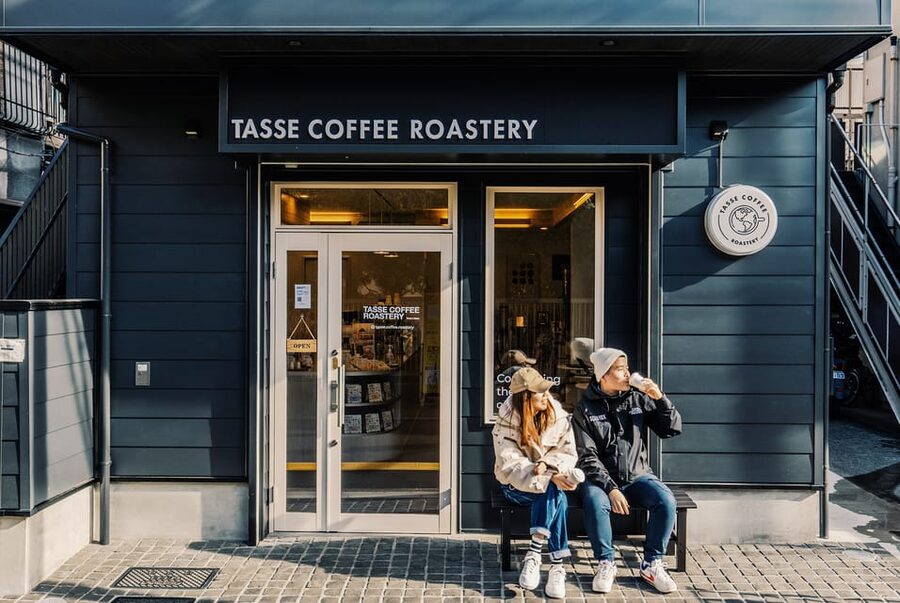
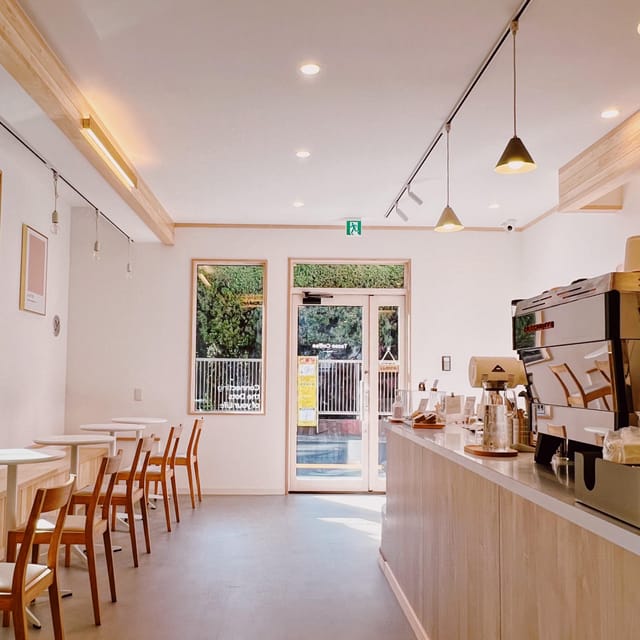
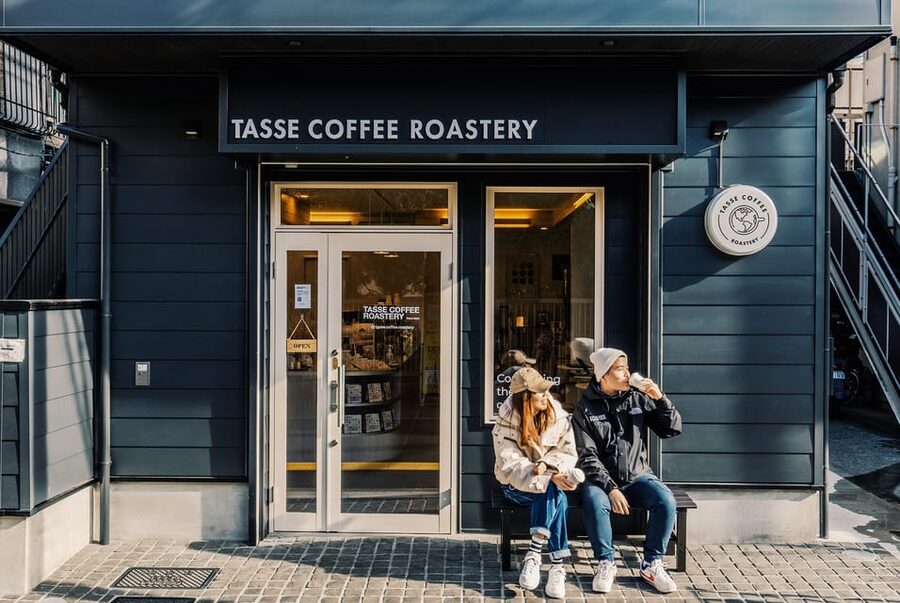
This workshop takes place at Tasse Coffee Roastery in Tokyo, in a setting designed with natural wooden tones and a relaxed feel. That matters because coffee brewing is all about attention. You need to watch the water, smell the grounds, and notice how small changes affect the cup.
The two-hour session is structured as a lesson rather than a quick tasting. You begin with basic coffee knowledge, then move into cupping and brewing practice. By the end, you have handled the equipment and tasted several coffee styles instead of simply listening to a lecture.
The private-group format should appeal to anyone who prefers asking questions without feeling lost in a crowd. The available information does not give a maximum number of participants, but the experience is described as limited and personal. That makes it a better fit for focused learning than for a loud social outing.
I would plan this as a dedicated coffee activity rather than something to squeeze between major Tokyo sights. Two hours is not long, but the session has several parts, and rushing would weaken the best feature: the chance to taste and compare carefully.
More Specialty Coffee Tours in the world:
- Cartagena: Colombian Specialty Coffee Tasting
★ 4.4 · 130 reviews - Coffee Farm Tour with Roasting & Tasting Workshop – Da Lat
★ 5.0 · 126 reviews - Private Coffee Roasting Class
★ 5.0 · 101 reviews
Learning how coffee became part of Japanese life
The opening section covers coffee’s history and place in Japan. You also get an introduction to different bean types, roast levels, and the path from coffee farm to cup.
This part gives the practical work some context. If you only learn how to pour water over grounds, you may copy a technique without understanding what you are trying to change. Here, the lesson connects beans, roasting, aroma, and brewing choices.
You should expect an introduction rather than an academic study of Japanese social history. Still, it helps explain why coffee in Japan can feel so deliberate. Preparation is treated as a craft, and the brewing tools receive as much attention as the beans.
The class also covers coffee selection. That is useful for anyone who wants to buy better coffee after returning home. You learn to think about the bean and roast before reaching for a brewing device, which is a more reliable habit than assuming an expensive tool will fix every cup.
The coffee professionals lead the class in English or Japanese. One particularly appealing detail is that the English-language format can be useful even for Japanese residents. A Japanese participant described the chance to study the subject in English as a distinctive part of the experience, which speaks to the workshop’s international character.
Cupping: learning to taste before you brew
Cupping is the bridge between the introductory talk and the practical brewing work. You taste several coffees in a guided format and learn to look for aroma, acidity, body, and aftertaste.
This is one of the most valuable parts for beginners. Many people can say they like or dislike a coffee, but fewer can explain why. Cupping gives you a vocabulary for the difference between a bright, light cup and a heavier, fuller one.
The process also slows you down. Instead of drinking coffee quickly, you pay attention to the smell before tasting and the finish after swallowing. That makes later comparisons more useful because you have already started noticing how coffee changes from one sample to the next.
The quality of this section depends on your willingness to participate. You do not need advanced coffee knowledge, but you should be ready to smell, taste, compare, and ask questions. This is not a passive tasting where someone hands you a cup and names the bean.
The workshop uses premium beans and several Tokyo coffee blends. The exact origins and blend names are not specified, so you should not book expecting a particular famous bean. The value comes from the guided comparison and the chance to apply what you learn immediately.
Siphon brewing and the visual side of coffee
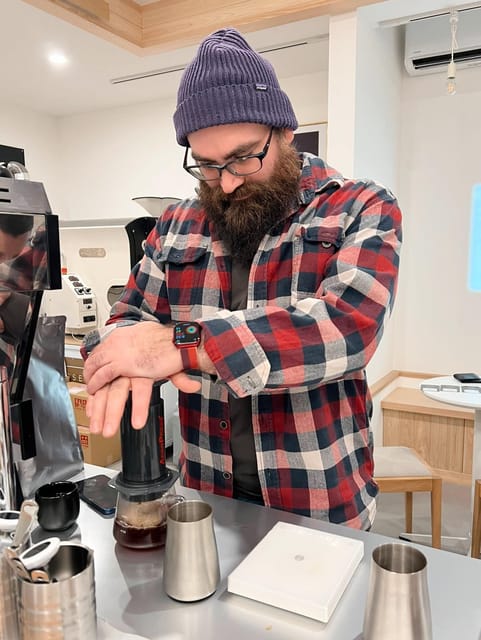
The siphon session introduces one of the most visually appealing brewing methods in the class. It uses a combination of heat, pressure, and glass equipment to prepare coffee, and the workshop presents it as a traditional Japanese brewing method.
The appeal is partly theatrical, but the lesson is not just about watching bubbles and steam. You learn how siphon brewing affects the taste and why the method produces a different experience from a hand drip or teapot brew.
The instructor demonstrates the process, then gives you a chance to practice. That hands-on element matters. Siphon equipment can look complicated at first, and a demonstration alone may leave you unsure about timing or handling. Practicing with an instructor nearby gives you a safer way to understand the sequence.
I would see this as a particularly good part of the experience for coffee drinkers who enjoy equipment and technique. It may be less important to you if your main goal is a simple home method. Siphon brewing usually asks for more care and equipment than a basic filter, so the class should help you decide if the style is worth pursuing.
The tasting comparison is the real payoff. You can notice how the same general ingredient changes when prepared through a different method. That is a more useful lesson than simply being told that one technique is traditional.
More Brewery Visits in the world:
- Istanbul: Turkish Coffee Brewing on Sand + Gift Set
★ 4.9 · 49 reviews - Coffee Brewing Workshop
★ 5.0 · 28 reviews - Medellin: Avoeden Café Coffee Brewing Workshop
★ 5.0 · 12 reviews - Antalya: Turkish Coffee Brewing on Sand & Fortune Telling
★ 4.9 · 7 reviews
Kyūsu brewing, an old Japanese form with a coffee twist
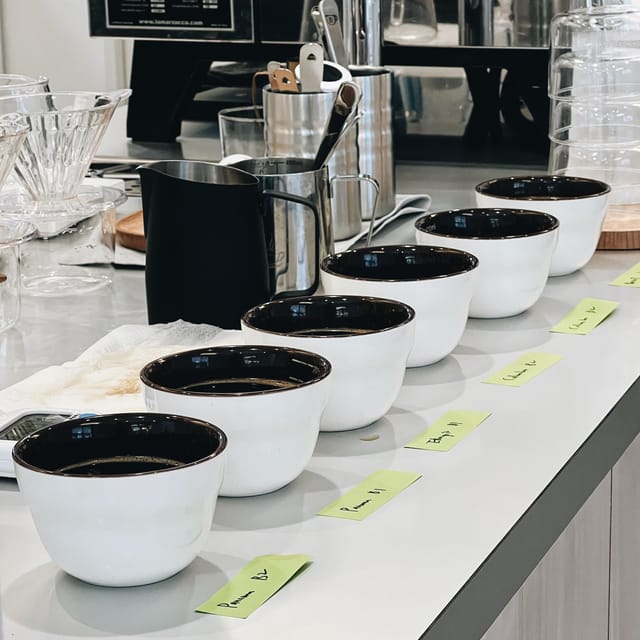
The kyūsu session uses a traditional Japanese teapot adapted for coffee. This is the most distinctive part of the workshop because the tool normally associated with Japanese tea is given a new job.
You learn how to brew coffee in a kyūsu and compare the result with the other methods. The point is not to pretend coffee is tea. Rather, the class shows how a familiar Japanese object can shape a new brewing style.
This section should interest people who want an experience tied closely to local craft and daily culture. It is also a reminder that Japanese coffee culture is not limited to one fixed recipe. The country has a long appreciation for careful preparation, presentation, and small changes in flavor.
The kyūsu method may feel unusual if your only experience is with a standard coffee machine. That is part of its value, but it may not become your everyday method. The workshop gives you a chance to test the idea before spending money on equipment.
The comparison with siphon and hand drip helps keep the lesson grounded. You are not simply shown an interesting object. You taste how the brewing method affects the coffee and can decide what appeals to you.
Hand drip practice you can use at home
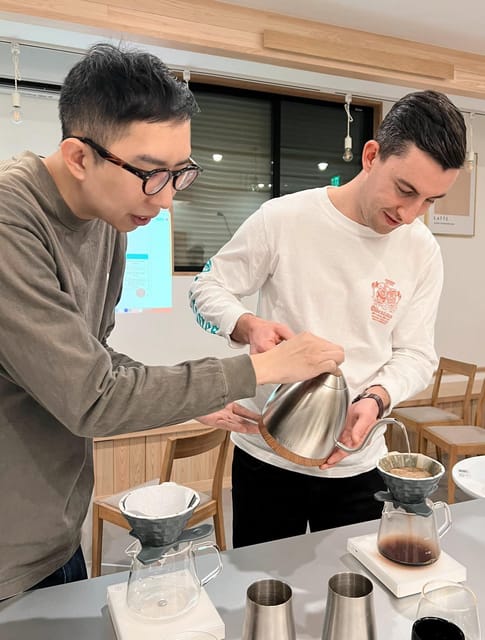
Hand-drip brewing is likely to be the most practical section for many people. You learn about water temperature, pouring technique, and the pace of the brew, then prepare coffee yourself.
This method is simple enough to repeat at home, but small errors can change the result. Pour too quickly, use the wrong temperature, or distribute water unevenly, and the cup may taste thin or harsh. A guided session helps you understand the relationship between technique and flavor.
I like that hand drip comes after cupping and the other brewing methods. By this stage, you have tasted several profiles and seen different equipment in action. That gives you a better basis for understanding why you might prefer one method.
The class includes taste comparisons, so you do not have to rely on theory. You can see how a hand-drip cup differs from siphon and kyūsu coffee using the same general tasting skills introduced earlier.
This is also the area where the workshop may provide the most lasting value. You can purchase beans later and repeat the method at home without needing the more specialized tools used for siphon brewing. The class does not specify the exact hand-drip equipment or recipes, so ask questions during the session and take notes if you want to recreate the process.
What the price means at $116 per person
At $116 per person, this is a premium two-hour activity. The price is easier to justify if you value instruction, private-group attention, several tasting samples, and direct practice with multiple brewing systems.
You are not paying only for a cup of coffee. The fee includes the equipment, premium beans, tasting session, instruction, and all taxes and fees. You also receive a structured lesson covering coffee history, bean selection, cupping, and three brewing methods.
Still, the cost is high compared with an ordinary Tokyo coffee stop. If you only want to taste a good cup, spend the money at a respected café instead. If you want to understand how that cup was made and practice the process yourself, the workshop offers more substance.
The optional coffee tasting kit is available for purchase separately. Since the contents and price are not specified, treat it as an extra rather than part of the value calculation. You should only buy it if you know you will use the tools or beans after the workshop.
The strong rating of 4.9 from eight verified bookings supports the idea that the class delivers an enjoyable and useful experience, but the sample is small. I would give more weight to the repeated praise for clear information, kind instruction, and hands-on practice than to the number alone.
Who will enjoy this coffee workshop most
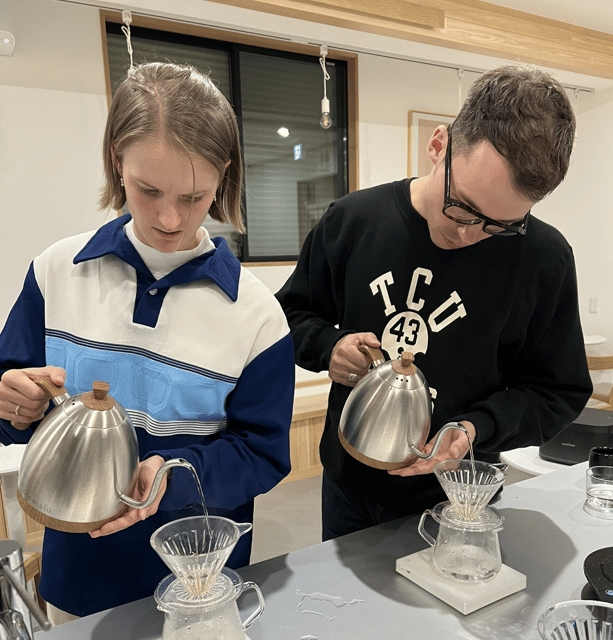
This is a good choice for:
- Coffee drinkers who want to improve their tasting skills
- People curious about Japanese coffee traditions
- Home brewers interested in hand drip or siphon methods
- Visitors who prefer a focused indoor activity
- English speakers looking for a class taught in English
- Couples, friends, or private groups who enjoy practical lessons
It may not suit someone who wants a short, casual tasting. The session covers a lot in two hours, and the format asks you to pay attention. It is also not suitable for children under 16.
The experience should work especially well for people who already enjoy coffee but have never tried cupping or kyūsu brewing. Beginners are welcome according to the structure of the class, and the basic introduction means you do not need to arrive with technical knowledge.
You should also consider your interest in repetition. The best reason to book is not simply that coffee is popular in Tokyo. It is that you want to leave with better judgment about beans, roast, taste, and brewing technique.
Practical planning for your Tokyo schedule
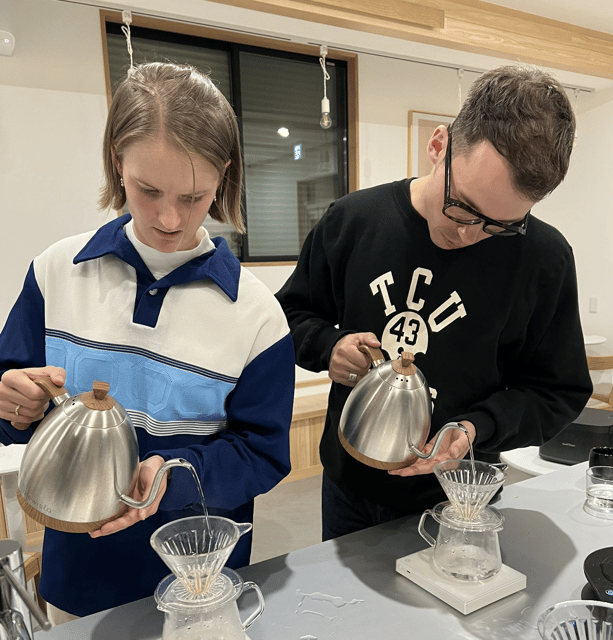
The workshop lasts two hours, with starting times based on availability. I would avoid placing it immediately before a tightly timed reservation because the class has several stages and you will get more from it if you arrive unhurried.
English and Japanese instruction is available. If language matters to you, confirm your preferred option when booking. The private-group arrangement can make questions easier, particularly during the hands-on brewing sections.
Cancellation is flexible up to 24 hours before the activity for a full refund. You can also reserve now and pay later, which helps if your Tokyo schedule is still changing.
No transport details are provided, so check the exact meeting information before setting out. Tasse Coffee Roastery is in Tokyo, but the supplied information does not identify a station or neighborhood. Avoid guessing your route from the city center.
Should you book the Tasse Coffee Roastery workshop?
Book it if you want more than a good coffee break. The combination of cupping, siphon, kyūsu, and hand drip gives you a broad look at Japanese-style preparation, while the private format keeps the lesson personal.
The strongest reasons to go are the hands-on practice, the chance to compare several methods, and the English-language instruction. The most useful takeaway for many people will be the tasting vocabulary and hand-drip technique, not a souvenir cup.
Skip it if $116 feels too steep for a two-hour activity or if you prefer sightseeing that stays outdoors. This is a specialist experience, and its value depends on genuine interest in coffee.
For the right person, it is a thoughtful Tokyo workshop: calm, practical, and far more memorable than simply ordering another latte.
FAQ
How long does the coffee workshop last?
The workshop lasts two hours.
Where does the experience take place?
It takes place at Tasse Coffee Roastery in Tokyo, on Honshu, Japan.
Which brewing methods will I practice?
The workshop includes siphon brewing, kyūsu brewing using a Japanese teapot, and hand-drip coffee preparation.
Is the activity available in English?
Yes. Instruction is available in English and Japanese.
Are children allowed to participate?
The experience is not suitable for children under 16.
What is included in the price?
The price includes expert instruction, coffee tasting, premium coffee beans, brewing and tasting equipment, hands-on practice, beverage samples, and all fees and taxes. An exclusive coffee tasting kit is available to purchase separately.
Just added around the world
- Vietnamese Coffee Making Class in Hoi An★ 5.0 · 4 reviews
- Venice Delights: Coffee & Food Experience Walking Tour★ 5.0 · 2 reviews
- Yerevan: Private Coffee Tour with 2 Café Stops★ 5.0 · 2 reviews
- Vietnamese Coffee 101 Workshop★ 5.0 · 11 reviews
- Ubud: Waterfall, Holy Water Temple,Swing&coffee plantation★ 5.0 · 9 reviews
- Vancouver: Street Art & Craft Coffee Walking Tour w/ Tasting★ 4.8 · 11 reviews
- Vienna: Guided Viennese Coffee-House Tour★ 5.0 · 2 reviews
- Coffee pleasure walking tour★ 5.0 · 12 reviews
Japan Coffee Tours, compared.
Discover Japanese Politics Over a Coffee in Tokyo
Read our review →
Private Akihabara Retro Tokyo Anime Game Maid Cafe Tour w/ pickup
Read our review →
Private Akihabara Anime Game Maid Cafe Tour w/ free pickup
Read our review →
Tokyo’s Neighborhood Digs: Coffee, Records & Vintage Vibes
Read our review →
Best of Downtown Tokyo: Nature, Coffee, & Japanese Sweets Tasting
Read our review →
Discover Coffee Experience Latte Art Workshop at Tokyo
Read our review →Browse the lists this tour appears in