
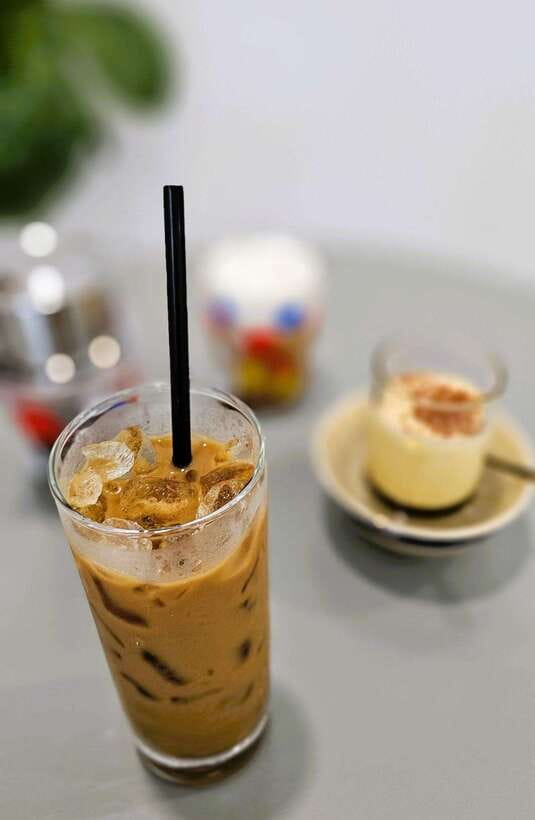
REVIEW · HO CHI MINH CITY COFFEE TOURS
Make 3 Regions Iconic Vietnamese coffees: Brown, Salted, Egg
Coffee tells Vietnam’s story. This 90-minute workshop turns three regional drinks into a lively lesson in culture, brewing, and daily life. I especially like the hands-on format and the way host Quynh connects each recipe to a different part of Vietnam. The main drawback is the large caffeine hit, so coffee drinkers should plan ahead.
I also like the small group, capped at six people, because you get room to ask questions and handle the equipment yourself. It costs $22, a fair price for four tastings, three made-by-you drinks, a snack, and an experienced English-speaking host. Just check the accessibility details carefully, since the information says both wheelchair accessible and not suitable for wheelchair users.
Key points at a glance
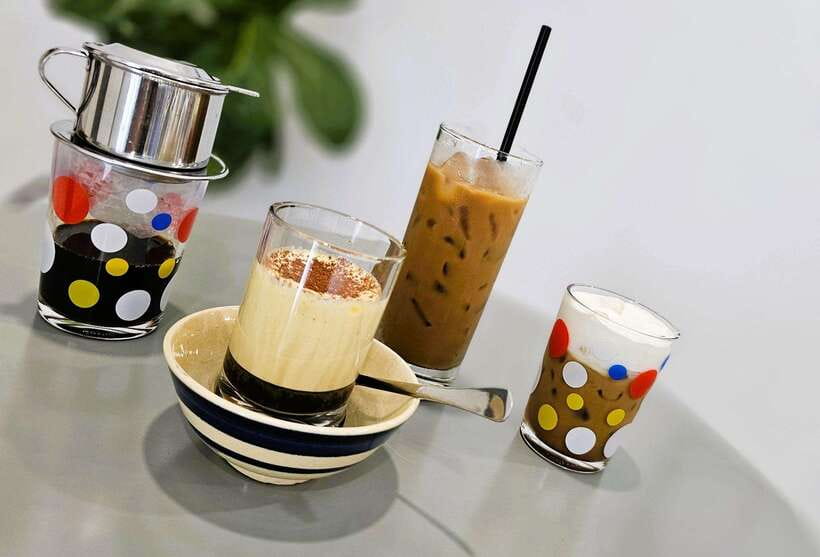
- Three regional coffee styles: Make southern brown coffee, central salted cream coffee, and northern egg coffee.
- Quynh leads the session: His 16-plus years in food and beverage help bring practical brewing advice and personal context.
- A hands-on class: You do not simply watch a demonstration. You brew, mix, taste, and adjust your own drinks.
- Vietnamese culture in a cup: The class explains how regional habits and local ingredients shape each coffee.
- Small group of six: The format leaves more time for questions, corrections, and relaxed conversation.
- Plan around the caffeine: Four tastings in 90 minutes can be a lot, especially if you already had coffee earlier.
Why these three coffees make a useful Vietnam lesson
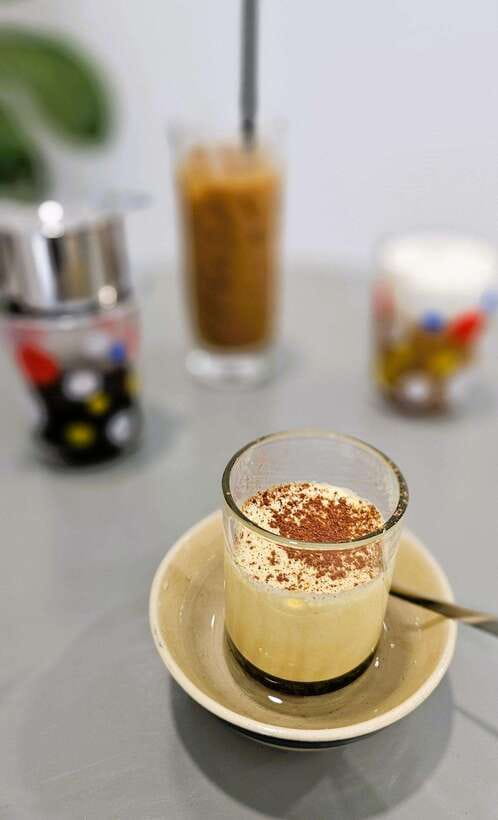
Vietnamese coffee is not one fixed drink. The country’s regions developed their own habits, flavors, and serving styles, and this workshop uses three famous cups to show those differences.
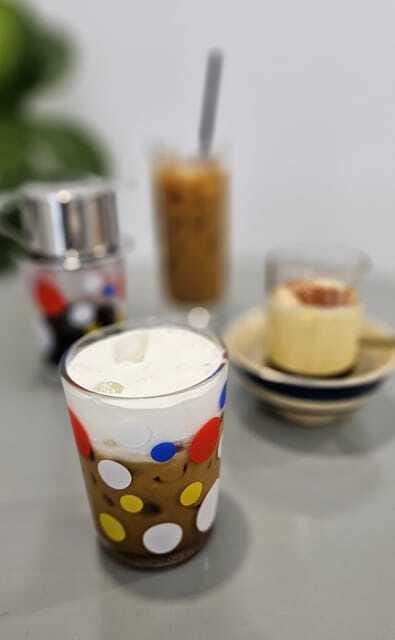
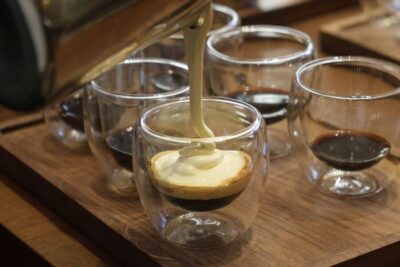
Southern brown coffee is the familiar starting point for many visitors. It combines strong coffee with condensed milk, producing a sweet, dark drink. Central salted cream coffee adds a savory edge through salted cream. Northern egg coffee is softer and dessert-like, with a whipped egg mixture that changes the coffee’s texture.
That range gives the class a clear shape. You are not learning three random recipes. You are comparing the South, Central Vietnam, and the North through taste, technique, and local custom.
I like this approach because food can explain a place faster than a long lecture. The differences are easy to notice: sweet against salty, bold against creamy, familiar against unusual. Even if you are not a serious coffee drinker, the tasting gives you something concrete to remember from each region.
The activity takes place in a convenient central city location, which matters in Ho Chi Minh City. You can fit it into a morning or afternoon between sightseeing stops without giving up half a day. Air-conditioned seating is another practical plus, especially after time outside in the heat.
A few more coffee tours around Ho Chi Minh City worth a look
- Egg coffee & Course on 4 traditional types of Viet coffee
★ 4.9 · 487 reviews - Fun & Easy Vietnamese Coffee Workshop in Hồ Chí Minh City
★ 5.0 · 293 reviews - Vietnamese Coffee & Culture Exploration in Hồ Chí Minh City
★ 5.0 · 202 reviews
The opening lesson: coffee in Vietnamese daily life
The session begins with a brief look at Vietnamese coffee and its place in everyday life. The point is not to turn you into a coffee scholar. It is to show how coffee became part of ordinary routines and social life in Vietnam.
Quynh brings more than 16 years of food and beverage experience, and his enthusiasm is a major part of the experience. The available feedback repeatedly highlights his humor, patience, strong English, and passion for coffee. That combination matters in a short class. A host can know a subject well and still make a poor teacher, but Quynh’s role here appears to be both practical and personal.
You should expect to hear about how coffee growing developed in Vietnam and why different areas favor different drinks. The conversation may also move beyond coffee, since the host is described as happy to answer broader questions about Vietnam.
This is one of the best reasons to choose the class instead of simply ordering a drink in a café. A café gives you the finished product. This workshop gives you the story behind it, plus the chance to ask why a recipe works the way it does.
Learning to use the traditional phin
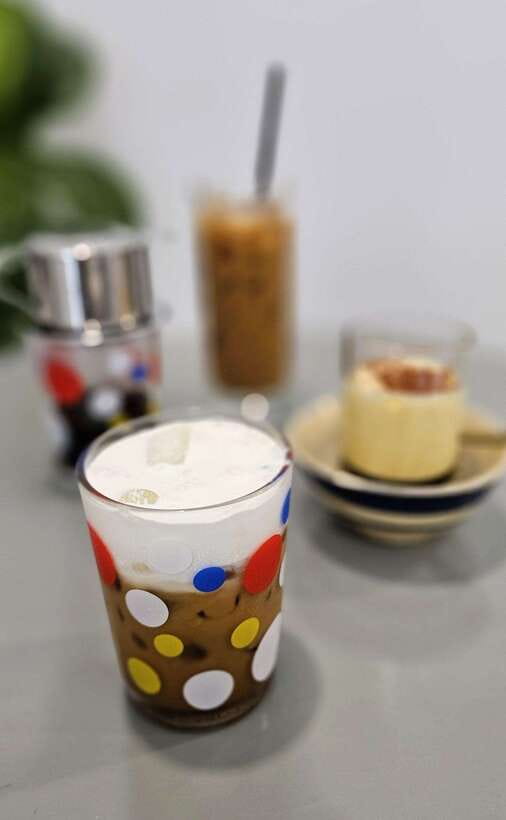
A central part of the workshop is the phin, Vietnam’s traditional coffee dripper. It is a small metal filter that sits directly over the cup. The coffee passes through slowly, creating the concentrated brew used in many Vietnamese drinks.
The class covers the proper way to use it, along with brewing tips. That practical guidance is useful because the phin looks simple but requires patience. The timing, amount of coffee, and way you manage the filter affect the final cup.
You get to use the equipment yourself rather than watching Quynh do everything. That makes the lesson more memorable, and it gives you a better chance of repeating the method later. If you plan to buy a phin during your Vietnam trip, this is especially helpful. You will understand what you are buying and how to use it.
The phin also adds a slower rhythm to the session. You cannot rush the coffee through like a capsule machine. Waiting for it to drip gives Quynh time to explain what is happening, and it gives you a natural pause before the tasting begins.
Making southern brown coffee
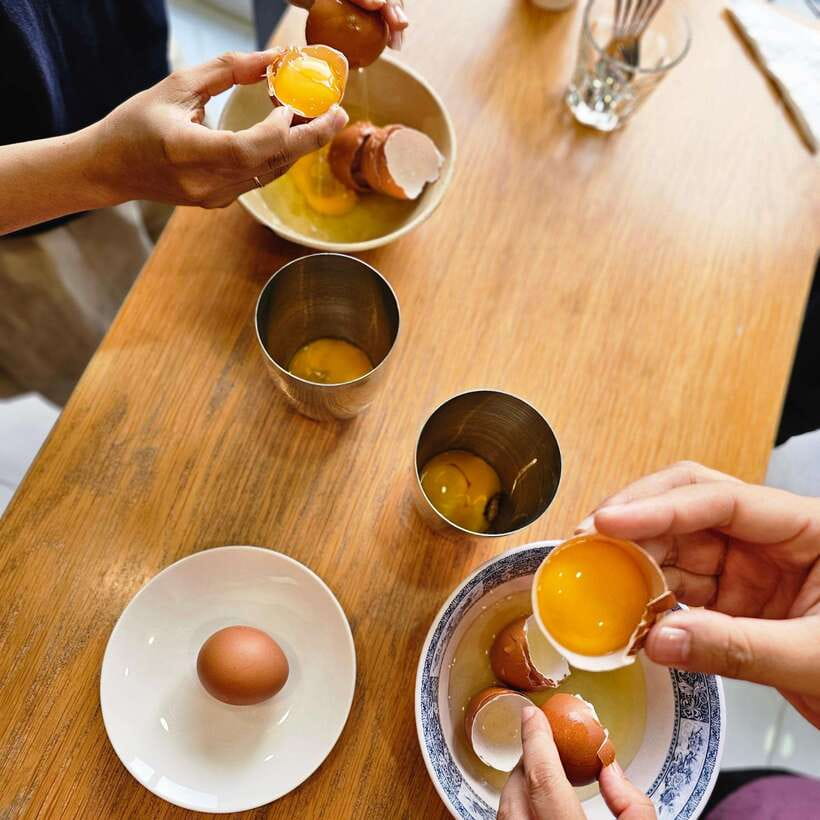
The first featured drink is brown coffee from southern Vietnam. The name refers to the coffee’s color after it meets condensed milk. It is sweet, strong, and direct.
You make the coffee using the phin, then combine it with condensed milk. The recipe is simple enough for beginners, but the class adds context about why this style became so closely linked with the South.
For many people, this is the most approachable drink of the three. The condensed milk softens the sharpness of the coffee and gives it a familiar sweetness. If you normally take sugar in coffee, this may be your favorite.
The useful part is learning the balance. Too much condensed milk can overwhelm the coffee. Too little leaves a very forceful drink. Because you make it yourself, you can see how small changes affect the result.
This is also the drink most likely to help you understand the basic Vietnamese coffee method before the class moves into less familiar territory. It gives you a clear starting point, then the salted and egg versions add more unusual flavors and textures.
Same place, a different cup:
- Decadent Vietnamese “Egg Coffee” Workshop in Hồ Chí Minh City
★ 5.0 · 150 reviews - Ho Chi Minh City: Fun and Easy Coffee Workshop for Beginners
★ 4.9 · 121 reviews - Techniques & Secrets Behind the Famed Vietnamese Egg Coffee
★ 5.0 · 99 reviews - 1 hour Egg Coffee Cooking Class with Snack and Local Instructor
★ 5.0 · 72 reviews
Making central salted cream coffee
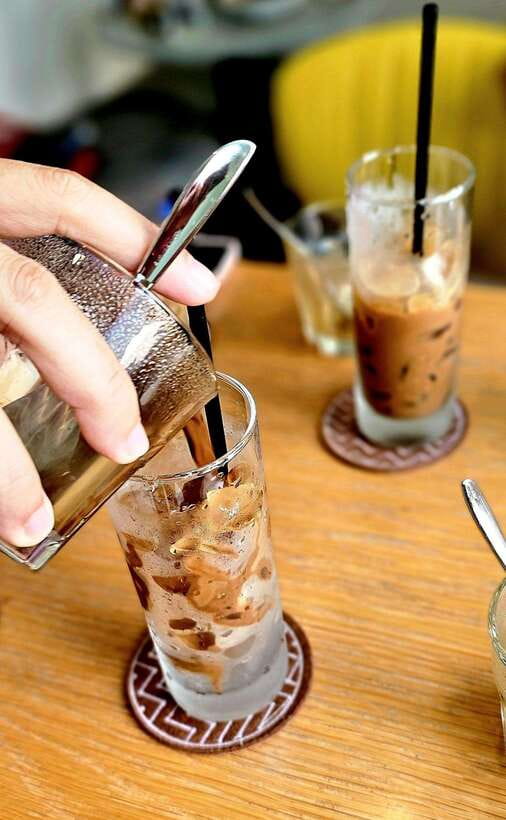
The central drink uses salted cream, which gives the cup a sweet and savory character. It is a good example of how a small change in an ingredient can make coffee taste completely different.
You will learn how the cream works with the strong brewed coffee rather than simply covering it. The salt is not there to make the drink taste salty in the way a soup might. Its job is to sharpen the contrast and keep the cream from becoming flat or overly sweet.
This is the point where the class becomes particularly useful for curious eaters. You are not just following a recipe. You are seeing how Vietnamese drink makers use contrast: bitter coffee, sweet cream, and a touch of salt.
I would pay close attention here if you enjoy experimenting in the kitchen. The technique and balance may be more useful than the recipe alone. You can take away a better sense of how sweetness, bitterness, and salt can work together.
Some people may find this drink less immediately familiar than brown coffee. That is not a flaw, but it is worth knowing. The workshop is designed to show differences, not give you three versions of the same mild café drink.
Making northern egg coffee
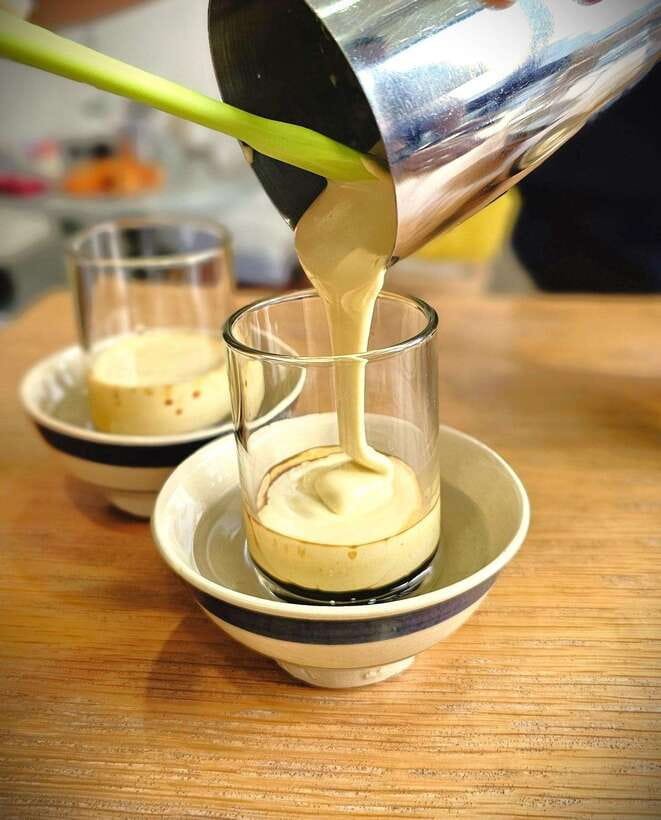
Egg coffee from northern Vietnam is the most distinctive drink in the set. A whipped egg mixture changes the coffee into something creamy and almost dessert-like.
The appeal is partly textural. You are not simply adding milk to coffee. The topping creates a richer mouthfeel and a different way of drinking the brew beneath it.
This recipe also gives the class a strong northern identity. Along with the story behind the drink, you get to see how local ingredients can turn a basic coffee into a special treat.
You make the drink yourself, with Quynh explaining the steps and offering brewing advice. That guidance is important because the egg mixture needs the right consistency. The class format lets you compare your result with the intended style and ask questions as you go.
If you rarely drink coffee, this may still appeal because it resembles a small dessert. Still, it remains a caffeinated drink, and the workshop includes four coffee tastings in total. Keep that in mind if you are sensitive to caffeine.
The fourth tasting and local snack
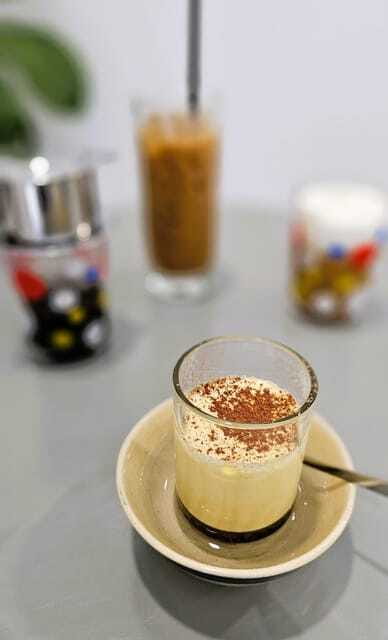
The experience includes four coffee tastings, while the main focus is the three regional drinks. The extra tasting gives you another chance to compare flavors and brewing results rather than ending after the third recipe.
A simple local snack is also included: plain bánh mì with condensed milk. It is an uncomplicated combination, but it fits the workshop well. The bread gives you something to eat alongside the coffee, and the condensed milk echoes the sweetness used in southern brown coffee.
Do not expect a full meal. This is a light snack designed to support a 90-minute class, not replace lunch. If you arrive hungry, eat beforehand or plan a meal afterward.
The food also keeps the experience connected to ordinary Vietnamese eating habits. You are not being served a formal tasting menu. You are trying a straightforward local bite that matches the relaxed tone of the workshop.
Vegan, coeliac, and lactose-intolerant alternatives are available, but you need to note your dietary requirement when booking. That advance notice is important. Do not assume the standard ingredients can simply be changed at the last minute.
What the $22 price includes
At $22 per person, this is priced above a simple café visit but below many longer food activities. The value depends on whether you want participation and explanation, not just a good drink.
Your fee includes the coffee tastings, the ingredients and equipment for making the drinks, the local snack, air-conditioned seating, and instruction. There are no extra charges during the activity.
I think the price is fair for three reasons. First, the group is limited to six, which gives the host time to help each person. Second, you get to make the drinks rather than only watch. Third, Quynh’s long food and beverage background adds useful depth to a compact session.
The workshop is less useful for someone who simply wants the cheapest cup of coffee in the city. You can spend far less at a café. But if you want to understand the drinks, learn the phin, and leave with practical brewing tips, the extra cost is justified.
Who should book this coffee workshop
I would recommend it to first-time visitors who want an easy cultural activity in central Ho Chi Minh City. It works well early in a trip because you can use what you learn at cafés afterward.
It also suits people who enjoy cooking classes but do not want a long, demanding session. Ninety minutes is enough time to learn, taste, and make the drinks without taking over your day.
Coffee lovers will get the most direct benefit, especially those interested in home brewing. Still, you do not need to be a coffee expert. The class has been praised for keeping non-coffee drinkers engaged through history, humor, and regional stories.
I would be more cautious if you are highly sensitive to caffeine. The activity includes four tastings, and the guidance specifically warns against drinking coffee within two hours before the start. That is good advice, not a minor footnote.
The stated age limit is 14 and older. This is better suited to adults and older teenagers who can follow brewing instructions and appreciate the cultural side of the activity.
The accessibility information needs clarification. One part says the venue is wheelchair accessible, while another says the activity is not suitable for wheelchair users. Contact the provider before booking if this affects you.
Timing, group size, and booking details
The workshop lasts 90 minutes and is offered at set starting times, so check availability before planning the rest of your day. Its central location makes it convenient to pair with other city activities, but you should still allow enough time to arrive without rushing.
A maximum of six participants is a real advantage. Small groups make hands-on instruction easier, and you are less likely to wait while a large crowd takes turns with the equipment.
The instructor speaks English. Communication has been praised as clear, which is especially useful when learning brewing steps and asking about cultural details.
You can reserve now and pay later, which helps if your schedule is still changing. Free cancellation is available up to 24 hours before the start time for a full refund. Dietary needs should be provided when booking, even though the activity offers alternatives for vegan, coeliac, and lactose-intolerant participants.
Should you book the three-coffee experience?
Book it if you want more than a quick caffeine stop. The strongest parts are the three regional recipes, the chance to use the phin yourself, and Quynh’s warm, informed teaching style. The class turns coffee into a practical way to understand Vietnam’s regional identity.
Skip it if you dislike coffee, cannot manage several caffeinated tastings, or prefer a quiet café visit with no instruction. For everyone else, $22 buys a focused activity, a local snack, useful brewing skills, and a better idea of why Vietnamese coffee tastes so different from cup to cup.
FAQ
How long does the Vietnamese coffee workshop last?
The activity lasts 90 minutes.
How much does the experience cost?
The price is $22 per person.
Which Vietnamese coffees will I make?
You will make southern brown coffee, central salted cream coffee, and northern egg coffee.
How many coffee tastings are included?
Four coffee tastings are included.
Is a snack included?
Yes. The snack is plain bánh mì with condensed milk.
What language does the instructor speak?
The instructor speaks English.
How many people are in each group?
The group is limited to six participants.
Is the experience suitable for children?
It is not suitable for children under 14.
Can I cancel for a refund?
Yes. You can cancel up to 24 hours in advance for a full refund.
Just added around Ho Chi Minh City
- Saigon Special Night Coffee Landmark 81 & Food Tour★ 5.0 · 2 reviews
- Tea & Coffee Experience★ 5.0 · 10 reviews
- Hands-on making 3 Iconic Coffees of South Central North Vietnam★ 5.0 · 14 reviews
- Private Ho Chi Minh City Tour from Port & Vietnamese Egg Coffee★ 5.0 · 6 reviews
- Sai Gon Special Coffee At Landmark 81 & Street Food tour★ 5.0 · 3 reviews
- [Free E-sim] Half day Instagram Cafe Tour in Ho Chi Minh★ 4.5 · 8 reviews
- Drip Craft Coffee Workshop-Discover 4 Famous Types of Viet Coffee★ 5.0 · 2 reviews
- Discover Vietnam’s Coffee Culture.★ 5.0 · 5 reviews
Ho Chi Minh City Coffee Tours, compared.
Egg coffee & Course on 4 traditional types of Viet coffee
Read our review →
Fun & Easy Vietnamese Coffee Workshop in Hồ Chí Minh City
Read our review →
Vietnamese Coffee & Culture Exploration in Hồ Chí Minh City
Read our review →
Decadent Vietnamese “Egg Coffee” Workshop in Hồ Chí Minh City
Read our review →
Techniques & Secrets Behind the Famed Vietnamese Egg Coffee
Read our review →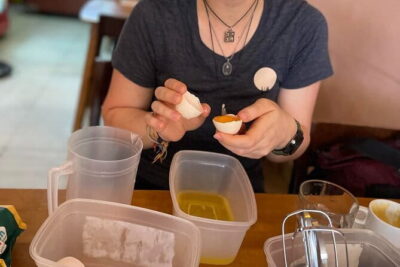
1 hour Egg Coffee Cooking Class with Snack and Local Instructor
Read our review →
Saigon Unseen: Culture, Coffee, Hidden Spots Motorbike Adventure
Read our review →Browse the lists this tour appears in