
REVIEW · HO CHI MINH CITY COFFEE TOURS
A Complete Vietnam Coffee Journey – The Unknown Giant
Coffee tells Vietnam’s story in a cup. This 2.5-hour experience in central Ho Chi Minh City goes well beyond ordering cà phê sữa đá, with six drinks, brewing demonstrations, tasting comparisons, and a hands-on chance to make your own coffee.
I like the small group of up to six and the host Quynh’s clear, question-friendly approach. I also like the chance to try traditional and modern drinks side by side, including coconut, salt, egg, and condensed-milk coffees. The main drawback is that the experience is aimed at people aged 16 and over, and the accessibility information is contradictory: it is marked wheelchair accessible but also says it is not suitable for wheelchair users, so you should contact the host before booking.
You also get a local snack, such as bánh mì, vegetarian or halal bánh mì, a croissant, or fresh fruit. At $30 per person, this is not a cheap coffee stop, but it offers much more than a tasting. You leave with a practical understanding of how Vietnamese coffee is made, why it tastes the way it does, and how Vietnam’s coffee culture developed.
Key points to know before booking
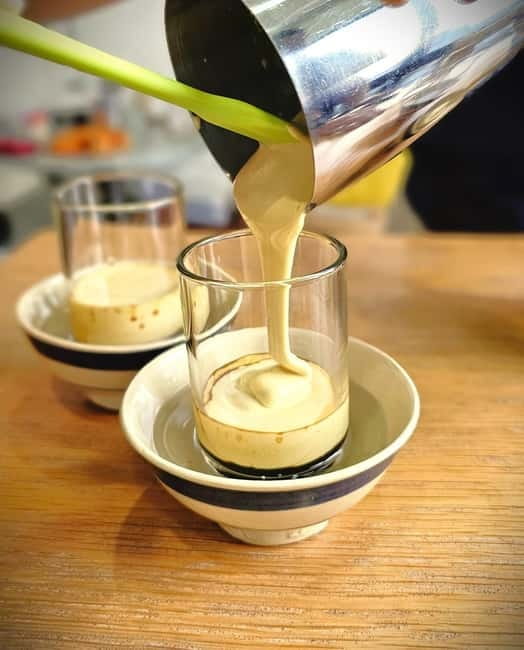
- Six Vietnamese coffee drinks: Taste a wide range of styles, including drinks made with condensed milk, coconut, salt, and egg.
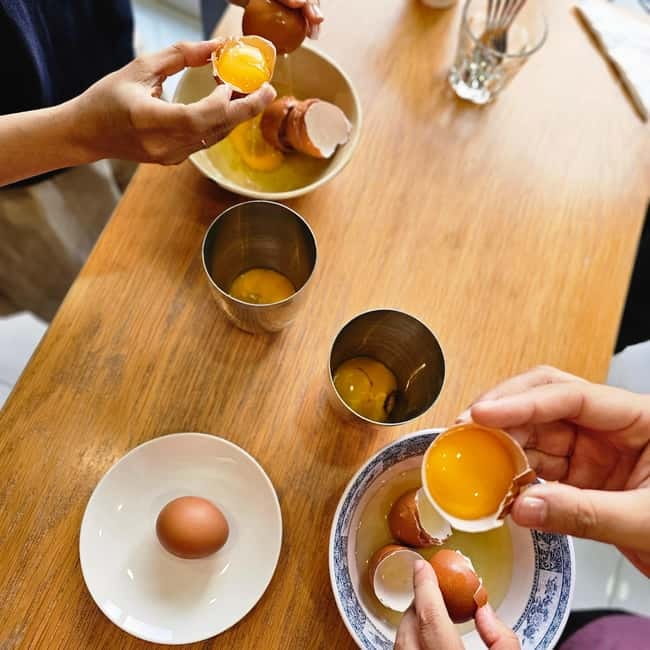
- A hands-on format: You do not just watch. You make coffee drinks yourself and compare different brewing methods.
- Quynh leads the session: The host has years of experience, speaks English and Vietnamese, and welcomes questions about coffee and Vietnamese culture.
- Central Ho Chi Minh City location: The session begins and ends at 40E Ngô Đức Kế, making it easy to fit into a day in the city center.
- A small, focused group: With no more than six participants, the format allows for conversation and individual questions.
- A snack is included: Choose local bánh mì, vegetarian or halal bánh mì, a croissant, or fresh fruit.
Why Vietnamese coffee deserves two and a half hours
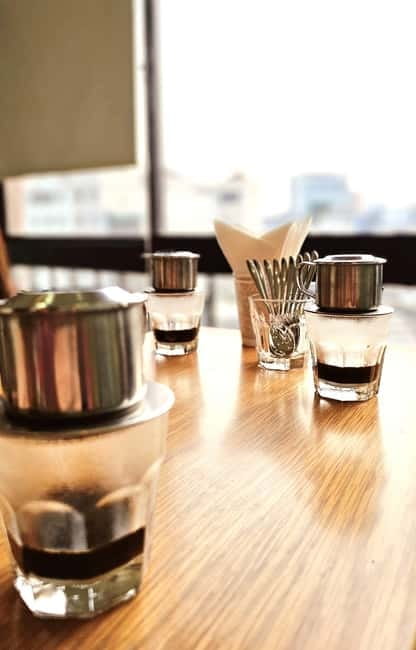
Vietnamese coffee is often reduced to one familiar image: strong coffee dripping through a small metal filter onto condensed milk. That drink is important, but it is only one part of the picture.
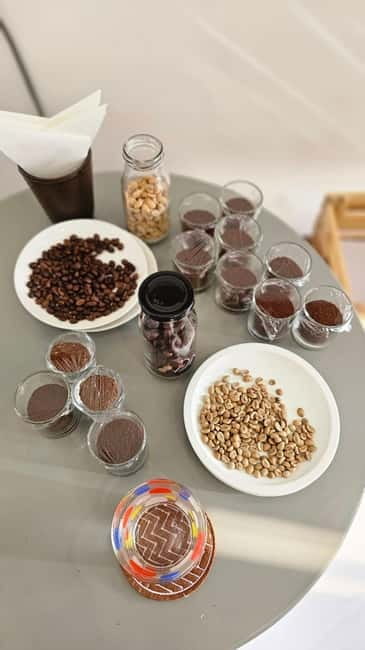
This session gives you a wider view. You learn about Vietnam’s place in the world coffee trade, the role of Robusta, the development of local drinking habits, and the way different brewing tools affect the final cup. The point is not to turn you into a barista. It is to help you understand what you are drinking.
I like that distinction. You are not signing up for professional training or a technical certification. Instead, you get a clear explanation of the what, why, and how behind Vietnamese coffee, followed by tasting and practice.
The host also connects coffee with Vietnamese culture. That matters because coffee habits are not just about flavor. They reflect local preferences, available ingredients, social customs, and the way people adapt outside influences to fit daily life in Vietnam.
More Vietnamese Coffee Experiences in Ho Chi Minh City
- Egg coffee & Course on 4 traditional types of Viet coffee
★ 4.9 · 487 reviews - Fun & Easy Vietnamese Coffee Workshop in Hồ Chí Minh City
★ 5.0 · 293 reviews - Vietnamese Coffee & Culture Exploration in Hồ Chí Minh City
★ 5.0 · 202 reviews
Starting at 40E Ngô Đức Kế
The experience begins at 40E Ngô Đức Kế in the heart of Ho Chi Minh City. This central location is useful if you are already exploring the city center and want an activity that does not require a long ride across town.
There is no complicated transport plan built into the experience. You make your own way to the meeting point, take part in the workshop and tasting, then return to the same address. The simple route keeps the focus on coffee and makes the activity easy to pair with nearby sightseeing.
Plan around the full 150 minutes rather than expecting a quick tasting. The time is used for explanations, making drinks, sampling them, comparing methods, and answering questions. If you enjoy asking follow-up questions, you may find the session feels pleasantly conversational rather than tightly scripted.
Meeting Quynh, the coffee guide
A good coffee experience needs more than a table full of drinks. The guide has to explain unfamiliar flavors in a way that makes sense, keep the pace moving, and handle questions without turning the session into a lecture.
Quynh is especially well suited to that role. The experience has been hosted for six years, and Quynh brings broad knowledge of both Vietnamese and international coffee. English is described as very good, and the format encourages you to arrive with questions.
That invitation is worth taking seriously. Ask about Robusta, brewing tools, sweetness, milk, regional differences, or how Vietnamese coffee compares with coffee from other countries. You can also ask questions beyond coffee, since the session is designed to connect coffee with Vietnamese culture.
The best part of this setup is the balance between explanation and participation. You are not left alone with a complicated recipe, but you are also not expected to sit quietly while someone else does everything. The limited group size gives Quynh room to respond to individual interests.
Six drinks, six different ways to understand Vietnam
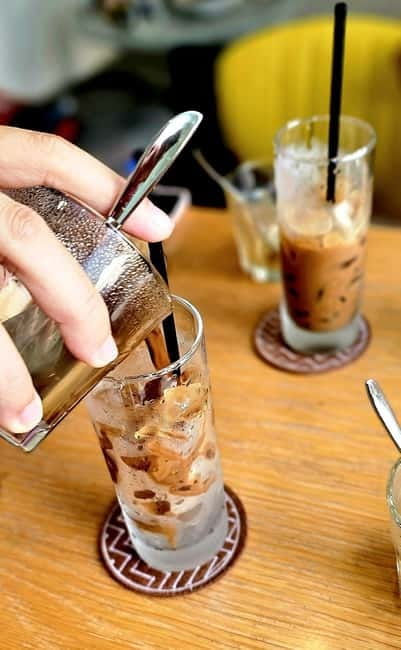
The included drinks are the heart of the experience. You taste six different coffee drinks rather than trying a single famous recipe and calling it a day.
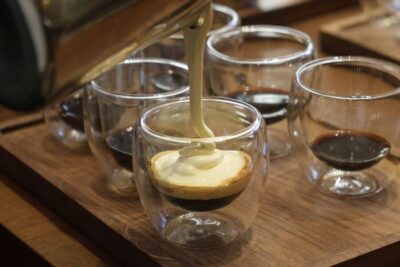
The selection includes styles using condensed milk, coconut, salt, and egg. These flavors show how Vietnamese coffee can move from intensely strong and sweet to creamy, rich, lightly savory, or dessert-like.
Condensed milk coffee is likely to be the most familiar Vietnamese style for many people. Its sweetness softens the strength of the coffee and creates the combination that has made Vietnamese iced coffee famous around the world.
Coconut coffee offers a different direction. It shows how coffee can be paired with a cool, creamy ingredient to create a drink that feels far removed from a plain brewed cup. Egg coffee offers another contrast, with a texture and sweetness that makes it feel closer to a dessert.
Salt coffee is particularly useful for comparison. It challenges the idea that coffee needs only sugar or milk. A small savory note can change how you perceive bitterness and sweetness.
The value lies in tasting these drinks together. One cup can seem unusual in isolation, but a side-by-side comparison helps you notice how ingredients alter the base coffee. You begin to identify texture, sweetness, bitterness, aroma, and aftertaste instead of simply deciding if you like or dislike a drink.
Same place, a different cup:
- Decadent Vietnamese “Egg Coffee” Workshop in Hồ Chí Minh City
★ 5.0 · 150 reviews - Ho Chi Minh City: Fun and Easy Coffee Workshop for Beginners
★ 4.9 · 121 reviews - Techniques & Secrets Behind the Famed Vietnamese Egg Coffee
★ 5.0 · 99 reviews - 1 hour Egg Coffee Cooking Class with Snack and Local Instructor
★ 5.0 · 72 reviews
Traditional methods compared with modern styles
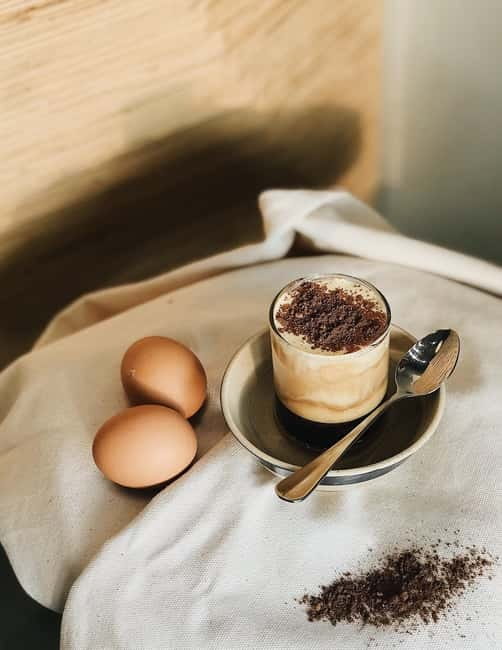
The session includes both traditional and modern approaches. This comparison helps explain why two coffee drinks can taste so different even when they use similar beans.
Traditional methods are discussed in relation to the tools used and the way those tools shape extraction. You learn how brewing time, water, and equipment influence the character of the cup. The explanations are intended to be practical and grounded in how the coffee behaves, rather than based only on custom or habit.
The modern styles show how Vietnamese coffee continues to change. New ingredients and presentation methods do not erase older traditions. They add more choices and give coffee drinkers different ways to enjoy familiar flavors.
I find this one of the most useful parts for visitors. After the session, you are better prepared to order coffee in Vietnam because you understand what the menu terms and ingredients are doing. You can also make a more informed choice between a strong traditional drink and a sweeter, creamier modern version.
The experience also avoids promoting one commercial brand or one specialty coffee viewpoint. That impartial approach is helpful if you are new to coffee. You are given a broad picture rather than being pushed toward a particular product or brewing philosophy.
The Robusta lesson
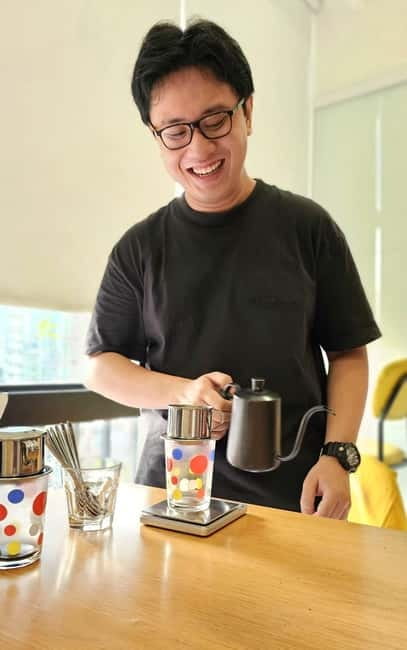
Robusta receives special attention, and that is important in Vietnam. Many coffee drinkers arrive with the idea that Arabica is automatically superior and Robusta is merely a cheaper substitute. This experience offers a more useful way to think about the two.
You learn how Robusta relates to Vietnam and why it has a major place in the country’s coffee culture. The emphasis is not simply on defending Robusta. It is on understanding the qualities that make it useful in strong, sweet, milk-based, and ice-based drinks.
That lesson can change the way you taste. Instead of judging coffee by one international standard, you start asking whether a particular bean works well with the brewing method and ingredients around it.
The session also places Vietnam in the wider story of coffee. You learn how coffee developed globally and how Vietnam fits into that story. This gives the tasting more context than a list of local recipes.
Making your own coffee drinks
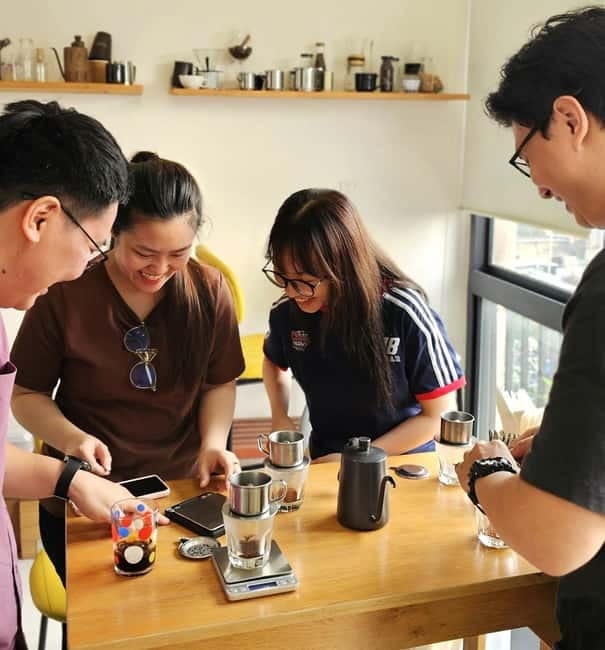
The hands-on section is a strong reason to choose this experience over a standard café tasting. You make your own drinks instead of simply watching the host prepare them.
That practical step helps you remember the recipes. It also shows how small changes affect the final result. You can adjust sweetness and learn how brewing methods bring out different characteristics.
You receive tips for brewing at home and for changing the drinks to suit your taste. Those suggestions are useful if you want to recreate Vietnamese coffee after returning home, but the session is not presented as a formal training class.
Keep your expectations realistic. You should not expect professional barista practice or an extensive course in coffee science. You should expect a guided introduction with enough technique to help you understand and repeat the drinks.
The combination of explanation, tasting, and preparation gives the session a good rhythm. You listen, try, compare, then make something yourself. That is more memorable than a talk alone.
A local snack keeps the tasting grounded
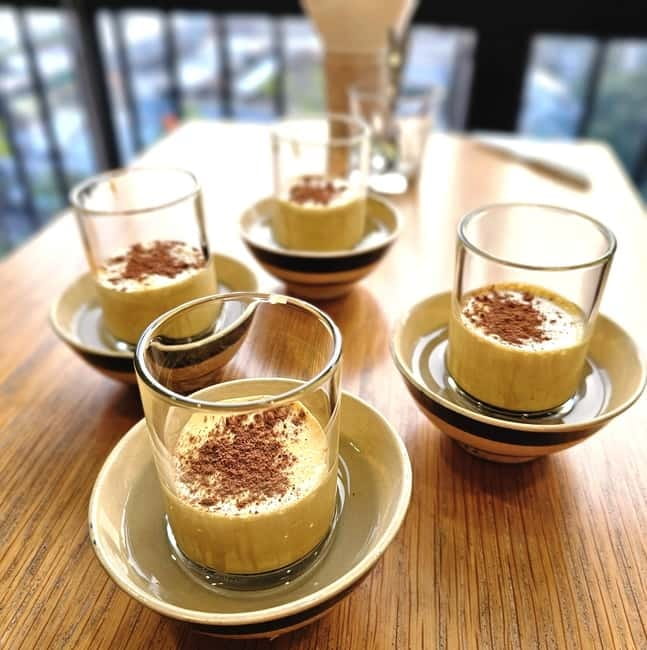
The included snack is a small but welcome part of the experience. You choose from local bánh mì, vegetarian or halal bánh mì, a croissant, or fresh fruit.
The bánh mì option fits naturally with a Vietnamese food experience and makes the session feel more connected to daily life. Vegetarian and halal choices give you useful flexibility, while a croissant or fruit may suit you better if you want something lighter.
The snack also matters because six coffee drinks can add up. Having food alongside the tasting makes the 2.5-hour session more comfortable and gives you something to eat with the sweeter drinks.
You should mention special requirements to the host before the experience. The available information specifically asks you to make contact if you have dietary or other needs.
Is $30 good value?
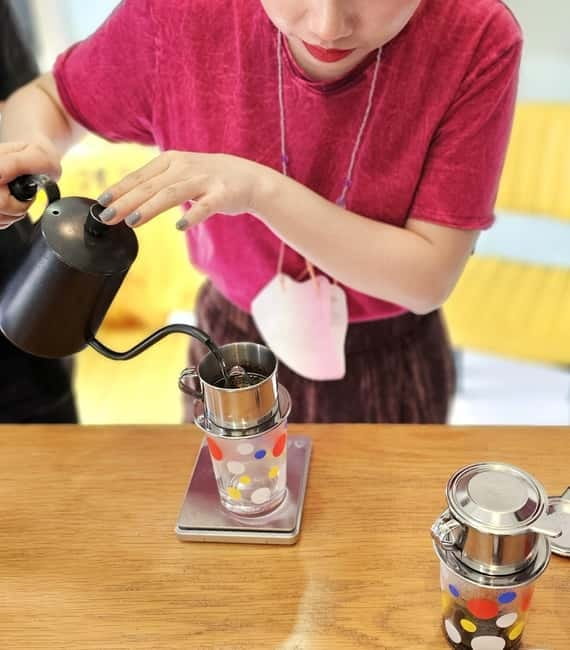
At $30 per person, this is more expensive than buying several coffees at local cafés. That comparison is fair, but it does not tell the whole story.
The fee covers six drinks, a snack, a guided explanation of Vietnam’s coffee culture, hands-on preparation, brewing advice, and a small-group format. You are paying for instruction and access to a structured tasting, not just liquid in a cup.
For coffee drinkers, the price is reasonable if you want to understand what you are ordering during the rest of your time in Vietnam. The information can also help you recreate drinks at home, which adds value after the trip.
For someone who only wants a quick iced coffee, $30 will feel high. You might get more from visiting a café and spending the difference on several local drinks. This activity suits you best if you enjoy food culture, ask questions, or want a stronger sense of context.
The 150-minute length also supports the price. You are not rushing through six samples in half an hour. The session gives each drink, method, and explanation room to make sense.
Who should book this experience?
I would recommend it to adults and older teenagers aged 16 and above who enjoy coffee, food, or cultural explanation. You do not need advanced coffee knowledge. The session is designed to work for people who are completely new to Vietnamese coffee as well as those who already know the basic drinks.
It is a good choice early in your time in Ho Chi Minh City. Take the session near the start of your visit, and you can use what you learn when ordering coffee elsewhere.
It also suits people who prefer a small group rather than a large demonstration. Six participants is enough for conversation without making the session feel crowded.
You may want to skip it if you dislike caffeine, have very limited time, or want only a quick drink. The activity is built around tasting several coffee styles, so it is not ideal for someone who does not want much coffee.
The accessibility details need confirmation. The activity information says wheelchair accessible, but it also lists wheelchair users under not suitable for. Contact the host before booking if this applies to you. The same advice makes sense for any dietary, mobility, or other special requirement.
Other coffee options from the same host
If 2.5 hours feels too long, the host also offers a shorter 1.5-hour experience focused on making three iconic drinks representing northern, central, and southern Vietnam.
For a broader city experience, there is also a four-hour coffee tour using an electric tuk-tuk. That option looks at the growth of Ho Chi Minh City through its coffee drinks and requires a minimum of two participants.
These alternatives serve different needs. The shorter session suits you if you want a quick introduction and more direct drink-making. The tuk-tuk option suits you if you want coffee combined with a moving tour of the city. The 2.5-hour workshop is the best middle ground for learning methods, tasting six drinks, and asking questions without committing to a half-day outing.
Should you book A Complete Vietnam Coffee Journey?
Book it if you want more than a famous cup of condensed-milk coffee. The strongest reasons are the six-drink comparison, the chance to make coffee yourself, and Quynh’s ability to explain Vietnam’s coffee culture in clear English.
The experience offers real value for curious coffee drinkers, especially at the start of a Vietnam trip. You will leave with better ordering skills, simple brewing ideas, and a more thoughtful view of Robusta and Vietnamese coffee.
Skip it if you want a quick café visit or dislike sweet, creamy, or unusual coffee styles. Also confirm the accessibility details before paying if you use a wheelchair. For everyone else, this is a focused, useful way to understand one of Vietnam’s most important everyday pleasures.
FAQ
Where does the coffee experience start?
It starts at 40E Ngô Đức Kế in Ho Chi Minh City.
Where does the experience finish?
It returns to 40E Ngô Đức Kế.
How long does the experience last?
The experience lasts 150 minutes, or 2.5 hours.
How many coffee drinks are included?
Six different coffee drinks are included.
Do I get to make the coffee myself?
Yes. The experience includes hands-on preparation, so you make your own coffee drinks.
What kind of drinks might I try?
The drinks include styles using condensed milk, coconut, salt, and egg, along with other Vietnamese coffee preparations.
Is food included?
Yes. You can choose a local bánh mì, vegetarian or halal bánh mì, croissant, or fresh fruit.
What languages does the host speak?
The experience is offered in English and Vietnamese.
How large is the group?
The group is limited to six participants.
Is the experience suitable for children?
No. It is not suitable for children under 16.
Can I cancel for a refund?
Yes. You can cancel up to 24 hours in advance for a full refund.
Do I have to pay at the time of booking?
No. Reserve now and pay later is available.
Is the experience wheelchair accessible?
The information gives conflicting guidance. It is marked wheelchair accessible but also says it is not suitable for wheelchair users. Contact the host before booking to confirm your specific needs.
Just added around Ho Chi Minh City
- Saigon Special Night Coffee Landmark 81 & Food Tour★ 5.0 · 2 reviews
- Tea & Coffee Experience★ 5.0 · 10 reviews
- Hands-on making 3 Iconic Coffees of South Central North Vietnam★ 5.0 · 14 reviews
- Private Ho Chi Minh City Tour from Port & Vietnamese Egg Coffee★ 5.0 · 6 reviews
- Sai Gon Special Coffee At Landmark 81 & Street Food tour★ 5.0 · 3 reviews
- Drip Craft Coffee Workshop-Discover 4 Famous Types of Viet Coffee★ 5.0 · 2 reviews
- Discover Vietnam’s Coffee Culture.★ 5.0 · 5 reviews
- [Free E-sim] Half day Instagram Cafe Tour in Ho Chi Minh★ 4.5 · 8 reviews
Ho Chi Minh City Coffee Tours, compared.
Egg coffee & Course on 4 traditional types of Viet coffee
Read our review →
Fun & Easy Vietnamese Coffee Workshop in Hồ Chí Minh City
Read our review →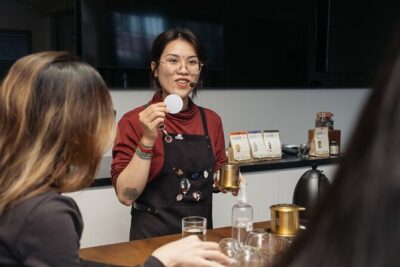
Vietnamese Coffee & Culture Exploration in Hồ Chí Minh City
Read our review →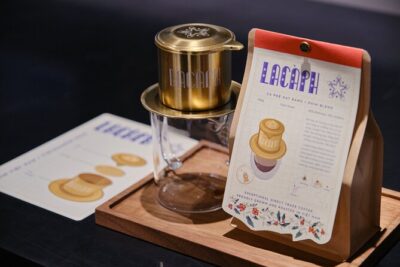
Decadent Vietnamese “Egg Coffee” Workshop in Hồ Chí Minh City
Read our review →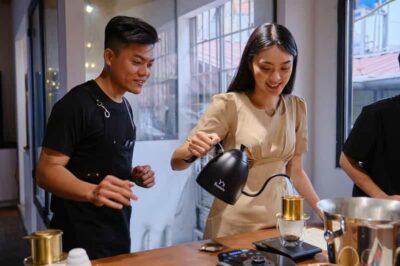
Techniques & Secrets Behind the Famed Vietnamese Egg Coffee
Read our review →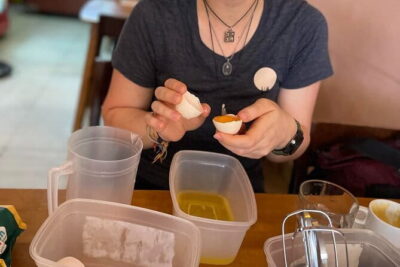
1 hour Egg Coffee Cooking Class with Snack and Local Instructor
Read our review →
Saigon Unseen: Culture, Coffee, Hidden Spots Motorbike Adventure
Read our review →Browse the lists this tour appears in