

REVIEW · KIGALI COFFEE TOURS
Kigali: Traditional Coffee Experience ( Bean to Brew)
Coffee makes a fine introduction to Rwanda. This two-hour Kigali experience follows the bean from local coffee fields to a finished cup, with farming, roasting, and tasting all tied together. You do not just drink coffee here. You see how it is grown, learn how it changes in the roaster, and taste the result with local experts.
I like the hands-on roasting, since you work with both traditional and modern methods rather than watching a demonstration from the sidelines. I also like the final tasting in a Kigali coffee shop, where the blends connect the drink in your cup with the people and places behind it.
The main point to consider is transportation. Private transport is not included, and the experience starts and ends at Umurishyo Arts Gallery on KG 206 St. You should confirm how the group moves between the meeting point, coffee fields, roastery, and café before booking.
Key points at a glance
- Coffee from field to cup: Learn how local farmers cultivate coffee before seeing it roasted and tasting the finished blends.
- Roast your own beans: The practical roasting session is the heart of the experience, with traditional and modern techniques included.
- Local guidance: The guide helps explain both coffee production and the business behind it in clear, useful terms.
- Kigali tasting session: Finish with several blends in a local coffee shop, followed by conversation with coffee specialists.
- Small enough to stay personal: The group limit is 20 people, so the experience should feel more manageable than a large coach tour.
- Flexible cancellation: You can receive a full refund if you cancel at least 24 hours before the start time.
Why this Kigali coffee experience is worth your time

Rwanda is known for producing specialty coffee, but a bag of beans tells you only part of the story. This experience gives you a simple way to understand the work behind the drink, beginning with cultivation and ending with a brewed cup.
I like the order of the program. You first learn where coffee comes from, then see how roasting changes the beans, and only after that taste the finished blends. That sequence makes the final cup more meaningful. You have some idea of the work and decisions behind it.
The program lasts about two hours, which is long enough for a useful introduction without taking over your day in Kigali. You can fit it between other city plans, though the actual timing may feel full if the group needs to move between several locations.
The activity is operated by NuttinTODO and costs $50 per person. That price is not simply paying for a cup of coffee. It covers access to a guided experience with field context, roasting instruction, and a tasting session. For someone who already loves coffee, the practical work may justify the cost. For a casual coffee drinker, the value depends on how much you care about local production and making the experience part of your Kigali visit.
More Specialty Coffee Tours in the world:
- Cartagena: Colombian Specialty Coffee Tasting
★ 4.4 · 130 reviews - Coffee Farm Tour with Roasting & Tasting Workshop – Da Lat
★ 5.0 · 126 reviews - Private Coffee Roasting Class
★ 5.0 · 101 reviews
Starting at Umurishyo Arts Gallery on KG 206 Street

Your listed meeting point is Umurishyo Arts Gallery, KG 206 St, Kigali. The gallery gives the activity a cultural setting rather than a generic hotel lobby, though the information provided does not specify how long you remain there before heading to the coffee fields.
Because private transportation is not included, I would treat the meeting point as an important part of your planning. The activity ends back there, but the details do not say whether transportation between the stops is arranged by the provider or left to you. Ask before the day of the tour. It is a small practical question, but it can affect both your budget and your schedule.
The booking confirmation arrives at the time of booking. The tour also operates with a maximum of 20 participants. That is not an intimate one-on-one lesson, but it is still a reasonable ceiling for a short activity. A smaller group should make it easier to hear the guide and get a turn during the roasting work.
The program depends on suitable weather. If poor weather forces a cancellation, you are offered another date or a full refund. That policy makes sense for an outdoor coffee-field visit, but you should avoid placing an important, nonrefundable connection immediately afterward.
Seeing how Rwanda grows its coffee
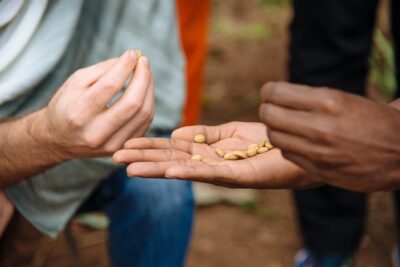
The first major part of the experience takes you into Rwanda’s coffee fields. Local farmers explain how the crop is cultivated and describe the work that goes into producing good beans.
This is where the tour gains value beyond a standard café tasting. You are not only learning about flavor. You are also seeing the connection between farming, community work, and the finished product. The program includes discussion of sustainable practices, which helps you understand that coffee production involves choices about how land and local resources are managed.
The exact farm location and the amount of time spent there are not specified, so I would not book this expecting a long agricultural excursion. Think of it as a guided introduction within a two-hour coffee program. The field visit should give you useful context, then the tour moves on to processing and roasting.
The guide also covers Rwanda’s coffee story. The material available does not set out a detailed historical lecture, so you should expect practical explanation rather than a formal museum-style presentation. That may suit you well if you prefer to learn through direct examples.
I find this part especially useful for people who usually buy coffee without thinking about its source. Once you have seen cultivation discussed by people connected to the process, the drink feels less anonymous. You can ask questions and connect the beans to a specific place and community.
Roasting your own beans with two methods
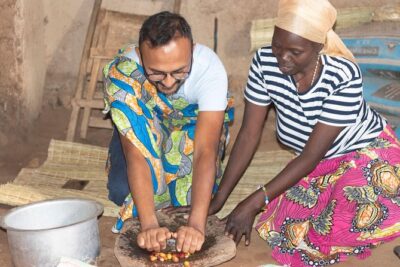
The roasting session is likely the most active part of the program. You take part in both traditional and modern roasting methods, with local specialists explaining what happens during each process.
This is more useful than simply being told that roasting affects flavor. You get to see the change for yourself and take part in the work. A participant who regularly grinds beans and makes special blends at home described gaining a better understanding of coffee and the business behind its production. That is a good sign for serious home coffee drinkers, since the session goes beyond a quick tourist demonstration.
The traditional method gives you a connection to older local practice. The modern method lets you compare that approach with a more current roasting process. The supplied information does not identify the equipment or explain how much roasting each person completes, so I would keep expectations sensible. You may not leave with a full technical qualification, but you should come away with a clearer sense of how roasting changes the bean.
One participant praised the guide for being smart and well informed, especially during the bean-roasting activity. That matters here. Roasting can become confusing if the explanations are rushed or full of jargon. A good guide can show you what to notice without turning a short cultural activity into a classroom lecture.
You should also expect some shared participation. With a possible group of up to 20 people, not every step can move at your own pace. If you want a private roasting lesson, this is not presented as that kind of experience. If you want a social activity where you can try the process and ask questions, the format should work better.
A few more coffee tours around the world worth a look
- Hanoi Coffee Experience: 6 Brews, 9 Recipes & 3 Liquor Tastings
★ 5.0 · 2,945 reviews - Medellin: Coffee Tour with Transport, Snacks and Tastings
★ 4.7 · 1,357 reviews - Istanbul: Turkish Coffee Making and Fortune Telling Workshop
★ 4.9 · 1,308 reviews - Hanoi Coffee Workshop: Taste Salt, Coconut and Egg Coffee
★ 5.0 · 1,286 reviews
Finishing with a Kigali coffee tasting
After the field and roastery portions, the experience ends in a Kigali coffee shop. Here you taste several blends made with attention to the character of Rwanda’s coffee-growing regions.
The tasting is not an afterthought. It completes the route from farm to cup. You have learned about cultivation and roasting, then you get to compare the finished results. The session also includes conversation with local coffee specialists and other coffee enthusiasts, so you can ask about flavor, preparation, and production.
The information provided does not list the number of samples or the brewing styles. You should therefore expect a guided tasting rather than a fixed flight with a published menu. That lack of detail is worth noting if you have allergies, dietary restrictions, or a strong preference for a certain brewing method. Ask the provider ahead of time if those details matter to you.
I like the social side of the café stop. Kigali is not just a backdrop for the activity. You are encouraged to talk with local experts and learn how coffee fits into the city’s culture and economy. The exchange can be as valuable as the tasting itself, especially if you are curious about the business side of coffee.
The final stop also gives you time to decide what you actually like. Some people focus on aroma, others on acidity, body, or aftertaste. You do not need advanced tasting skills. The point is to pay closer attention and connect the drink to the steps you have just seen.
What the $50 price includes

At $50 per person, this is priced higher than an ordinary café visit but lower than a full-day rural excursion. The fee includes all taxes and other listed charges, so you are not expected to pay a separate admission fee for the core activity.
The value comes from the range of elements packed into roughly two hours:
- A visit to coffee fields with local farming context
- Explanations of cultivation and sustainable practices
- Participation in traditional and modern roasting
- A tasting of several coffee blends
- Conversation with local coffee specialists
Private transportation is not included. That is the key extra cost or planning issue. Since the activity starts and finishes at Umurishyo Arts Gallery, you should budget for getting to that point and clarify the arrangements for the middle part of the experience.
I would recommend this most strongly to someone who already enjoys coffee, wants a local activity in Kigali, or prefers learning by doing. If you only want to sample a good cup, $50 may feel high. A café visit will cost less and take less time. If you want to understand how the coffee is grown, roasted, and sold, the price is easier to defend.
The average booking lead time is 16 days. That suggests you should not leave it until the last morning of your Kigali stay, especially if your dates are fixed. The group limit is 20 people, and availability may narrow during busy periods.
Who will enjoy this most
I would choose this experience for:
- Coffee drinkers who grind beans or make blends at home
- People interested in farming and sustainable production
- Visitors seeking a cultural activity beyond Kigali’s standard sightseeing
- Couples and small groups who enjoy practical workshops
- Anyone who wants a short activity that fits into a busy city itinerary
It also works for a first-time coffee learner. You do not need specialist knowledge. The guide’s job is to explain the process clearly and help you take part.
I would think twice if you dislike group activities, need private transportation, or want exact technical details about roasting equipment and tasting samples before booking. The available information does not promise a private format, a named roasting machine, or a specific tasting menu.
Service animals are allowed, and the meeting point is near public transportation. Those details make the activity easier to reach for some visitors, though they do not answer every mobility question about the field and roastery portions. If you have access needs, contact the provider before booking and ask about each stop.
Booking and cancellation advice
You can cancel free of charge up to 24 hours before the local start time and receive a full refund. Changes made within 24 hours are not accepted, and cancellations inside that window are not refunded.
The minimum number of participants also matters. If the provider cancels because too few people book, you receive the choice of another date or activity, or a full refund. Poor weather can lead to the same options.
I would book this early if the experience is important to your Kigali plans, then keep the day before it reasonably flexible. The weather rule is especially relevant because part of the experience takes place in coffee fields.
My verdict on the bean-to-brew experience
I would book this tour if you want more than a coffee break. The strongest parts are the clear farm-to-cup structure, the chance to roast beans yourself, and the final tasting with local coffee specialists. The practical session has received especially strong praise, and it appears to work for both committed home brewers and curious beginners.
The main weakness is incomplete transportation information. Before paying, confirm how you get from Umurishyo Arts Gallery to the fields, roastery, and coffee shop. If that arrangement is clear and suits your plans, $50 is a fair price for a focused Kigali activity that connects local farming, craft, and conversation in one short outing.
FAQ
Where does the experience start?
It starts at Umurishyo Arts Gallery, KG 206 St, Kigali, Rwanda.
Where does the experience end?
The activity ends back at the meeting point at Umurishyo Arts Gallery.
How long does the coffee experience last?
The experience lasts approximately two hours.
Is transportation included?
Private transportation is not included. The provided information does not specify how transport between the meeting point and the other stops is handled, so you should confirm this with the provider.
How many people can join?
The activity has a maximum group size of 20 travelers.
Can I cancel for a full refund?
Yes. You can cancel at least 24 hours before the local start time for a full refund. Cancellations made less than 24 hours before the start time are not refunded.
Is the activity affected by weather?
Yes. The experience requires good weather. If it is canceled because of poor weather, you are offered another date or a full refund.
Just added around the world
- Vietnamese Coffee Making Class in Hoi An★ 5.0 · 4 reviews
- Venice Delights: Coffee & Food Experience Walking Tour★ 5.0 · 2 reviews
- Yerevan: Private Coffee Tour with 2 Café Stops★ 5.0 · 2 reviews
- Vietnamese Coffee 101 Workshop★ 5.0 · 11 reviews
- Ubud: Waterfall, Holy Water Temple,Swing&coffee plantation★ 5.0 · 9 reviews
- Vancouver: Street Art & Craft Coffee Walking Tour w/ Tasting★ 4.8 · 11 reviews
- Vienna: Guided Viennese Coffee-House Tour★ 5.0 · 2 reviews
- Coffee pleasure walking tour★ 5.0 · 12 reviews
Kigali Coffee Tours, compared.



Local Community Tour(Cultural, Coffee,Village walk,Local food)
Read our review →
1-Day Lake Kivu Karongi Boat Cruise & Coffee farming with Lunch
Read our review →Browse the lists this tour appears in