
REVIEW · HO CHI MINH CITY COFFEE TOURS
Ho Chi Minh City: Coconut/Eggs Coffee Making Class
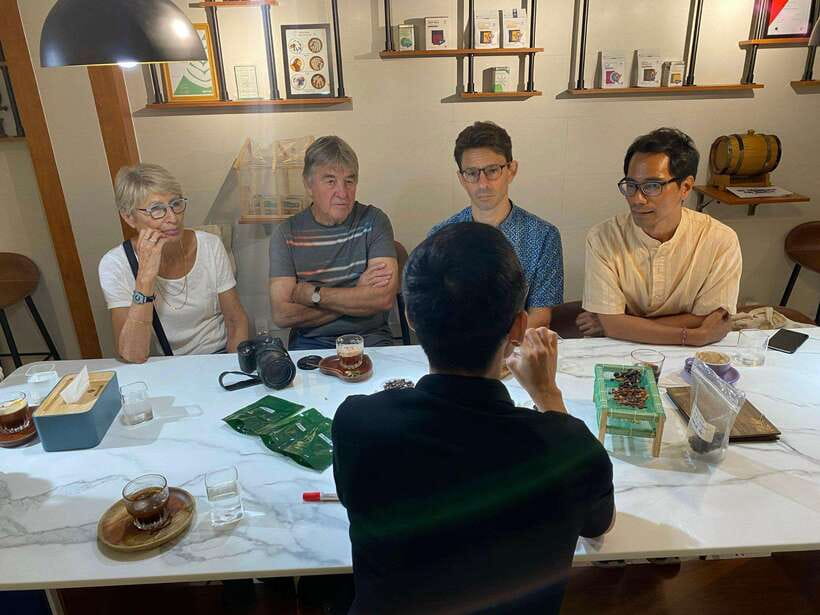
Coffee can tell you a lot about Vietnam. This two-hour class at iO Coffee Phu My Hung goes beyond a quick caffeine stop, showing you how Vietnamese Phin coffee works, why Fine Robusta matters, and how fresh coconut becomes a smooth coffee drink. I like the hands-on format and the small group size, which is limited to 10 people.
I also like that you make the drinks yourself rather than simply watching a barista. The welcome drink, Vietnamese specialty coffee, and coconut coffee are included for $20 per person. The main consideration is location: the class takes place in Phu My Hung, not central District 1, so you will need to allow time to reach the café.
Key points before you book
- You brew your own Phin coffee: Learn the slow, simple filter method used throughout Vietnam, then taste the results.
- Fresh coconut is part of the lesson: You work with ingredients made from 100 percent fresh coconut rather than only receiving a finished drink.
- Fine Robusta gets proper attention: The class explains why Vietnamese specialty coffee is not limited to Arabica.
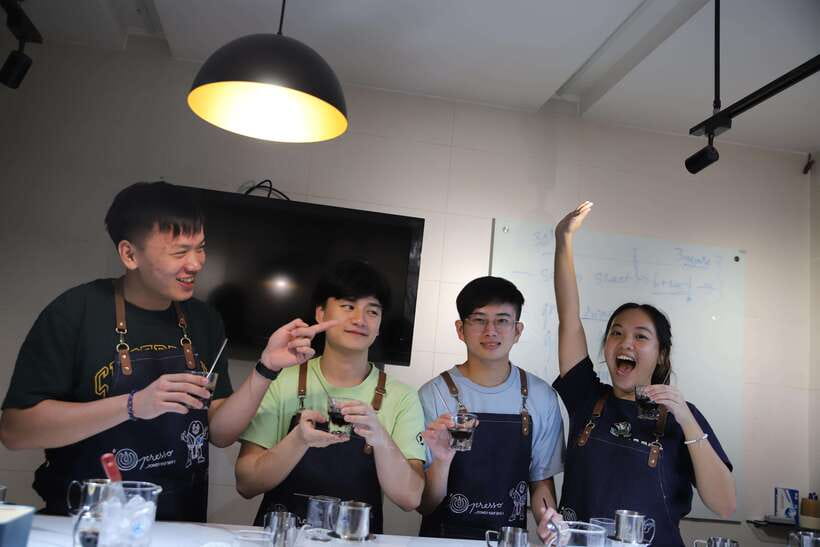
- Your group stays small: With no more than 10 participants, the baristas can offer guidance while you work.
- The format lasts two hours: There is enough time for explanation, preparation, tasting, and conversation without turning the class into a full-day commitment.
- You get more than one drink: A welcome beverage, Phin coffee, and handcrafted coconut coffee are part of the experience.
Why Vietnamese coffee deserves a closer look
Many visitors first meet Vietnamese coffee through a strong glass of coffee with condensed milk. That is only one part of the picture. Vietnam has a long coffee tradition, and this class uses it as a starting point for a closer look at beans, brewing, and modern café culture.
The focus here is Fine Robusta, a useful subject because Robusta is often treated as a lesser bean. The class presents a different view. It explains the value of specialty Robusta and lets you taste Vietnamese coffee in a more careful preparation.
That context matters. You are not just learning how to make a sweet café drink. You are learning why the coffee tastes the way it does and how the brewing method affects the cup. For anyone who already enjoys coffee, this adds substance to the experience.
The class also connects traditional Vietnamese coffee with newer café ideas in Saigon. Coconut coffee is familiar in Vietnam, but the careful use of fresh coconut and specialty beans gives it a more crafted feel.
More Coffee Making Classes in Ho Chi Minh City
- Fun & Easy Vietnamese Coffee Workshop in Hồ Chí Minh City
★ 5.0 · 293 reviews - Ho Chi Minh City: Fun and Easy Coffee Workshop for Beginners
★ 4.9 · 121 reviews - Coffee Workshop in Ho Chi Minh City: Discover the art of coffee
★ 5.0 · 35 reviews
Arriving at iO Coffee Phu My Hung
The meeting point is iO Coffee Phu My Hung, listed as A 205, M7 Midtow. The supplied details do not include transport instructions or an exact travel time from central Ho Chi Minh City, so check the address carefully before setting out.
Phu My Hung is a different setting from the older central districts. That can be a plus if you want to see another side of Ho Chi Minh City, but it is also a practical point to consider. If your schedule is built around sights in District 1, the class will require extra planning.
Once you arrive, the experience begins with a welcome drink chosen from the menu. That gives you an easy start while the baristas explain what will happen. It also makes the first part feel like a café visit, not a formal cooking lesson.
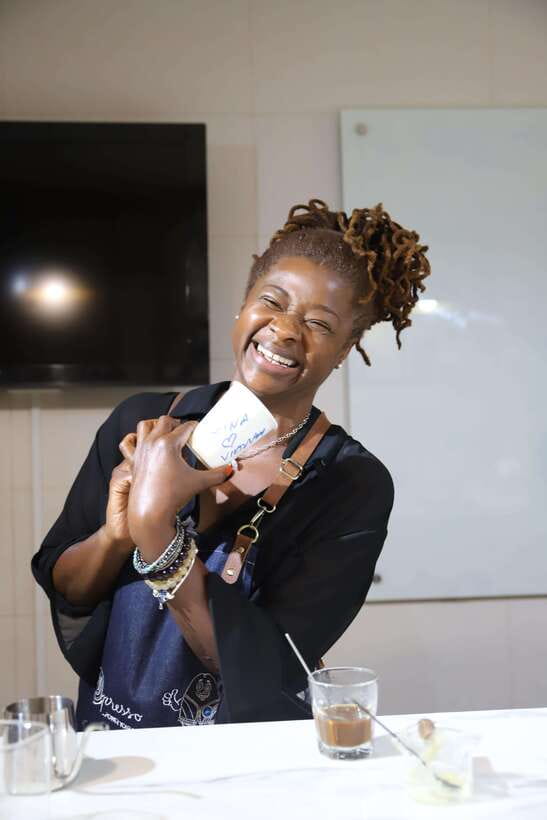
The team has been praised for being friendly, enthusiastic, and eager to share coffee knowledge. That tone matters in a small class. You should expect a relaxed setting where questions are welcome and the pace is guided rather than rushed.
Starting with the Vietnamese Phin filter
The Phin is one of Vietnam’s most recognizable coffee tools. It is a small metal filter that sits directly over your cup. Hot water passes slowly through the coffee, producing a concentrated brew without an electric machine.
You will learn how to prepare a cup yourself, with guidance from the baristas. The process is simple enough to follow, but small choices affect the result. The coffee grind, amount of water, and waiting time all shape the final cup.
This is one of the strongest parts of the class because you leave with a method you can repeat. A Phin is compact, inexpensive, and easy to use at home or on a future trip. You are gaining a practical coffee skill, not just collecting another tasting experience.
The tasting also gives you a reference point for the coconut coffee later. First you get to understand the character of the Vietnamese coffee on its own. Then you can see what happens when coconut is added.
Expect the coffee to be strong. If you usually drink mild coffee, the flavor may feel intense at first. That is part of the lesson, since the class is designed around Vietnamese specialty coffee rather than a watered-down version made for visitors.
Understanding Fine Robusta in the cup
The class explains the history of coffee in Vietnam and the place of specialty coffee within that story. It also introduces the flavor of Vietnamese Fine Robusta beans, which gives the lesson more depth than a standard recipe demonstration.
Robusta is important in Vietnam, so learning about it helps you understand the country’s coffee identity. You will hear about what makes specialty coffee valuable and how genuine Vietnamese filter coffee is prepared.
I like this part because it challenges a common shortcut: assuming the best coffee must come from one famous bean variety. Here, the point is to pay attention to quality, processing, preparation, and taste.
The information is presented by baristas who work directly with the drinks you are making. That should make the explanation easier to follow. You can ask about the coffee while tasting it, rather than trying to connect a lecture with a cup served much later.
For a coffee beginner, this gives useful vocabulary and a clearer starting point. For an experienced coffee drinker, Fine Robusta provides a reason to compare expectations with what is actually in the cup.
More Coffee Making Classes in Vietnam
- HCMc Egg Coffee Class in 1 hour with local intructor & snack
★ 4.2 · 8 reviews - HCM: Egg Coffee Class with local Instructor & Snack
★ 4.7 · 8 reviews - Drip Craft Coffee Workshop-Discover 4 Famous Types of Viet Coffee
★ 5.0 · 2 reviews - Hanoi Coffee Workshop: Taste Salt, Coconut and Egg Coffee
★ 5.0 · 1,286 reviews
Making coconut coffee with fresh ingredients
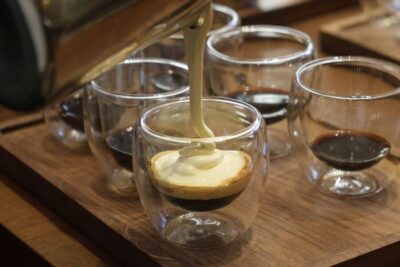
After the Phin coffee, the class turns to coconut coffee. This is not simply a matter of pouring coconut milk into a finished brew. You learn about the benefits of coconut, different coconut processing methods, and the role of fresh ingredients in the drink.
The class uses ingredients made from 100 percent fresh coconut. That detail is important because coconut coffee can vary widely. A drink made with fresh coconut has a different appeal from one built mostly around a packaged syrup or artificial flavor.
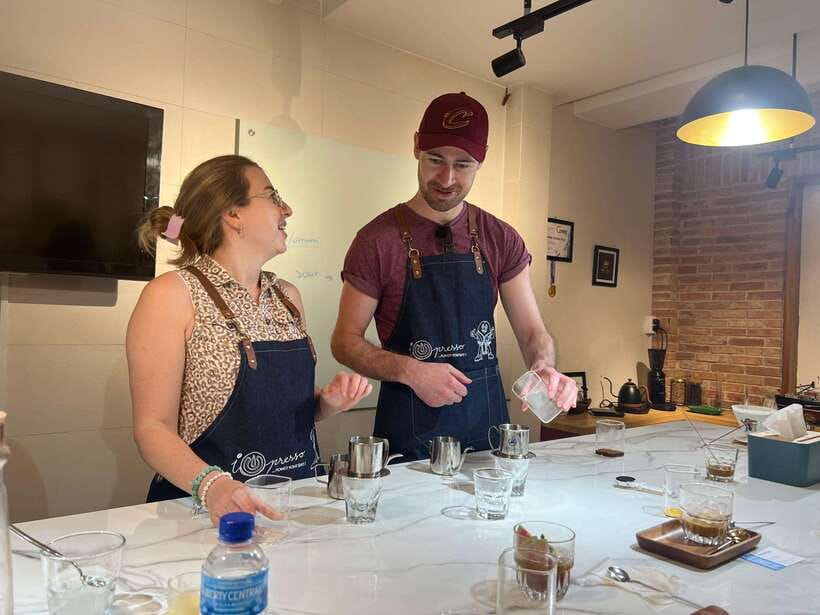
You will prepare the ingredients and follow iO Coffee’s recipe. With a barista guiding you, you handcraft a coconut coffee that is associated with the café. The exact technique and proportions are not supplied in advance, which is a good reason to pay attention during the demonstration and ask questions as you go.
The best part is the comparison. You first brew a cup of Vietnamese coffee, then use that coffee in a coconut-based drink. The process shows how the bitter, concentrated coffee balances the softer tropical flavor.
Coconut coffee is also a practical choice for a class because it is easy to imagine making again. The ingredients are familiar, and the drink feels suited to Vietnam’s warm climate. You get an energizing coffee base with a cool, creamy coconut character.
Still, the experience is not designed for someone who dislikes coconut. The class centers on this combination, so choose it because the drink interests you, not only because you want a general coffee lesson.
A taste of Saigon café culture
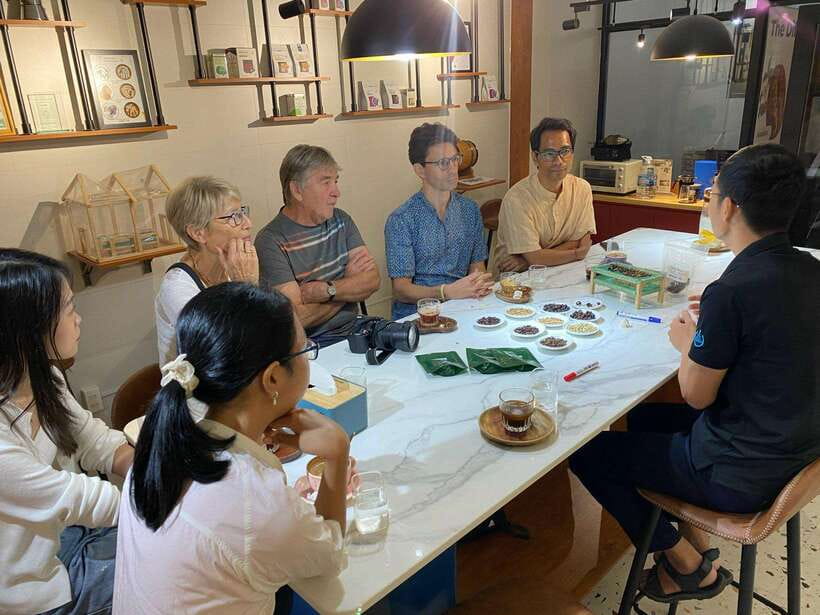
The class places coconut coffee within Saigon’s café culture. Ho Chi Minh City has a strong habit of lingering over coffee, and cafés are used for conversation, work, meetings, and simple breaks in the day.
That social side is part of the appeal here. You are not only following a recipe. You are learning a drink that belongs to local café life, while also seeing how a traditional brewing tool fits into a newer specialty coffee setting.
The atmosphere at iO Coffee has been described as comfortable and relaxing. That makes a difference during a hands-on activity. You can focus on the coffee without feeling as though you are being pushed through a chain of timed stations.
The small group limit of 10 should help keep the class personal. It is large enough for a little conversation but small enough for the instructor to watch what you are doing. If all places are filled, the experience may feel more social and less like private tuition, but the size remains manageable.
English and Vietnamese are offered as the teaching languages. That makes the activity suitable for English-speaking visitors, while also keeping it open to local participants.
What the two-hour schedule feels like
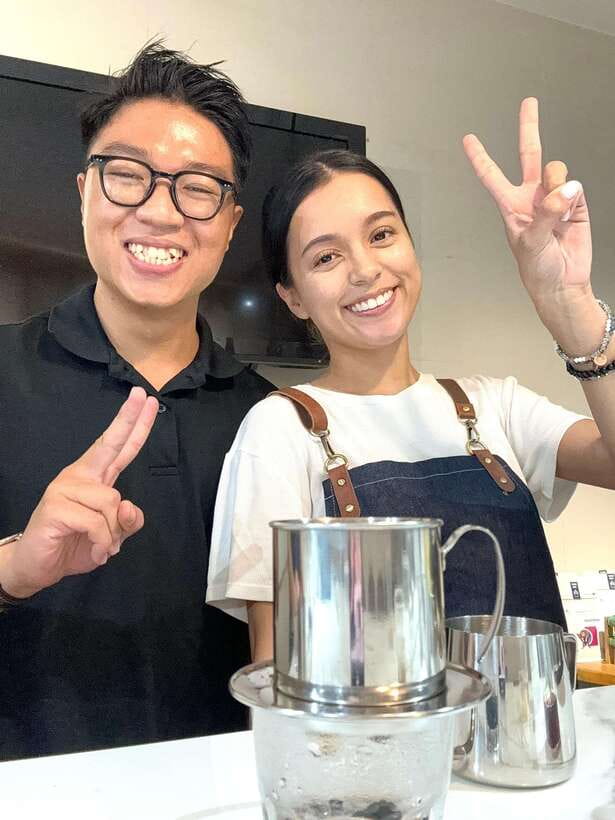
The two-hour duration is well suited to this kind of class. You have time for an introduction, coffee background, brewing practice, ingredient preparation, and tasting without giving up half a day.
A typical flow should look like this:
- You arrive at iO Coffee Phu My Hung and choose a welcome drink from the menu.
- The baristas introduce Vietnamese coffee, its history, and the role of Fine Robusta.
- You learn the Phin method and brew your own Vietnamese specialty coffee.
- The class moves into coconut preparation and explains the processing methods.
- You make a coconut coffee using fresh coconut ingredients and the café’s recipe.
- You taste the finished drinks and can ask further questions about the methods.
The exact order may vary, but the important point is the balance between explanation and practice. You are not spending two hours listening to a talk, and you are not left to guess your way through the recipe.
The class is also short enough to fit around sightseeing. You could use it as a morning activity or as a quieter break from city touring. Since starting times vary, check availability when choosing your date.
Is $20 good value?
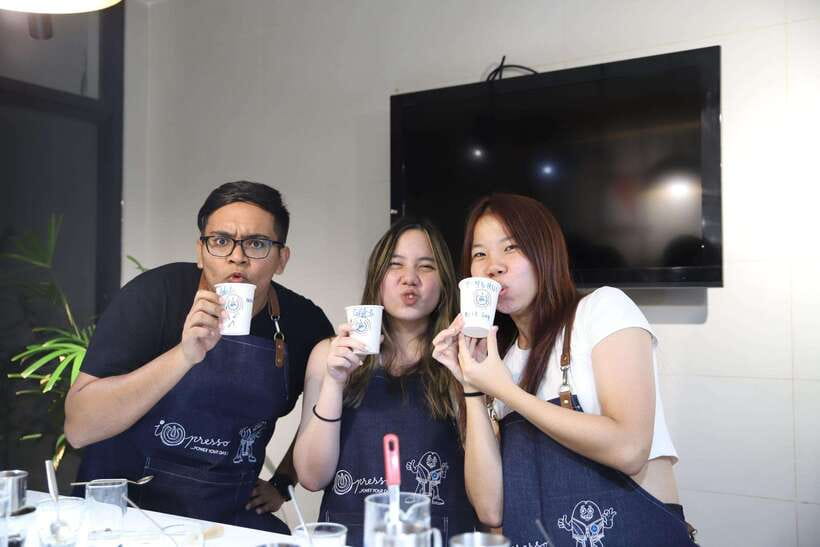
At $20 per person, the class offers fair value if you want more than a single coffee. You receive a welcome drink, Vietnamese specialty coffee, a guided Phin lesson, hands-on coconut coffee preparation, and gifts from iO Coffee.
The value comes mainly from the teaching. A regular café visit would cost less, but it would not give you the background on Fine Robusta or the chance to brew the coffee yourself. You are paying for access to the baristas’ instruction as well as the drinks and ingredients.
The small group limit strengthens the value. A class capped at 10 people has a better chance of giving you useful help than a large demonstration where you only watch from the back.
I would consider it especially worthwhile for coffee drinkers, food-focused visitors, and anyone who likes bringing home a skill from a trip. If you only want to taste coconut coffee, buying one at a café will be cheaper and quicker.
The included gifts add a small extra benefit, though the details of those gifts are not specified. I would treat them as a pleasant bonus rather than the reason to book.
Who should take this class?
This experience suits you best if you enjoy learning how everyday drinks are made. It is a good match for:
- Coffee drinkers curious about Vietnamese Robusta
- First-time visitors who want a local food or drink activity
- Couples and friends who enjoy making something together
- Travelers looking for a two-hour indoor activity
- People who want a coffee method they can repeat at home
- Visitors interested in the connection between traditional and newer Saigon café culture
It may be less suitable if you dislike coconut, prefer a quick tasting, or want a class in central District 1. The trip to Phu My Hung is the main logistical issue, and the coconut theme is not a minor part of the program.
The class also works for different levels of coffee experience. Beginners can follow the step-by-step brewing guidance, while experienced drinkers can focus on Fine Robusta and the comparison between plain Phin coffee and coconut coffee.
Booking, cancellation, and practical planning
You can reserve the class and pay later, which helps if your Ho Chi Minh City schedule is still changing. Free cancellation is available up to 24 hours in advance for a full refund.
The activity lasts two hours, but allow extra time for reaching Phu My Hung. The meeting point is iO Coffee Phu My Hung, A 205, M7 Midtow. Since the available information does not include hotel pickup, transport, or accessibility details, arrange your own route and contact the provider if you need specific assistance.
Teaching is available in English and Vietnamese. The group is limited to 10 participants, and starting times depend on availability.
Should you book the iO Coffee class?
Book it if you want to understand Vietnamese coffee by making it yourself. The strongest features are the hands-on Phin brewing, the focus on Fine Robusta, and the fresh coconut preparation. The friendly barista team and small group format make the lesson feel approachable rather than technical.
The main question is distance and taste. If you are staying in central Ho Chi Minh City, plan for the trip to Phu My Hung. If coconut coffee does not appeal to you, choose another café activity.
For everyone else, $20 is a sensible price for two drinks, instruction, a local café setting, and a method you can use after leaving Vietnam. It gives you a better understanding of what is in the cup, and that is far more useful than simply taking another coffee photo.
FAQ
Where does the coffee class take place?
The class takes place at iO Coffee Phu My Hung, at A 205, M7 Midtow in Ho Chi Minh City.
How long does the experience last?
The class lasts two hours.
How much does the class cost?
The price is $20 per person.
What drinks are included?
You receive a welcome drink from the menu, Vietnamese Phin coffee, and the opportunity to prepare coconut coffee.
Do I get to brew the coffee myself?
Yes. You can brew a cup of Phin coffee yourself and personally prepare coconut coffee with guidance from the baristas.
What type of coffee does the class focus on?
The class focuses on Vietnamese specialty coffee, including Fine Robusta and authentic Vietnamese filter coffee.
Is fresh coconut used?
Yes. The class uses ingredients made from 100 percent fresh coconut and explains different coconut processing methods.
What languages are available?
The instructors teach in English and Vietnamese.
How large is the group?
The class is a small-group experience limited to 10 participants.
Just added around Ho Chi Minh City
- Saigon Special Night Coffee Landmark 81 & Food Tour★ 5.0 · 2 reviews
- Tea & Coffee Experience★ 5.0 · 10 reviews
- Hands-on making 3 Iconic Coffees of South Central North Vietnam★ 5.0 · 14 reviews
- Private Ho Chi Minh City Tour from Port & Vietnamese Egg Coffee★ 5.0 · 6 reviews
- Sai Gon Special Coffee At Landmark 81 & Street Food tour★ 5.0 · 3 reviews
- [Free E-sim] Half day Instagram Cafe Tour in Ho Chi Minh★ 4.5 · 8 reviews
- Drip Craft Coffee Workshop-Discover 4 Famous Types of Viet Coffee★ 5.0 · 2 reviews
- Discover Vietnam’s Coffee Culture.★ 5.0 · 5 reviews
Ho Chi Minh City Coffee Tours, compared.
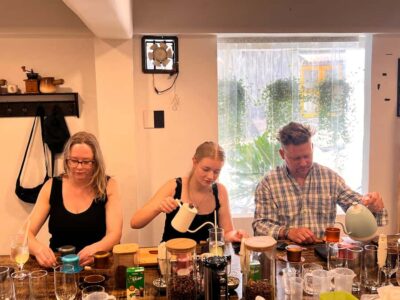
Egg coffee & Course on 4 traditional types of Viet coffee
Read our review →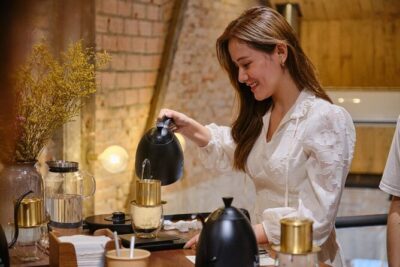
Fun & Easy Vietnamese Coffee Workshop in Hồ Chí Minh City
Read our review →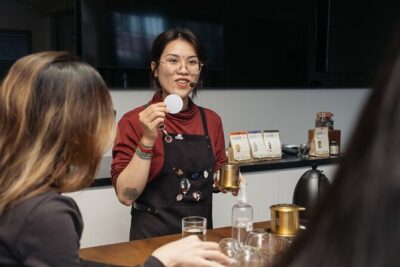
Vietnamese Coffee & Culture Exploration in Hồ Chí Minh City
Read our review →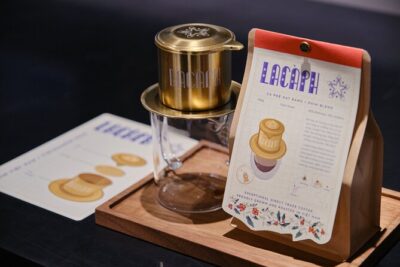
Decadent Vietnamese “Egg Coffee” Workshop in Hồ Chí Minh City
Read our review →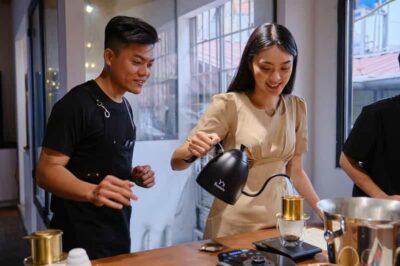
Techniques & Secrets Behind the Famed Vietnamese Egg Coffee
Read our review →
1 hour Egg Coffee Cooking Class with Snack and Local Instructor
Read our review →
Saigon Unseen: Culture, Coffee, Hidden Spots Motorbike Adventure
Read our review →Browse the lists this tour appears in