
REVIEW · HO CHI MINH CITY COFFEE TOURS
Ho Chi Minh City: Vietnamese Specialty Coffee Journey
Vietnamese coffee has more to it than condensed milk. This two-hour session at iO Coffee Phu My Hung takes you from green beans to a finished Phin brew, with practical work at every stage. I like the hands-on processing and roasting, and I like that you get to brew the final cup yourself. The main limitation is simple: this is a coffee workshop, not a visit to a working plantation.
The $20 price is easy to justify if you want more than a café stop. You taste several roast levels, sort beans, learn how defects affect quality, and work with Fine Robusta coffee. The schedule is compact, though, so coffee fans who want a slow, highly technical class may find two hours moves quickly.
Key points to know before booking
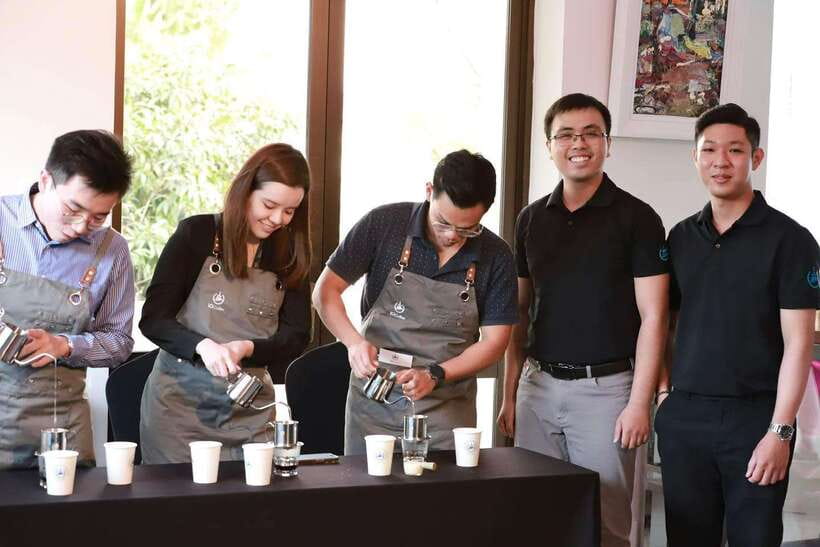
- You handle the beans yourself: Sort green coffee, inspect ripe cherries, and remove defective beans rather than only watching a demonstration.
- Three processing methods are shown: You get a small-scale look at how coffee cherries can be prepared before roasting.
- Three roast levels shape the lesson: Tasting different roasts helps you notice how heat changes a coffee’s flavor.
- The Phin is the final skill: You brew a traditional Vietnamese coffee yourself and take part in the most distinctly local part of the session.
- The meeting point is in Phu My Hung: Find iO Coffee at A 205, M7 Midtown.
- English and Vietnamese are offered: That makes the workshop suitable for international visitors as well as local participants.
Why this coffee class is different from a café visit
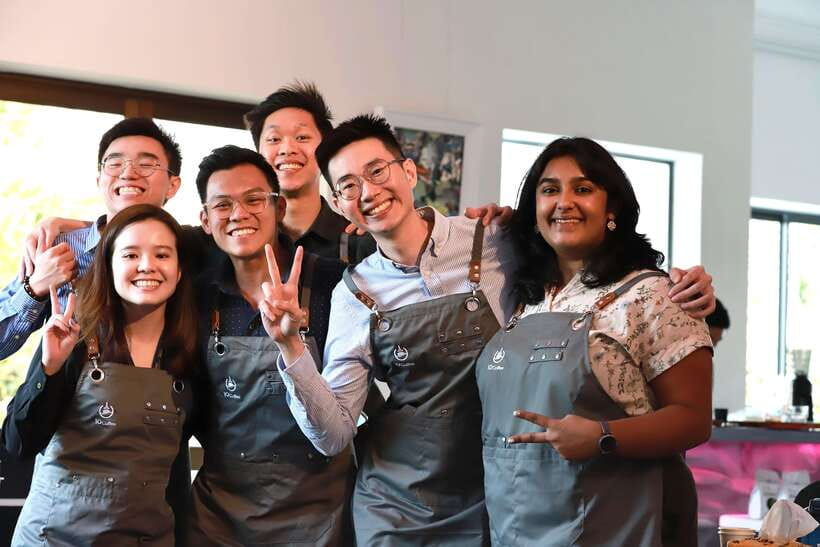
Most coffee stops in Ho Chi Minh City give you a cup and perhaps a story about it. This class asks you to look closely at the full chain behind that cup. You handle green beans, see coffee cherries, roast coffee, taste the results, and then prepare Vietnamese Phin coffee.
That order matters. It helps you connect the final flavor to earlier choices. A defective bean, a processing method, or a darker roast can change what reaches your palate. You are not expected to be a professional roaster. The lesson is built around clear demonstrations and simple tasks that let you see the process with your own hands.
The class follows the SCA Introduction to Coffee program. In practical terms, that means it covers basic coffee production, roasting, tasting, and brewing rather than focusing only on one drink. You should come away with a better sense of why two coffees can taste so different, even when they begin as beans from the same country.
I especially like the way the session gives Vietnamese Fine Robusta a central role. Vietnam is strongly associated with Robusta production, yet many visitors know little about how good Robusta can taste. This class presents it as a coffee worth examining on its own terms, not simply as a cheap base for sweetened iced coffee.
More Specialty Coffee Tours in Vietnam
- Coffee Farm Tour with Roasting & Tasting Workshop – Da Lat
★ 5.0 · 126 reviews - Experience specialty coffee with sustainable coffee farmers
★ 4.9 · 91 reviews - Vietnamese Bread & Brew: Banh Mi Baking Class & Specialty Coffee
★ 5.0 · 76 reviews
Starting with ripe cherries and green beans
The first part covers coffee farming and early processing. You learn about harvesting and bean selection, then examine the structure of a ripe coffee cherry. That physical look at the fruit is useful because many people think of coffee as a dry brown bean, not as a seed inside a fresh fruit.
You also get a small-scale demonstration of three coffee processing methods. The available information does not specify the names or exact equipment used for each method, so it is best to expect a clear comparison rather than a full working farm operation. The point is to see that processing changes the coffee before roasting begins.
The hands-on sorting task is one of the strongest parts of the class. You select green beans and remove defects. This gives you a practical way to understand quality control. You may find that beans that look broadly similar at first are not equally suitable for roasting. Small choices at this stage can affect the final cup.
This section should appeal to anyone who likes to know how food is made. It is also useful for people who buy coffee beans but have never considered what happens before the beans reach a café. You get a short lesson in agricultural work without needing to leave Ho Chi Minh City.
Keep your expectations in check. The activity offers a demonstration of farm and processing ideas, not a trip to a coffee-growing region. If you want rows of coffee plants, outdoor harvesting, or a visit to a rural producer, this is not that kind of outing. Its strength is access to the steps in a controlled coffee workshop.
Roasting three levels side by side
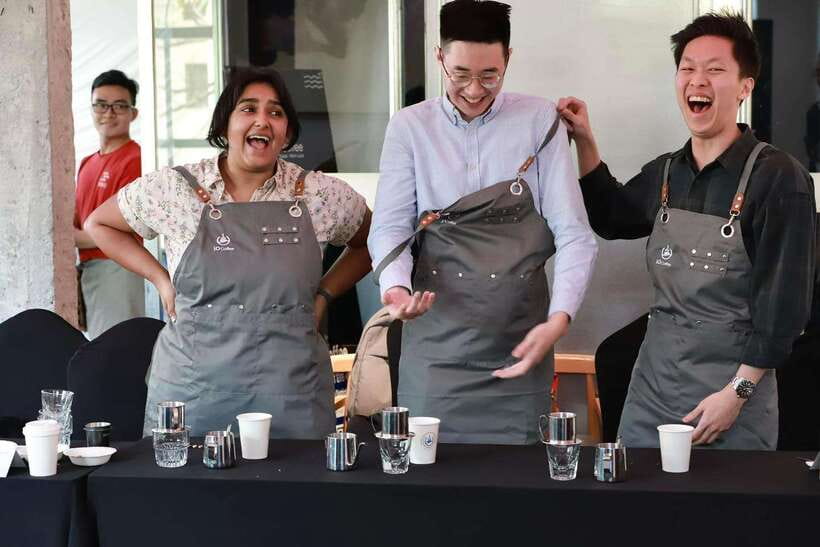
Next comes the roasting section, where the green beans become the coffee you recognize. The class includes hands-on coffee roasting and a look at three roast levels. This is where the lesson becomes especially useful for anyone who has trouble understanding roast labels on a café menu or retail bag.
Roasting is not just about making beans darker. Heat changes the smell, texture, and flavor of coffee. By comparing three levels, you can begin to notice how a lighter roast may show more of the bean’s original character, while a darker roast can bring stronger roasted notes. The precise flavors will depend on the coffee used and the session itself, so the class does not promise a fixed tasting menu.
I like this side-by-side approach because it turns an abstract explanation into something you can taste. Instead of being told that roast level matters, you get a direct comparison. You can also work out which style suits you. That is a useful result to carry into future café visits and coffee purchases.
The roasting task also makes the class feel active. You are not sitting through a lecture about production. You take part in the process and watch how the beans change. Still, anyone hoping to roast a large personal batch should note that the activity is educational. It is designed to teach the basics, not to serve as a full professional roasting course.
The instructor speaks English and Vietnamese. That matters during a technical section like roasting, where terms can otherwise become confusing. Based on the strong feedback from Jesse of the United States, the teaching style is enthusiastic and clear, with an easygoing tone rather than a stiff classroom feel.
Tasting coffee with a purpose
The cupping section puts the earlier work into context. You taste coffees with different roast levels and explore how they differ. This is not simply a chance to drink several beverages. It is a guided exercise in paying attention.
You may be asked to notice aroma, flavor, and the general impression created by each roast. The supplied details do not give a formal tasting score sheet or a fixed list of flavor notes, so you should treat this as an introduction to tasting rather than a certification session.
That distinction is important. Coffee tasting can sound intimidating when it is covered in specialist language. Here, the useful goal is to build confidence. You learn to describe what you notice and to recognize that personal preference is part of the process. One person may prefer a roast with brighter, more delicate character, while another may favor heavier roasted flavors.
The tasting also shows why the earlier sorting and roasting work matters. If you had only received a finished cup, it would be harder to understand how the result came together. After handling the beans and watching the roasting, the cup has a story behind it.
For me, this is the part that can change the way you order coffee. You may leave with a better sense of why a roast is described in a certain way, or why a coffee tastes different from what you expected. It is a small lesson, but it can make future café visits more rewarding.
More Specialty Coffee Tours in Ho Chi Minh City:
- Cartagena: Colombian Specialty Coffee Tasting
★ 4.4 · 130 reviews - Private Coffee Roasting Class
★ 5.0 · 101 reviews - Coffee Experience from bean to cup
★ 5.0 · 71 reviews - Private coffee tour near Medellín, from bean to cup.
★ 5.0 · 60 reviews
Brewing a Vietnamese Phin coffee
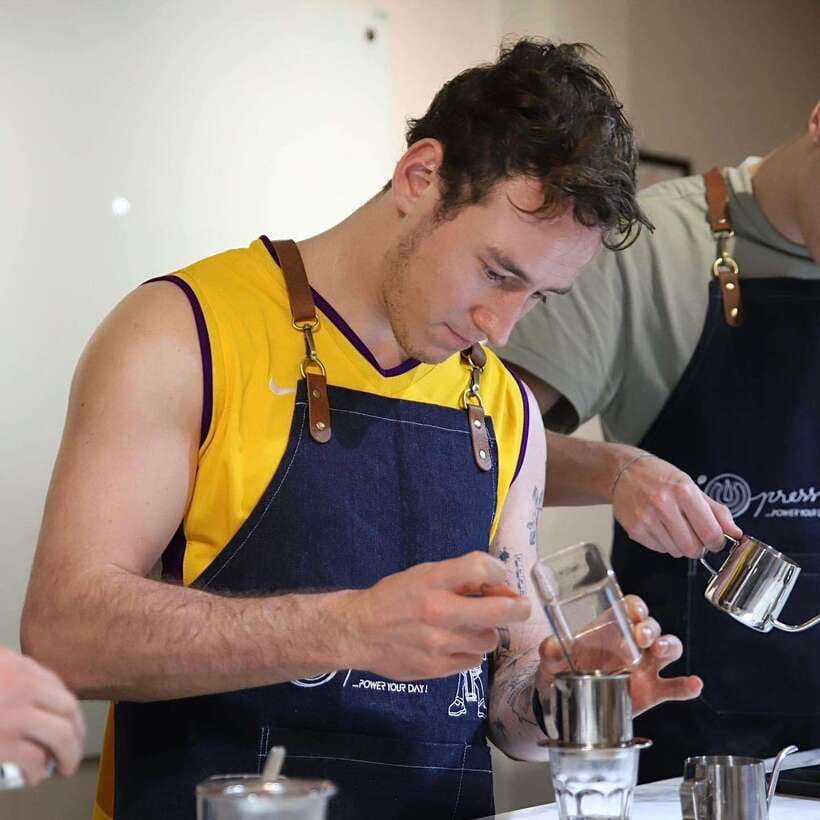
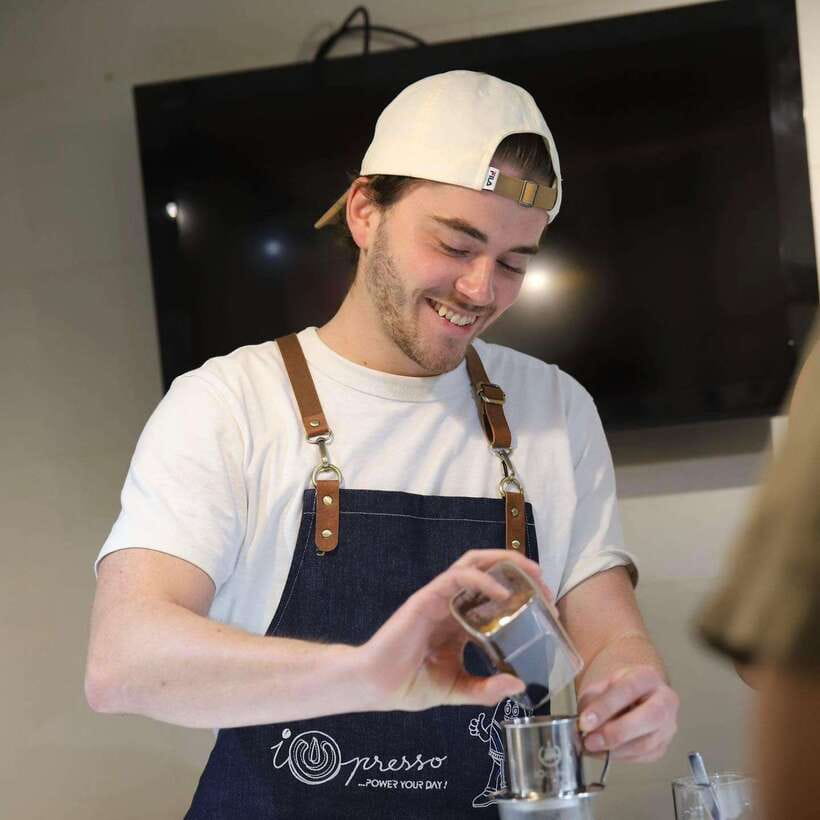
The final stage focuses on the traditional Vietnamese Phin. This compact metal filter sits above the cup and lets coffee drip slowly through. The brewing style is central to the session because it connects technical coffee preparation with everyday Vietnamese coffee culture.
You learn about the background of the Phin, then brew a cup yourself. This is the most important practical takeaway. You are not only shown the equipment. You get the chance to prepare the drink and work through the basic method.
The information provided does not specify whether condensed milk is included in the brewing step, so do not assume that the class centers on the familiar sweet iced version. The stated focus is on the natural flavors of Vietnamese Fine Robusta beans. That suggests the class is meant to help you taste the coffee itself, not cover it with sugar.
You receive two beverages during the experience: a welcome drink and the Vietnamese Phin coffee you prepare. The welcome drink is not specified, so its exact type may vary. The Phin cup is the central drink and the one you will have worked toward through the earlier activities.
This final section makes the class particularly suitable for anyone who has enjoyed Vietnamese coffee but never learned how the filter works. You can take the method home in principle, although no equipment or coffee beans are listed as take-home inclusions. The class gives you the technique and the context, not a guaranteed souvenir kit.
What the two-hour schedule means for you
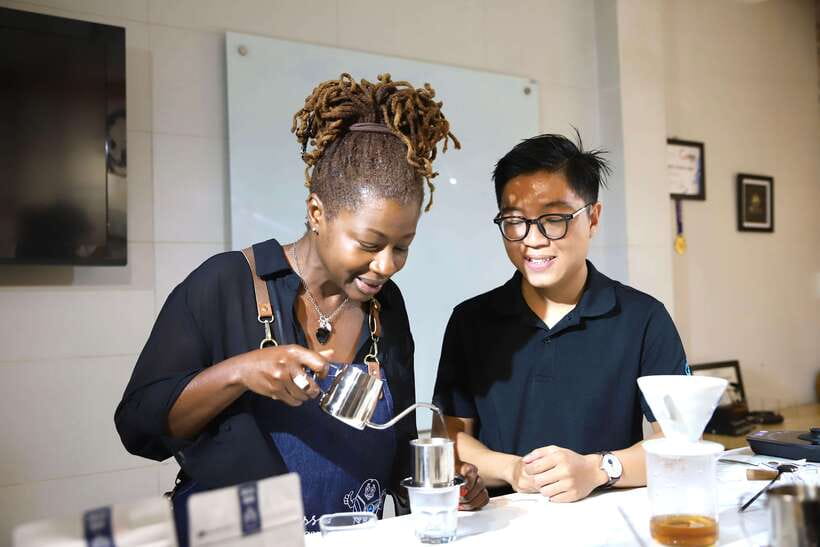
Two hours is a good length for a first coffee class. It is long enough to cover farming, processing, roasting, tasting, and brewing without taking up half your day in Ho Chi Minh City. You can fit it around sightseeing, a meal, or another planned activity.
The trade-off is pace. Each topic receives an introduction rather than a long specialist treatment. The processing section includes three methods, but the class does not claim to provide a full agricultural course. The roasting section covers three levels, but it is not a substitute for professional roaster training. The Phin lesson teaches the method, but it does not promise mastery after one cup.
That is not a serious flaw. It simply tells you what kind of activity this is. I would choose it as a focused cultural workshop, especially if you want a better understanding of a product that is part of daily life in Vietnam. I would not choose it if your main goal is a full-day plantation visit or advanced barista practice.
The pace may also suit people with mixed levels of coffee interest. A serious enthusiast gets useful technical comparisons, while a casual drinker gets a clear introduction without needing prior knowledge. The instructors’ English and Vietnamese language options add flexibility.
Location, cost, and practical planning
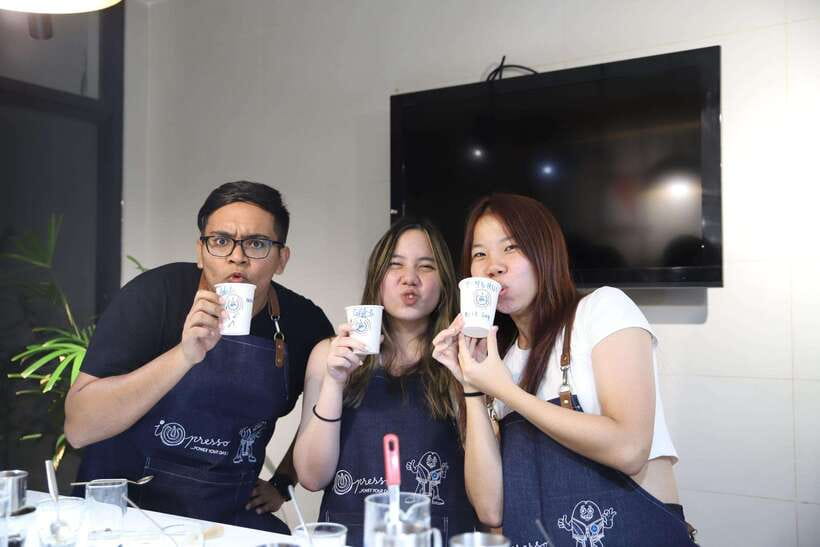
The meeting point is iO Coffee Phu My Hung, A 205, M7 Midtown. Check the address carefully before setting out, especially if you are coming from another part of Ho Chi Minh City. The activity takes place at the coffee venue, so you should plan to arrive with enough time to find the exact meeting point.
At $20 per person, the value is strong. You receive a welcome drink, a Phin coffee, guided instruction, hands-on bean processing, roasting practice, tasting, and brewing. If you paid separately for several café drinks and tried to learn these steps on your own, you might spend a similar amount without getting the same organized guidance.
The price is especially fair for anyone who wants an activity with substance but does not want to commit to a full-day tour. You are paying for access to equipment, instruction, ingredients, and a structured comparison of coffee at several stages.
The value is less clear if you are only looking for a quick coffee. A normal café visit will be cheaper and faster. This class earns its price through participation, so you should book it only if you are willing to sort beans, taste different roasts, and prepare your own drink.
Cancellation is flexible: you can cancel up to 24 hours in advance for a full refund. You can also reserve now and pay later, which helps if you are arranging several Ho Chi Minh City activities before your schedule is fixed.
Who will enjoy this most
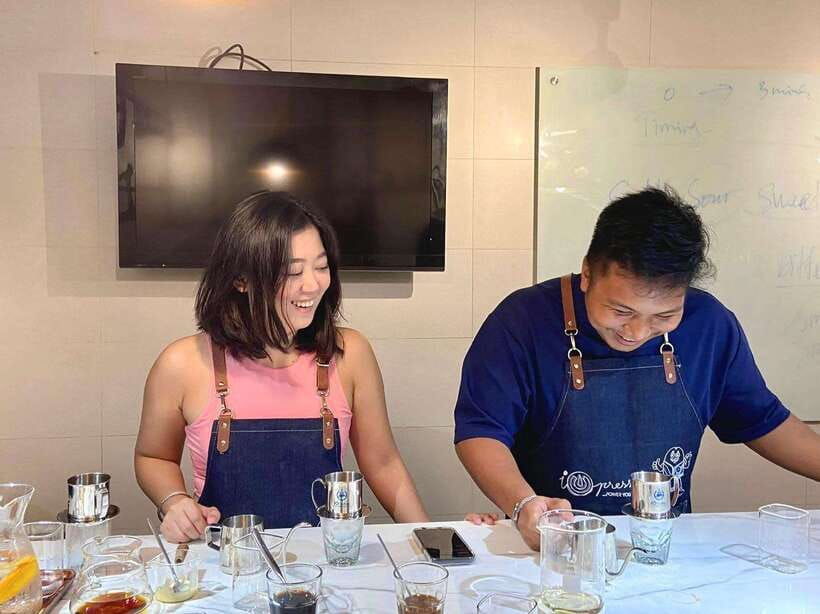
I would recommend the class to coffee drinkers who want to understand Vietnamese coffee beyond the familiar menu. It suits curious first-timers, home brewers, people interested in food production, and anyone who enjoys short practical workshops.
It is also a good choice for visitors who want a local activity that is not just sightseeing. The Phin lesson connects the class to Vietnam, while the processing and roast comparisons give it a wider coffee focus.
Families and groups may appreciate the hands-on format, but the available details do not confirm a minimum age or a special family program. If you are booking with children, check that point directly before paying.
Coffee professionals may find the session too basic if they already understand green-bean defects, roasting theory, and cupping. The SCA Introduction to Coffee level signals an entry point. That is a strength for beginners, but a possible limitation for advanced students.
The class also suits visitors who prefer a compact indoor activity. Since the experience is based at iO Coffee Phu My Hung and includes demonstrations rather than a rural farm visit, you do not need to set aside an entire day for transport.
Should you book this coffee journey?
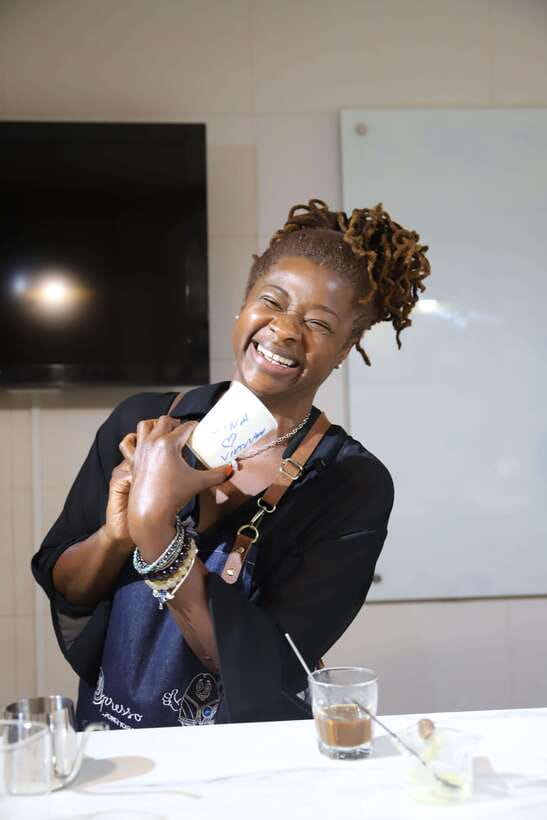
Book it if you want to do more than drink Vietnamese coffee. The strongest reason to go is the complete sequence: inspect the fruit, sort green beans, compare roast levels, taste the results, then brew a Phin cup yourself. That makes the $20 fee feel practical rather than decorative.
Skip it if you want a plantation excursion, a long professional course, or a leisurely café session with no instruction. For most curious coffee drinkers, though, this is a smart two-hour addition to a Ho Chi Minh City stay. You leave with a clearer idea of how coffee is made and a better understanding of why the Vietnamese Phin remains such an important part of the country’s coffee life.
FAQ
How much does the Vietnamese Specialty Coffee Journey cost?
The experience costs $20 per person.
How long does the coffee experience last?
The session lasts two hours.
Where is the meeting point?
Meet at iO Coffee Phu My Hung, A 205, M7 Midtown.
What languages are available?
Instruction is available in English and Vietnamese.
What drinks are included?
You receive a welcome drink and a Vietnamese Phin coffee.
Will I get to brew coffee myself?
Yes. You have the opportunity to brew a cup of traditional Vietnamese Phin coffee during the session.
What coffee activities are included?
The experience includes green-bean processing, coffee roasting, tasting coffees at different roast levels, and Phin brewing.
Can I cancel for a full refund?
Yes. You can cancel up to 24 hours in advance for a full refund.
Just added around Ho Chi Minh City
- Saigon Special Night Coffee Landmark 81 & Food Tour★ 5.0 · 2 reviews
- Tea & Coffee Experience★ 5.0 · 10 reviews
- Hands-on making 3 Iconic Coffees of South Central North Vietnam★ 5.0 · 14 reviews
- Private Ho Chi Minh City Tour from Port & Vietnamese Egg Coffee★ 5.0 · 6 reviews
- Sai Gon Special Coffee At Landmark 81 & Street Food tour★ 5.0 · 3 reviews
- [Free E-sim] Half day Instagram Cafe Tour in Ho Chi Minh★ 4.5 · 8 reviews
- Drip Craft Coffee Workshop-Discover 4 Famous Types of Viet Coffee★ 5.0 · 2 reviews
- Discover Vietnam’s Coffee Culture.★ 5.0 · 5 reviews
Ho Chi Minh City Coffee Tours, compared.
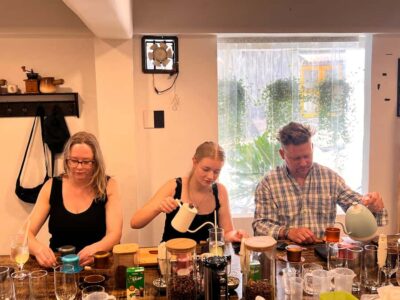
Egg coffee & Course on 4 traditional types of Viet coffee
Read our review →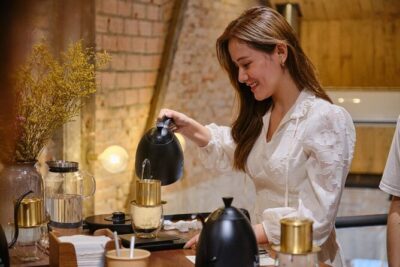
Fun & Easy Vietnamese Coffee Workshop in Hồ Chí Minh City
Read our review →
Vietnamese Coffee & Culture Exploration in Hồ Chí Minh City
Read our review →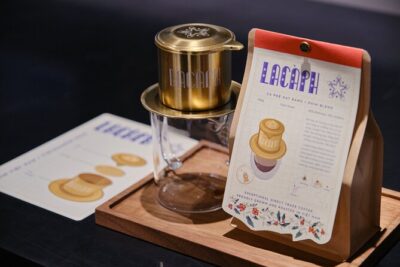
Decadent Vietnamese “Egg Coffee” Workshop in Hồ Chí Minh City
Read our review →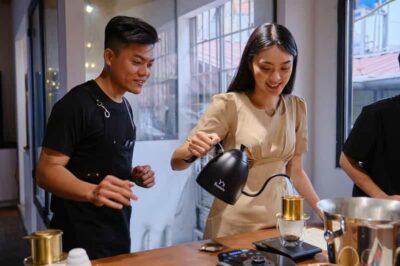
Techniques & Secrets Behind the Famed Vietnamese Egg Coffee
Read our review →
1 hour Egg Coffee Cooking Class with Snack and Local Instructor
Read our review →
Saigon Unseen: Culture, Coffee, Hidden Spots Motorbike Adventure
Read our review →Browse the lists this tour appears in